A teenager between 13 and 18 years old generally requires 8 to 10 hours of sleep every night to support their growth and development.
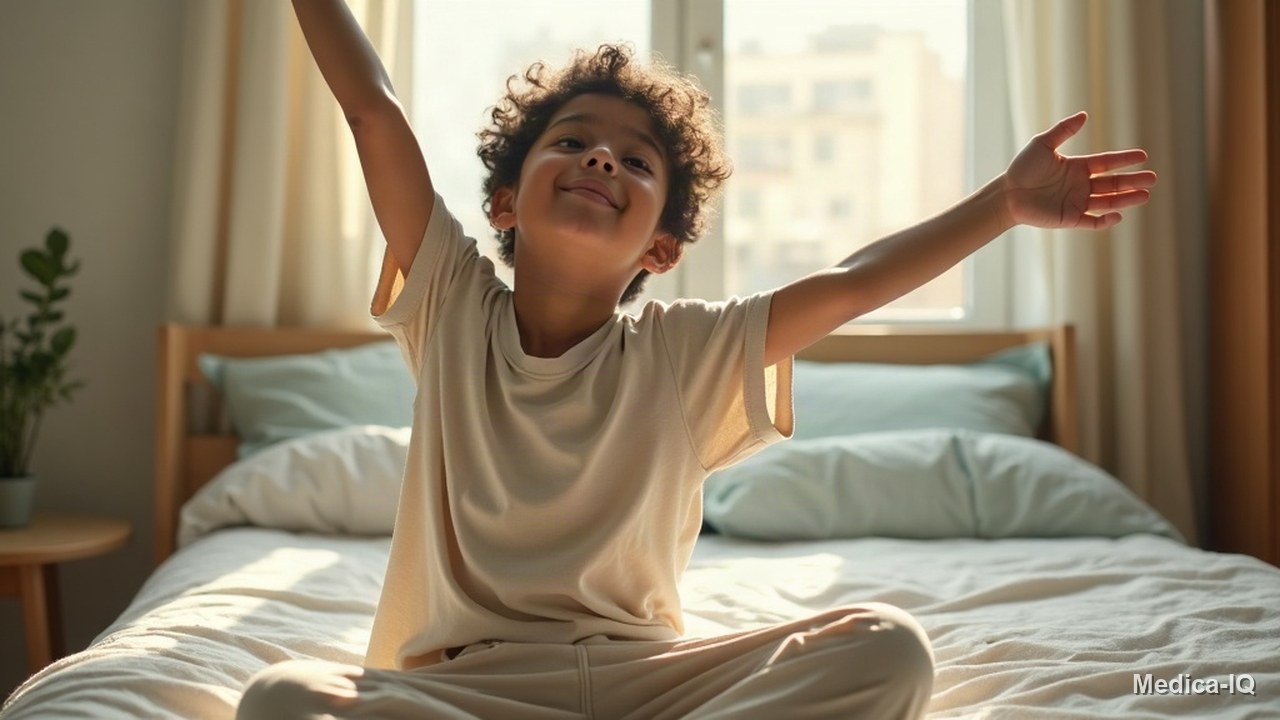
Why Quality Rest Matters for the Teenager
Sufficient sleep is vital for the physical and mental maturation of a teenager. During these hours, the body produces hormones necessary for bone and muscle growth as well as sexual development. Sleep also allows the cardiovascular system to recover and the immune system to defend against illness.
Cognitive functions depend heavily on rest. Proper sleep helps with:
- Improving focus and attention.
- Forming new memories and learning.
- Maintaining quick reaction times and sound judgment.
Lack of sleep can lead to emotional instability, increasing the risk of depression and anxiety. Physically, it may contribute to respiratory infections and weight gain. For those aged 15 to 18, sleep loss is a significant risk factor for drowsy driving, which is the leading cause of death for this age group.
Factors Affecting Sleep for a Teenager Age 13 to 18
Many adolescents struggle to get enough rest; approximately 73% of high school students do not meet the recommended sleep amounts on school nights. Several factors contribute to this:
- Biological Shifts: The brain’s internal clock shifts during adolescence, causing the sleep-inducing hormone melatonin to be released later. This creates a natural preference for staying up later and waking up later.
- Academic Pressure: With average school start times around 8 a.m. and high schoolers spending about seven hours weekly on homework, students often face a time crunch.
- Digital Distractions: About 89% of teens own smartphones. Spending an average of nearly eight hours a day on screens—excluding schoolwork—can delay sleep onset and reduce sleep quality.
- Social Factors: The fear of missing out (FoMO) often leads adolescents to intentionally delay their bedtimes.
- Medical Issues: Around 4% of children have sleep disorders like insomnia, sleep apnea, or sleepwalking. Up to 30% of children may experience insomnia.
Recognizing Signs of Sleep Deprivation
Caregivers can identify when a teen is not resting enough by watching for these warning signs:
- Behavioral Changes: Increased impulsivity, irrationality, or a tendency to engage in risk-taking, such as texting while driving.
- School Issues: A drop in grades or an increase in absences due to sickness.
- Mood Shifts: Higher levels of irritability, low self-esteem, or anxiety.
- Physical Cues: Difficulty waking up in the morning or falling asleep during the day.
How to Help Teens Get More Sleep
Improving sleep hygiene can help a teenager regain necessary rest. Caregivers can support them by:
- Establishing Routines: Creating a consistent sleep schedule and a relaxing wind-down period.
- Optimizing the Environment: Ensuring the bedroom is quiet, dark, and cool.
- Managing Technology: Setting limits on evening screen use to reduce light exposure.
- Balancing Schedules: Reviewing extracurricular commitments to prioritize rest and avoiding excessive sleeping in on weekends.
- Strategic Napping: Allowing short naps to boost alertness, provided they do not occur too close to bedtime.
FAQ
How to help teens get more sleep?
Encourage a consistent bedtime and a relaxing nighttime routine. Limit the use of electronics before bed and help them manage their extracurricular activities to ensure sleep is a priority.
Why aren’t teenagers getting enough sleep?
A combination of biological changes (later melatonin release), early school start times, heavy homework loads, and high screen time contributes to sleep deficits.
What happens if a teen doesn’t get enough sleep?
It can lead to poor academic performance, mood swings, increased risk of obesity, and a higher likelihood of drowsy driving accidents.
When to See a Doctor
Consult a healthcare provider if a teen experiences persistent difficulty sleeping or feels exhausted during the day. Medical attention is also recommended if sleep is being disrupted by pain, medication, or ongoing feelings of sadness and anxiety.
Disclaimer: This content is for informational purposes only and is not a substitute for professional medical advice, diagnosis, or treatment.
Related articles
- New Sleep Mask Benefit: Improved Brain Function
- Sleeping in a Tent: Tips and Gear for Comfort
- Autism and Sleep: Challenges, Causes, and Treatments
- Understanding Narcolepsy Disorder: Symptoms and Causes
- More about Sleep & Sleep Disorders
Illustration: AI-generated
approved by: Medica Health team