Combining melatonin and alcohol can lead to excessive drowsiness and breathing difficulties, as both substances slow down the central nervous system.
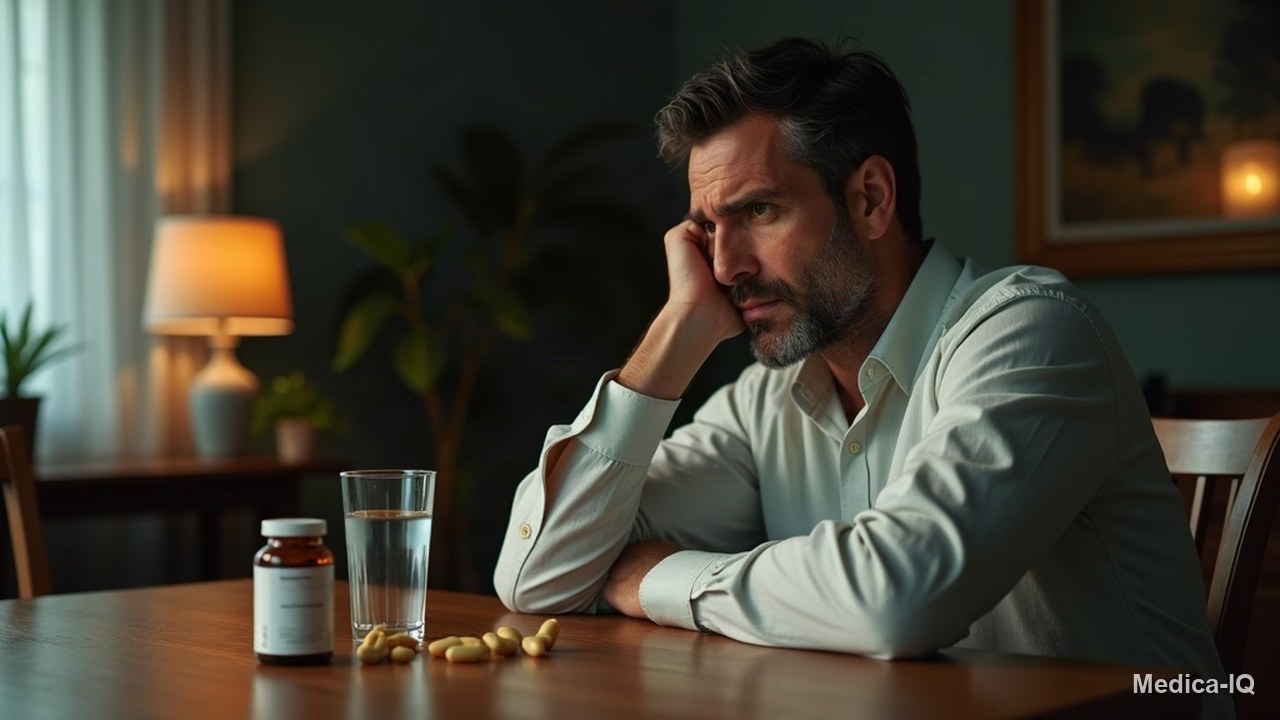
The Risks of Combining Melatonin and Alcohol
Medical experts advise against mixing these two substances. Because both alcohol and melatonin act as depressants on the central nervous system, using them together can create a cumulative effect. This may result in extreme tiredness, a harder time waking up, or impaired breathing while asleep.
In rare instances, some people may be highly sensitive to this combination. One reported case involved a person who experienced a variety of severe reactions after using both in one evening, including:
- Hallucinations and disorientation
- A rapid heartbeat and dizziness
- Sweating and flushed skin
- Shaking in the limbs and general weakness
- Headaches
Impact on Sleep Apnea and Sleep Quality
Alcohol can disrupt the sleep cycle and interfere with the body’s circadian rhythm, often leading to restless sleep or insomnia. It also relaxes the muscles in the throat, which can cause the airway to collapse.
For those with obstructive sleep apnea, alcohol worsens the condition. Mixing melatonin and alcohol may further increase the difficulty of breathing during the night. Additionally, long-term alcohol use can lead to weight gain, which further aggravates sleep apnea symptoms.
Safety and Proper Use of Melatonin
While short-term use is generally considered safe for adults, the long-term safety of these supplements is not well-studied.
Recommended Dosage
Most adults start with a low dose, typically 0.5 to 1 mg, taken 30 to 60 minutes before bed. While some people use up to 5 mg, doses exceeding 5 mg are viewed as high. Experts suggest that 1 mg or less can be just as effective for falling asleep.
Potential Melatonin Side Effects
Common reactions to the supplement include:
- Vivid dreams or nightmares
- Daytime sleepiness and dizziness
- Nausea or stomach pain
- Irritability and low mood
There is also a small risk of liver strain, particularly for individuals with alcohol use disorder.
Other Interactions
You should consult a doctor before you take melatonin if you use:
- Blood thinners or blood pressure medications (such as calcium channel blockers)
- Sedatives or antidepressants (including SSRIs)
- Caffeine
FAQ
What happens if you combine melatonin and alcohol?
Both substances slow the central nervous system, which can cause extreme drowsiness, make it difficult to wake up, and worsen breathing issues during sleep.
How much melatonin should you take?
Many adults find 1 to 3 mg effective, but it is often recommended to start with 0.5 to 1 mg. Doses over 5 mg are considered high.
Is it safe to take melatonin every night?
It is generally safe for adults to use it nightly for short periods. However, long-term use may reduce its effectiveness or impact the body’s natural hormone production.
How long does it take for the supplement to work?
Depending on the form of the supplement, effects can begin within 20 to 40 minutes.
When to See a Doctor
Consult a healthcare provider if you have chronic sleep issues or suspect you have a sleep disorder like sleep apnea. You should also seek medical help if you feel unable to stop drinking alcohol or if your alcohol consumption is negatively affecting your daily life and sleep.
Disclaimer: This content is for informational purposes only and does not constitute medical advice. Always consult a healthcare professional before starting any new supplement.
Related articles
- Best CPAP Alternatives for Sleep Apnea: Your Options
- How Long Can You Go Without Sleep? Effects & Timeline
- How Much Sleep Does a Teenager Need? | Expert Guide
- How Much Melatonin Is Too Much? Dosage and Safety Guide
- More about Sleep & Sleep Disorders
Illustration: AI-generated
approved by: Medica Health team