Improving your daily habits and bedroom environment can help you sleep longer and improve your overall physical and mental health.
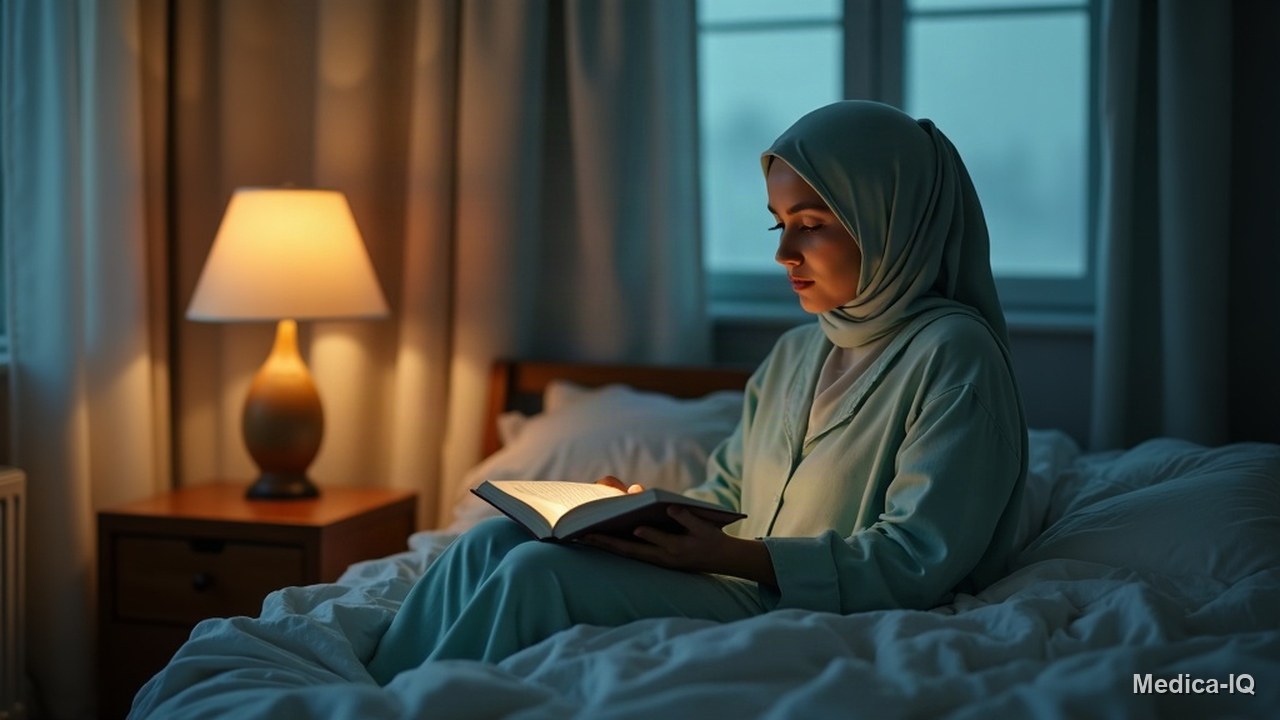
Strategies to Help You Sleep Longer
Establishing a consistent routine is a primary step toward increasing your rest. Going to bed earlier can increase your total hours of sleep, provided you maintain a steady wake-up time every day. To ease the transition, try relaxing activities like listening to music or reading. You can determine your ideal amount of rest by spending one to two weeks letting yourself wake up naturally without an alarm.
Optimize Your Environment
Your surroundings significantly impact your ability to sleep longer at night:
- Control Light: Use blackout curtains or an eye mask to block morning sunlight, which can trigger wakefulness.
- Manage Pets: Consider keeping pets out of the bedroom. Their movements can disrupt your rest, and animal dander may cause respiratory issues for those with allergies.
- Daytime Light: Spend at least 30 minutes in bright light daily, particularly in the morning, to keep your internal circadian rhythms on track.
Daily Habits for Better Rest
What you do during the day affects how you sleep:
- Exercise: Stay active with at least 30 minutes of walking or sports most days. Evidence differs on the best timing; some find that exercising within three hours of bed helps, while others find it makes falling asleep harder.
- Napping: Keep naps to about 20 minutes and avoid sleeping past 3 p.m. to ensure you remain tired enough for bedtime.
- Dietary Choices: Avoid nicotine and caffeine in the early afternoon and evening. While alcohol may help you fall asleep faster, it lowers sleep quality and increases nighttime awakenings.
The Connection Between Sleep and Longevity
Getting quality rest is linked to a longer life. Preliminary research involving U.S. veterans suggests that those who sleep at least seven hours a night—and do not have insomnia—may see an 18% reduction in the risk of death. Poor sleep is associated with an increased risk of several medical conditions, including:
- Type 2 diabetes and obesity
- Heart disease, stroke, and high blood pressure
- Kidney disease
- Anxiety and depression
FAQ
What helps you sleep longer?
Creating a relaxing bedtime routine, maintaining a consistent sleep schedule, and optimizing your room with blackout curtains can help. Avoiding stimulants like caffeine and nicotine near bedtime also supports longer rest.
How can I sleep better at night?
Limit naps to 20 minutes, get at least 30 minutes of bright light during the day, and engage in regular physical activity.
What makes you sleep longer?
A combination of internal factors (a calm mind and body) and external factors (controlling noise, temperature, and light) creates the best conditions for extended sleep.
When to See a Doctor
Consult a healthcare provider if you experience the following:
- You regularly wake up too early.
- You have persistent trouble staying asleep.
- You suspect an underlying sleep disorder or medical condition is causing your sleep loss.
Disclaimer: This information is for educational purposes and does not constitute medical advice. Always consult a healthcare professional for diagnosis and treatment.
Related articles
- How Gamers Actually Sleep: Tips for Better Rest
- Weight Lifting for Better Sleep: Benefits and Tips
- How Much Sleep Does a Teenager Need? | Expert Guide
- How Yoga Helps Relieve Menopause Problems
- More about Sleep & Sleep Disorders
Illustration: AI-generated
approved by: Medica Health team