Spirometry is a painless diagnostic test used to evaluate lung function by measuring the volume and speed of air you breathe.
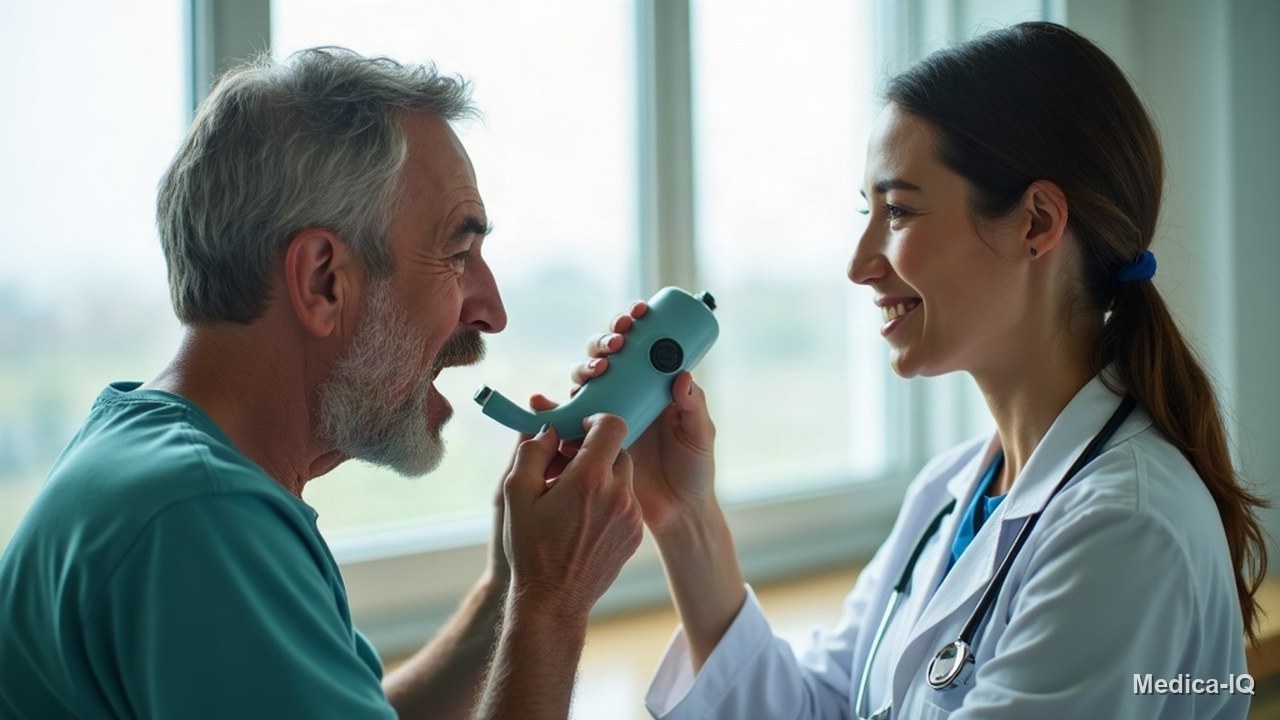
What Is Spirometry?
This common medical procedure helps doctors determine how well your lungs are working. Specifically, it measures three key factors: the amount of air you can inhale, the amount you can exhale, and the speed at which you push air out of your lungs.
Conditions That Spirometry Can Diagnose
Healthcare providers use the results to identify the cause of breathing difficulties. This test can help identify several conditions, including:
- Asthma
- Cystic fibrosis
- Pulmonary fibrosis (lung scarring)
- Chronic obstructive pulmonary disease (COPD)
Preparing for Your Spirometry Test
The procedure typically takes about 15 minutes and is performed in a doctor’s office. To prepare:
- Avoid eating a large meal immediately before the appointment.
- Wear clothing that allows you to move and breathe comfortably.
- Consult your doctor about any medications you should avoid taking on the day of the test.
How the Procedure Works
While sitting in a chair, a clip is placed on your nose to prevent air from escaping through your nostrils. You will take a deep breath and blow as hard and fast as possible into a tube connected to a spirometer. To ensure accuracy, you must seal your lips tightly around the tube.
The test is usually repeated three times. Your doctor will use the highest of these three values to ensure the most accurate reading.
Understanding Your Results
Doctors analyze your results based on your gender, height, and age. They focus on two primary measurements:
- Forced Vital Capacity (FVC): The total amount of air you can move in and out.
- Forced Expiratory Volume (FEV-1): The amount of air you can exhale during the first second.
Generally, normal values for both FEV-1 and FVC range from 80% to 120%.
A low FEV-1 often points to obstructive airway diseases like COPD, where air enters the lungs normally but cannot exit quickly due to narrow airways. Conversely, if the lungs cannot fill with enough air, it may indicate a restrictive lung disease, such as pulmonary fibrosis. If a blockage is suspected, a doctor may administer a bronchodilator and repeat the test to see if the medication improves airflow.
Risks and Safety
The process is painless, though the effort of deep breathing may leave some people feeling lightheaded or tired. You should notify your doctor before the test if you have recently had surgery or have a heart condition.
FAQ
Do I Need Spirometry?
If you experience breathing problems or are at risk for asthma or COPD, this test is a vital first step for a diagnosis. It is also used to monitor if a specific treatment or medication is working effectively.
How to Prepare for the Spirometry Test?
Wear comfortable clothes, avoid heavy meals right before the test, and check with your provider regarding any medication restrictions for that day.
What does the test measure?
It measures the volume of air you can inhale and exhale, as well as the velocity of your exhalation.
When to See a Doctor
Consult a healthcare provider if you experience persistent shortness of breath or difficulty breathing. Seek medical attention if you have a history of heart disease or recent surgical procedures before undergoing this lung function test.
Disclaimer: This content is for informational purposes only and does not constitute medical advice. Always seek the guidance of a qualified healthcare provider with any questions regarding a medical condition.
Related articles
- What is an EMG Test? Procedure and Diagnosis Guide
- Understanding the Glucose Tolerance Test
- Managing Joint Pain and Exercise for Better Mobility
- First Aid Basics: Essential Emergency Response Guide
- More about Tests & Diagnosis
Illustration: AI-generated
approved by: Medica Health team