Orthopnea causes shortness of breath when lying flat, a condition that improves when sitting or standing. This symptom often signals an underlying heart or lung issue.
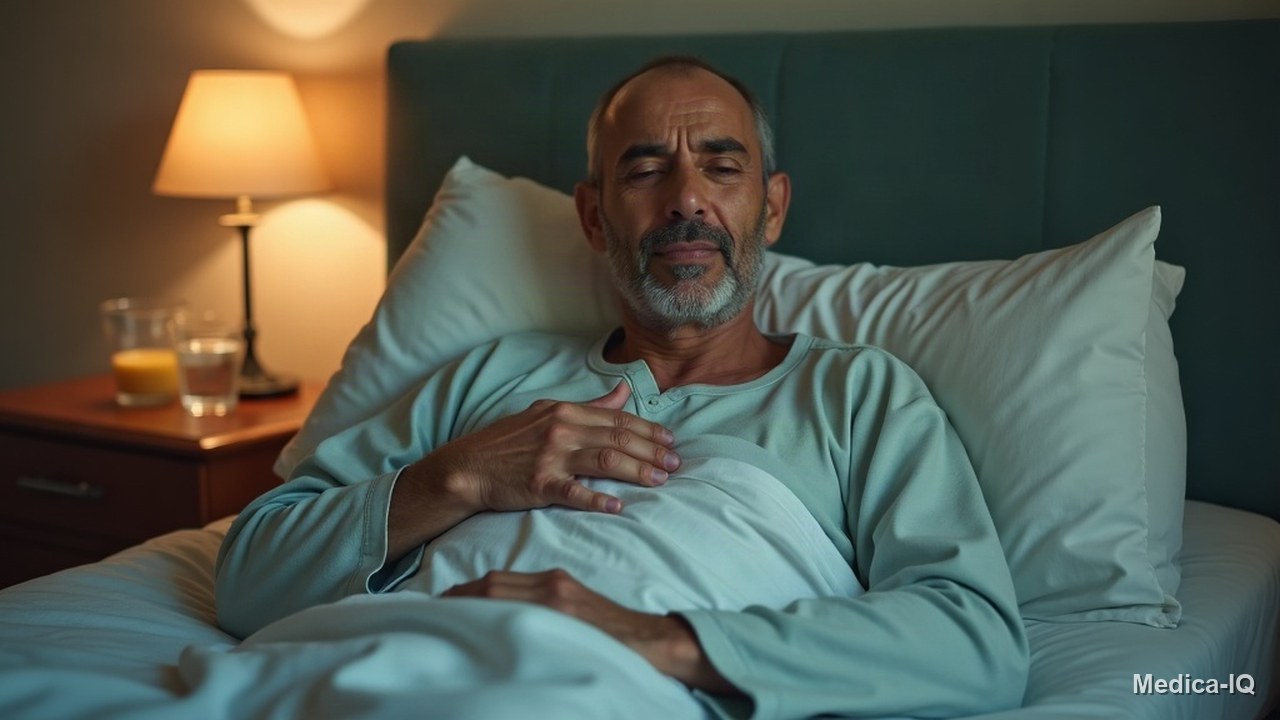
What is the Medical Definition of Orthopnea?
Orthopnea is a specific type of breathing difficulty that occurs when a person lies down in any position, including on their side or stomach. It differs from general dyspnea, where shortness of breath occurs regardless of position. It also differs from platypnea (difficulty breathing while standing) and trepopnea (difficulty breathing when lying on one side).
Paroxysmal nocturnal dyspnea (PND) is another similar condition. While both are relieved by sitting up, PND involves sudden breathlessness that wakes a person from sleep after several hours.
Common Orthopnea Symptoms
Breathlessness may appear suddenly or develop over time. Along with difficulty breathing while lying flat, you may experience:
- Chest pain or tightness
- Coughing or wheezing
- Heart palpitations
- Sudden weight gain
- Swelling in the ankles and feet
- Increased fatigue
Severity varies by person. Some may only need one pillow to breathe comfortably, while others must sit fully upright or stand to find relief.
Understanding Orthopnea Causes
This condition occurs when excess fluid builds up and creates pressure in the lungs. When lying flat, gravity moves blood from the legs toward the chest and abdomen. A healthy heart pumps this extra volume efficiently. However, if the heart is weak, blood backs up, increasing pressure in the lung vessels. This can cause fluid to leak into the air sacs (pulmonary edema), disrupting oxygen exchange.
Common orthopnea causes include:
- Heart Conditions: Left-sided heart failure is a primary cause, as well as cardiomyopathy and high blood pressure.
- Lung Diseases: Chronic obstructive pulmonary disease (COPD), emphysema, pneumonia, and pleural effusion (fluid between the chest wall and lungs).
- Other Factors: Obesity, where a large stomach presses on the lungs; diaphragm paralysis; anxiety or panic disorders; and liver failure causing abdominal swelling (ascites).
- Acute Issues: Pulmonary embolism, toxins, certain drug reactions, or high-altitude pulmonary edema (occurring above 8,000 feet).
Orthopnea Causes Symptoms Diagnosis & Treatment
Diagnosis
Doctors identify the cause by asking about the timing of symptoms and how many pillows are needed for sleep. Diagnostic tests may include:
- Imaging: Chest X-rays to check for fluid and echocardiograms to view heart valve function and blood flow.
- Tests: Blood tests to measure oxygen, carbon dioxide, and B-type natriuretic peptide (BNP) levels.
- Lung Function: Spirometry and other pulmonary function tests to measure air intake and output.
- Sleep Studies: Overnight clinic visits or home devices to analyze breathing patterns.
Treatment Options
Management focuses on treating the primary disease and reducing fluid.
- Positioning: Using wedge pillows, adjustable mattresses, or propping the head and chest up. In severe cases, the “tripod position” (leaning forward with arms on knees) may be used.
- Medications: Diuretics to remove excess fluid. For heart failure, doctors may use beta blockers or ACE inhibitors. For COPD, inhaled steroids or bronchodilators may be prescribed.
- Therapies: Supplemental oxygen via home devices or hospital equipment.
- Lifestyle Changes: Weight loss, smoking cessation, limiting alcohol, and managing blood sugar and blood pressure.
FAQ
Is orthopnea a symptom of heart failure?
Yes. It is frequently linked to left-sided heart failure, where the heart cannot pump blood effectively, leading to fluid buildup in the lungs.
What is the difference between sleep apnea and orthopnea?
Sleep apnea involves pauses in breathing due to airway obstruction or brain signals. Orthopnea is the feeling of being unable to take a full breath specifically while lying down.
How do people with orthopnea sleep?
Many find relief by sleeping propped up on pillows or using an adjustable bed to keep the head and chest elevated.
When to See a Doctor
Consult a healthcare provider if you notice any new difficulty breathing in any position. Seek immediate emergency care or call your local emergency number if you experience severe shortness of breath, especially if accompanied by chest pain.
Disclaimer: This article is for informational purposes only and does not constitute medical advice. Always seek the advice of your physician or other qualified health provider with any questions you may have regarding a medical condition.
Related articles
- Understanding Sleep Paralysis: Causes and Treatment
- Valerian Root for Sleep: Benefits, Dosage, and Side Effects
- Sleeping Early and Heart Health: Lower Your Blood Pressure
- Why Am I So Tired All the Time? Causes and Solutions
- More about Sleep & Sleep Disorders
Illustration: AI-generated
approved by: Medica Health team