A sleep paralysis demon is a vivid hallucination that occurs when a person cannot move while waking up or falling asleep.
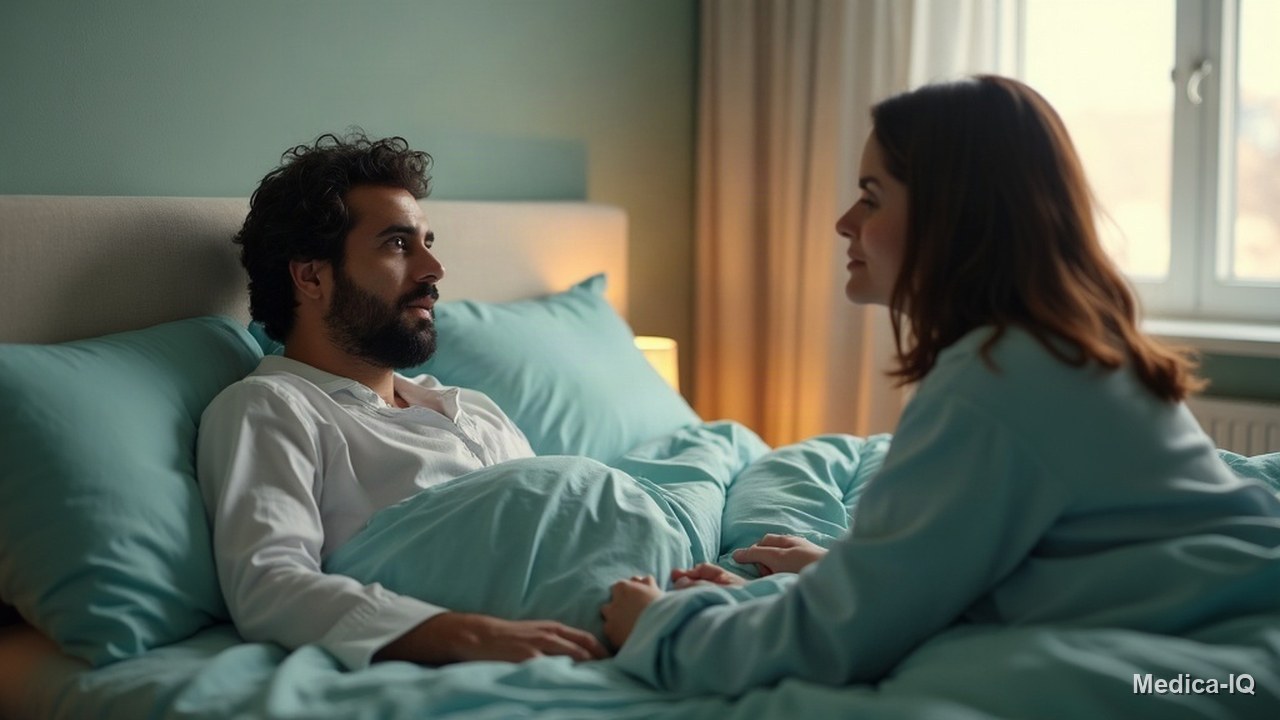
Understanding the Sleep Paralysis Demon
Sleep paralysis occurs when the transition between wakefulness and sleep blurs. During REM sleep, the brain remains active, but the body enters muscle atonia—a temporary paralysis that prevents people from acting out their dreams. If this state persists for a few seconds or minutes after waking or before drifting off, you may be conscious but unable to move.
When this state pairs with hallucinations, people may experience a sleep paralysis demon. These are not real entities; they are the brain’s attempt to interpret being awake while still partially in a dream state. About 20% of people experience sleep paralysis occasionally, and roughly 75% of those episodes involve hallucinations.
Common Sleep Paralysis Demon Types
Hallucinations range from simple images to complex sensory experiences. Common types include:
- The Intruder: A menacing presence or shadowy figure that may stand in a corner or slowly approach the bed.
- The Incubus: A feeling of dread accompanied by a heavy weight on the chest, making breathing feel difficult.
- The Shadow Person: Faceless, dark silhouettes that watch the sleeper.
- The Old Hag or Witch: A specific figure, often a crone, that stands nearby or sits on the chest.
- Doppelgängers: Less frequent reports of seeing a version of oneself or floating figures.
What Causes These Hallucinations?
While the exact cause is unknown, several biological factors may contribute:
- Serotonin: This hormone helps suppress REM sleep as you wake. If it is released while you are still in REM, it may trigger fear circuits and hallucinations.
- Respiratory Changes: Breathing becomes shallower during REM. Awareness of this change can create a sensation of suffocation or chest pressure.
- Brain Disruptions: Errors in the brain’s body-image processing may create the appearance of human-like figures.
- Panic Cycles: The fear of being unable to move can trigger a fight-or-flight response, which may make the hallucinations more frightening.
Differences Between Dreams and Hallucinations
Unlike typical dreams, these episodes have distinct characteristics:
- Setting: They occur in the person’s actual bedroom rather than a fictional location.
- Awareness: The person knows they are awake, whereas dreamers usually do not.
- Emotion: Up to 90% of these hallucinations involve fear, compared to only 30% of dreams.
- Memory: These experiences are often remembered more vividly than dreams.
How to Manage and Prevent Episodes
If you are currently in an episode, try to break the state by:
- Moving your eyes, mouth, or limbs.
- Focusing on mental relaxation or reciting a prayer.
- Being woken up by an alarm or another person.
To reduce the risk of future occurrences, consider these steps:
- Adjust Sleep Position: Try sleeping on your stomach or side instead of your back.
- Improve Sleep Hygiene: Keep a steady sleep schedule and avoid alcohol or caffeine before bed.
- Manage Stress: Use relaxation techniques or speak with a mental health professional about anxiety.
- Education: Learning that these episodes are harmless can reduce the fear associated with them.
- Therapy: Cognitive-behavioral therapy can help you manage anxious thoughts and develop strategies to interrupt episodes.
FAQ
What do sleep paralysis demons look like?
They often appear as shadowy, faceless figures, menacing intruders, or specific characters like an old hag or witch.
How long does sleep paralysis last?
Episodes typically last from a few seconds to several minutes, though they may feel longer to the person experiencing them.
Is sleep paralysis dangerous?
No, it is not dangerous and does not cause physical harm, although it can be very unsettling.
When to See a Doctor
Consult a healthcare provider if you experience frequent episodes that lead to significant anxiety or if you have trouble sleeping due to the fear of another episode. A doctor can help determine if there is an underlying medical condition or provide a referral for cognitive-behavioral therapy.
Disclaimer: This content is for informational purposes only and is not a substitute for professional medical advice, diagnosis, or treatment
Related articles
- How Urine Salts and Salt Intake Affect Your Sleep
- Understanding the Daylight Saving Time Bill & Your Health
- What is a Light Sleeper? Meaning, Causes, and Tips
- Orthopnea Causes, Symptoms, and Treatment Options
- More about Sleep & Sleep Disorders
Illustration: AI-generated
approved by: Medica Health team