Middle East respiratory syndrome (MERS) is a severe lung infection caused by a specific coronavirus. This illness first appeared in Saudi Arabia in 2012.
What causes Middle East Respiratory Syndrome (MERS)?
The MERS-CoV virus resides in the respiratory tract. While it may have originated in bats, experts believe it spread to camels before infecting humans. People can contract the virus through:
- Direct contact with camels.
- Consuming raw camel milk or meat.
- Inhaling droplets when an infected person coughs.
Middle East respiratory syndrome symptoms and risks
Symptoms typically appear between 2 and 14 days after exposure. Some people experience no symptoms or mild cold-like effects. Others develop severe respiratory issues, including:
- Fever
- Cough
- Shortness of breath
Non-respiratory symptoms can include vomiting, nausea, and diarrhea.
Who is most vulnerable?
Most cases are linked to the Arabian Peninsula, specifically countries like Saudi Arabia, Syria, Iraq, Israel, and Iran. You face a higher risk if you are a healthcare worker who did not follow infection controls, have been near an infected person, or have interacted with camels.
People with weakened immune systems or chronic conditions are more likely to suffer severe infections. These conditions include:
- Diabetes
- Cancer
- Chronic kidney, heart, or lung disease
Complications and Diagnosis
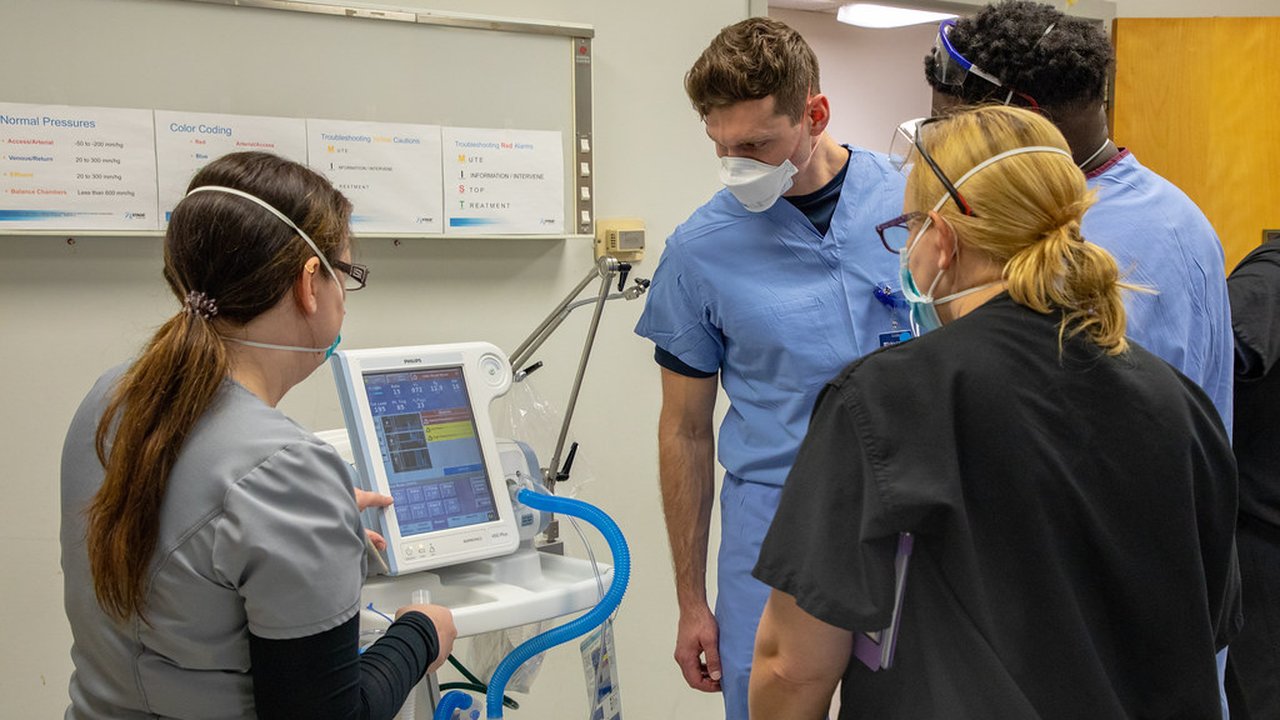
This infection can lead to kidney failure, respiratory failure, or pneumonia. In critical cases, patients may require a mechanical ventilator to breathe.
To diagnose the illness, doctors review travel history and contact with camels or sick individuals. They may use several lab tests:
- Upper respiratory samples: Swabs from the throat or nose.
- Lower respiratory samples: Sputum collected in a container or fluid gathered via a tube inserted into the lungs.
- Serum samples: Blood samples processed in a centrifuge to isolate the serum.
Because not all labs can perform these tests, samples may be sent to your local health service.
Treatment and Prevention
There is currently no vaccine or approved medication to cure the virus. Doctors focus on managing symptoms. Mild cases can be treated at home with fever and pain medications. Severe cases require hospitalization for supplemental oxygen, IV fluids, or mechanical ventilation.
To prevent the spread of Respiratory Syndrome MERS:
- Wash hands frequently and clean surfaces.
- Avoid touching your nose, mouth, or eyes.
- Avoid contact with sick people or camels.
- Avoid raw camel products.
- Cover coughs and sneezes with tissues.
FAQ
How common is MERS?
As of May 2024, the WHO recorded 2,613 cases across 27 countries, with 80% occurring in Saudi Arabia. Only two cases have been reported, both in healthcare workers who traveled to Saudi Arabia.
What is the mortality rate?
Evidence differs on the exact death rate. Some researchers believe 3 or 4 out of 10 people die, but this may be inaccurate because many mild cases go undiagnosed.
What is middle east respiratory syndrome (MERS)?
It is a severe respiratory disease caused by the MERS-CoV coronavirus. While it shares symptoms with COVID-19, it is not as contagious and has not shown community-wide spread.
When to see a doctor
Contact a healthcare provider immediately if you develop a fever, cough, or shortness of breath after traveling to the Arabian Peninsula or being in contact with camels.
Warning signs that require urgent care include:
- Severe difficulty breathing.
- Rapidly worsening respiratory distress.
- Signs of organ failure.
Disclaimer: This article is for informational purposes only and does not constitute medical advice. Always seek the guidance of a qualified healthcare provider with any questions regarding a medical condition.
Related articles
- Understanding COPD Symptoms and Treatment Options
- Understanding Acute Sinusitis Symptoms and Treatment
- Middle East Respiratory Syndrome and Lung Disease
- Influenza Symptoms and Lung Health Guide
- More about Lung Disease
Photo: NavyMedicine, PDM 1.0, via flickr.com
approved by: Medica Health team