A low body temperature occurs when a person’s heat drops below 35°C (95°F), a serious medical condition that requires immediate intervention.
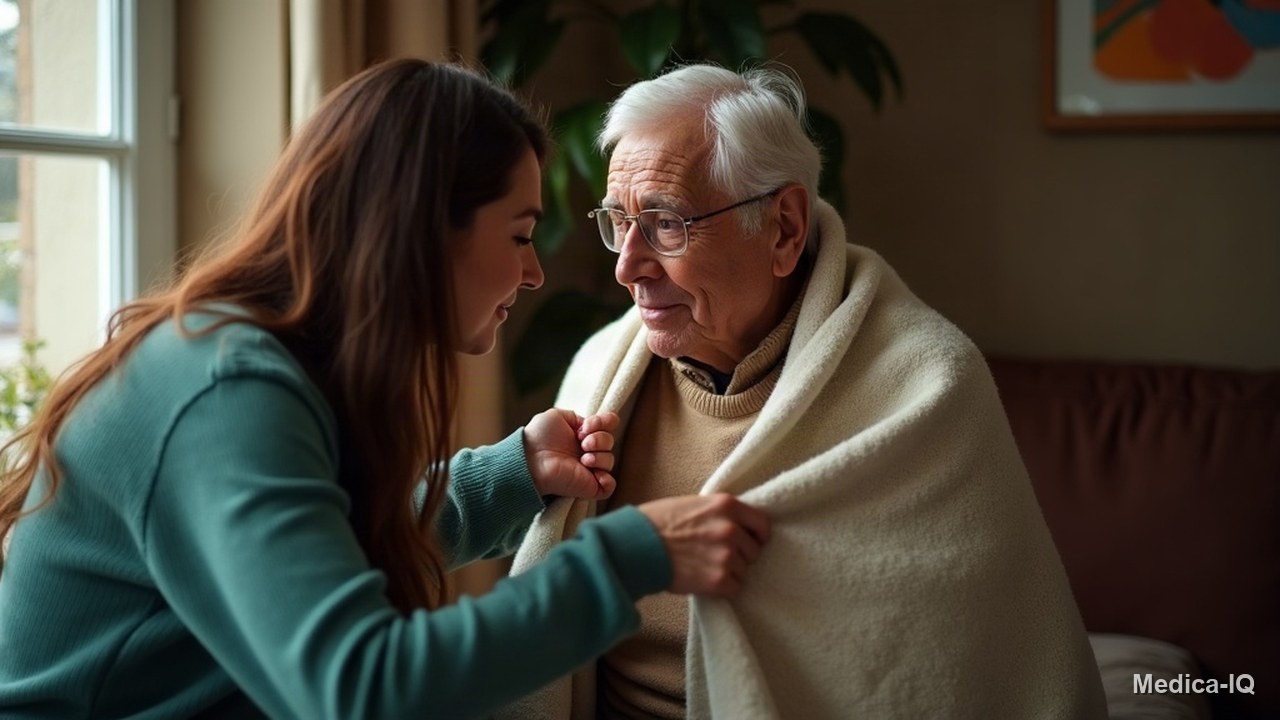
Causes and Risk Factors for Low Body Temperature
This condition happens when the body loses heat faster than it can produce it. Key environmental triggers include:
- Exposure to extreme cold or staying in chilly environments for long periods.
- Falling into very cold water or wearing wet clothing.
- Living in homes that lack adequate heating.
- Severe hunger and thirst, as the body needs nutrition to generate energy and heat.
As for the people at risk of hypothermia, they include:
- Older adults: Due to a decline in the efficiency of body temperature regulation and a reduced sensation of cold.
- Children: Because they lose heat more rapidly than adults.
- Those with certain medical conditions: Such as diabetes, hypothyroidism, Parkinson’s disease, and malnutrition.
- Individuals with mental health challenges: Such as those with dementia who may not realize the need to wear warm clothes.
- Users of certain medications: Including sedatives, antidepressants, and painkillers, as well as those using alcohol or drugs.
- Exhausted individuals: The body’s ability to resist cold decreases when feeling tired and worn out.
Symptoms in Children and Adults
Signs usually begin with shivering and chills as a defensive response from the body, then progress to include:
- Physical changes: Pale skin, or skin appearing bright red and cold (especially in infants), and a slow, weak pulse.
- Mental disturbances: Confusion, disorientation, memory loss, and dizziness.
- Motor and speech difficulties: Heavy breathing, stumbling, loss of control over the hands, and incoherent speech.
- Advanced stages: Extreme drowsiness, loss of energy, and eventually loss of consciousness.
Prevention and Treatment
This condition can be avoided by wearing warm, layered clothing (not too tight to ensure blood flow), covering the head, hands, and feet, and ensuring good nutrition and home heating.
When providing first aid to an affected person, follow these steps:
- Move the person to a warm, dry place and replace wet clothes with dry ones.
- Warm the body slowly using blankets or skin-to-skin contact.
- Give warm, sweet liquids (such as light tea) if the person is conscious; avoid giving alcohol.
- Avoid using direct heat sources such as hot water bottles or electric heaters.
FAQ
What does low body temperature mean?
It is a medical condition where the human body temperature drops below the normal range (usually between 36.1 and 37.2°C) to reach less than 35°C.
What causes hypothermia in children?
This is primarily because children lose their body heat more quickly compared to adults, making them more susceptible to the cold.
How is a severe case of low body temperature treated?
Medical assistance in hospitals involves pumping warm fluids into the vein, providing the patient with warmed oxygen, or using specialized machines to warm the blood and pump it back into the body.
When to Visit a Doctor Immediately?
Seek urgent medical care if the following signs appear:
- Loss of consciousness or coma.
- Severely slow breathing or a noticeably weak pulse.
- Inability to speak or acute mental confusion.
- A low temperature reading that persists despite initial warming attempts.
Disclaimer: This content is for informational purposes only and is not a substitute for professional medical advice.
Related articles
- Angular Cheilitis: Causes and Effective Treatment
- Cold Feet: Common Causes and Effective Remedies
- Understanding the Effects of Cold on the Body
- Understanding Greasy Stool: Causes and Symptoms
- More about General Health
Illustration: AI-generated
approved by: Medica Health team