Discover how a sleep mask benefit can enhance your cognitive abilities and overall sleep quality by blocking out disruptive ambient light.
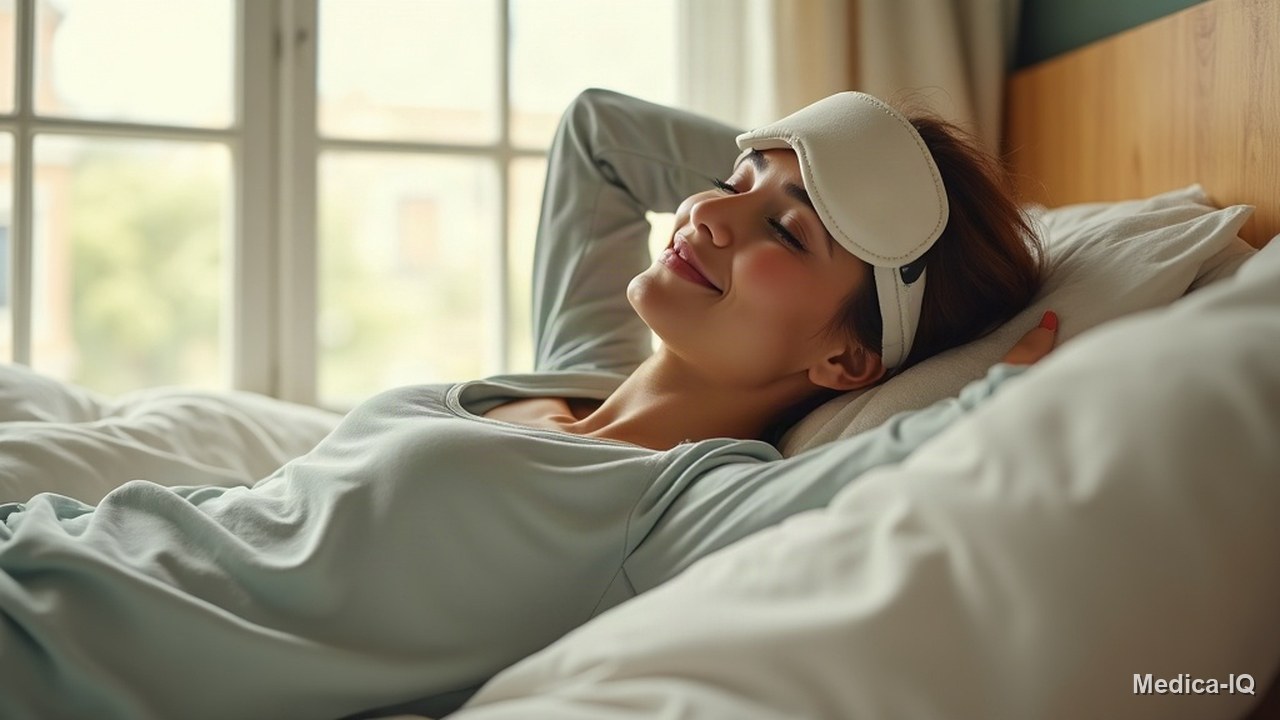
Understanding the New Sleep Mask Benefit
Using a fabric cover over the eyes does more than just create darkness; it can actively improve brain power. Research indicates that blocking light during the night helps people achieve more slow-wave sleep, which is the deep, restorative stage of rest.
Specific cognitive improvements associated with this practice include:
- Better memory and alertness.
- Faster reaction times.
- Improved performance on cognitive tests.
Beyond brain function, limiting light exposure is linked to better long-term health. Nighttime light is considered a risk factor for insulin resistance and cardiometabolic diseases, such as diabetes. In clinical settings, such as with critically ill patients, eye masks—used alone or with earplugs—have been found to be the most effective nursing intervention for improving sleep quality.
Choosing the Right Gear for Better Rest
While a light-blocking mask is a simple tool for many, those treating obstructive sleep apnea (OSA) use specialized CPAP masks. Selecting the correct equipment depends on several personal factors:
Sleep Position and Mask Type
- Side Sleepers: Nasal pillow masks are often ideal due to their low profile. Nasal masks are also an option, though some may need a specialized pillow to maintain a seal.
- Back Sleepers: This position accommodates most styles, including bulky full-face masks.
- Stomach Sleepers: Nasal pillow masks are generally the only viable option, as larger masks can cause neck pain or air leaks when pressed into the pillow.
- Combination Sleepers: Masks with swivel features or top-of-head tubes help prevent the hose from tangling.
Other Considerations
- Breathing Style: Mouth-breathers typically require full-face masks, while nose-breathers can use nasal or nasal pillow versions.
- Facial Hair: Nasal pillow masks are best for those with thick beards because they have minimal contact with facial hair.
- Sensitivity: Those who feel claustrophobic may find nasal pillow masks the most tolerable.
- Pressure: High-pressure settings often require the stronger seal provided by a full-face mask.
FAQ
Why does sleep position matter when selecting a CPAP mask?
Your position affects how well the mask stays in place. The goal is to maintain a consistent seal and prevent noisy air leaks, which can lead to lower compliance with therapy.
How to know if your CPAP mask fits properly?
A good fit means you can move comfortably, sleep with few interruptions, and wake up feeling restored without jaw pain, sore nostrils, or skin irritation.
Can I use a sleep mask with a CPAP machine?
The sources do not specify if a light-blocking mask can be worn simultaneously with a CPAP mask; however, they suggest exploring different styles to find the most comfortable fit for your needs.
When to See a Doctor
Consult a healthcare provider if you experience the following warning signs:
- Persistent daytime exhaustion despite spending several hours in bed.
- Frequent waking due to air hissing noises.
- Gasping or snoring that is noticed by a partner.
- Chronic dryness of the mouth, nose, or eyes upon waking.
- Inability to achieve a comfortable seal after adjusting straps or using liners.
Medical Disclaimer: This content is for informational purposes only and should not be taken as medical advice. Always consult your doctor before changing your current treatment or starting a new medication.
Related articles
- Eating Disorders and Sleep: Understanding the Connection
- How Sleep Loss Weight Gain in Weeks Occurs
- Understanding Sleep-related Breathing Disorder vs Insomnia
- How Much REM Sleep Do You Need for Good Health?
- More about Sleep & Sleep Disorders
Illustration: AI-generated
approved by: Medica Health team