Expiratory positive airway pressure (EPAP) is a non-electric option for managing mild to moderate sleep apnea using small nasal valves.
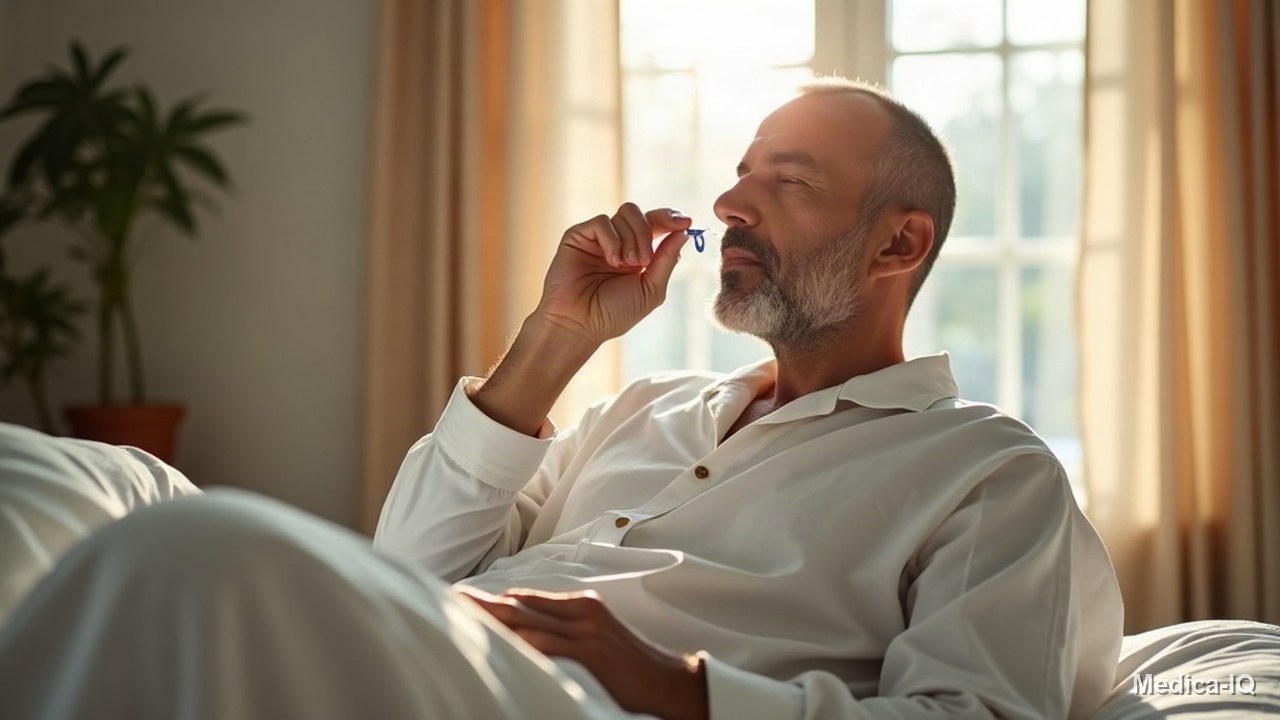
How Expiratory Positive Airway Pressure (EPAP) Works
This treatment uses a small valve placed in the nostrils. Unlike machines that push air into the lungs, this device relies on the user’s own breathing. As the person exhales, the valve creates pressure that helps keep the throat open during the next breath. This process reduces the frequency of breathing pauses and gasping during the night.
Comparing EPAP Therapy and CPAP
While both methods aim to keep the airway open, they function very differently:
- Mechanism: A CPAP machine uses a motor to force filtered air through a tube and mask. An expiratory positive airway pressure device uses the sleeper’s own breath to create pressure.
- Power and Portability: CPAP machines usually require electricity or batteries and can be bulky. This alternative is lightweight, small, and needs no power source.
- Maintenance: CPAP setups involve cleaning masks, filters, and tubing. The nasal valves used in this therapy require much less upkeep.
- Comfort: Some users find full-face CPAP masks claustrophobic, whereas the small valves are less confining and operate silently.
Effectiveness and Suitability
Evidence on the efficacy of these two methods differs. Some research suggests they are equally successful, while other studies indicate that CPAP may be more effective overall. However, because the nasal valves are often easier to tolerate, some people use them more consistently than a machine.
Who should consider this therapy?
This approach may be ideal for:
- Individuals who cannot tolerate CPAP masks.
- Frequent travelers or campers who lack access to power outlets.
- Those with mild to moderate sleep apnea.
Who should stick with CPAP?
CPAP is often the first choice for doctors and is generally better for:
- People with severe sleep apnea.
- Those who breathe primarily through their mouths.
- Patients with significant nasal blockages.
Potential Side Effects of EPAP Therapy for Sleep Apnea
About 42% of users in clinical trials reported side effects. While no serious adverse events were found, common issues include:
- Dry mouth and headaches.
- Nasal itching, congestion, or drainage.
- General nasal discomfort.
- Difficulty exhaling or insomnia.
FAQ
Is EPAP approved?
Certain prescription versions are cleared as Class II medical devices for sleep apnea. Some over-the-counter versions are approved only for snoring.
Can EPAP stop snoring?
Research indicates that by maintaining an open airway during exhalation, these devices can significantly lower snoring.
Is the treatment covered?
Some health services may not cover these devices because they are viewed as experimental. CPAP is typically more widely covered.
How do I decide which therapy is right for me?
The choice depends on your diagnosis severity, nasal health, and personal preferences. Consult a sleep specialist to determine the best plan.
When to See a Doctor
Consult a healthcare provider if you experience:
- Persistent daytime sleepiness despite treatment.
- Severe nasal obstruction that prevents the use of nasal valves.
- Inability to tolerate CPAP side effects.
- Frequent gasping or choking during sleep.
Disclaimer: This content is for informational purposes only and does not constitute medical advice. Always seek the guidance of a qualified healthcare provider with any questions regarding a medical condition.
Related articles
- What Are Micro CPAP Devices and Do They Work?
- 2-year-old toys: How Long Should a 2-Year-Old Nap? Tips
- What is Non-24-Hour Sleep-Wake Disorder (N24SWD)?
- Managing Non-24-Hour Sleep-Wake Disorder (Non-24)
- More about Sleep & Sleep Disorders
Illustration: AI-generated
approved by: Medica Health team