Finding the best lower back pain sleeping position helps reduce pressure on the spine and alleviate aches to ensure a more restful night.
Options for the Best Lower Back Pain Sleeping Position
There are several ways to improve sleep quality and reduce pressure on the vertebrae. The most prominent positions include:
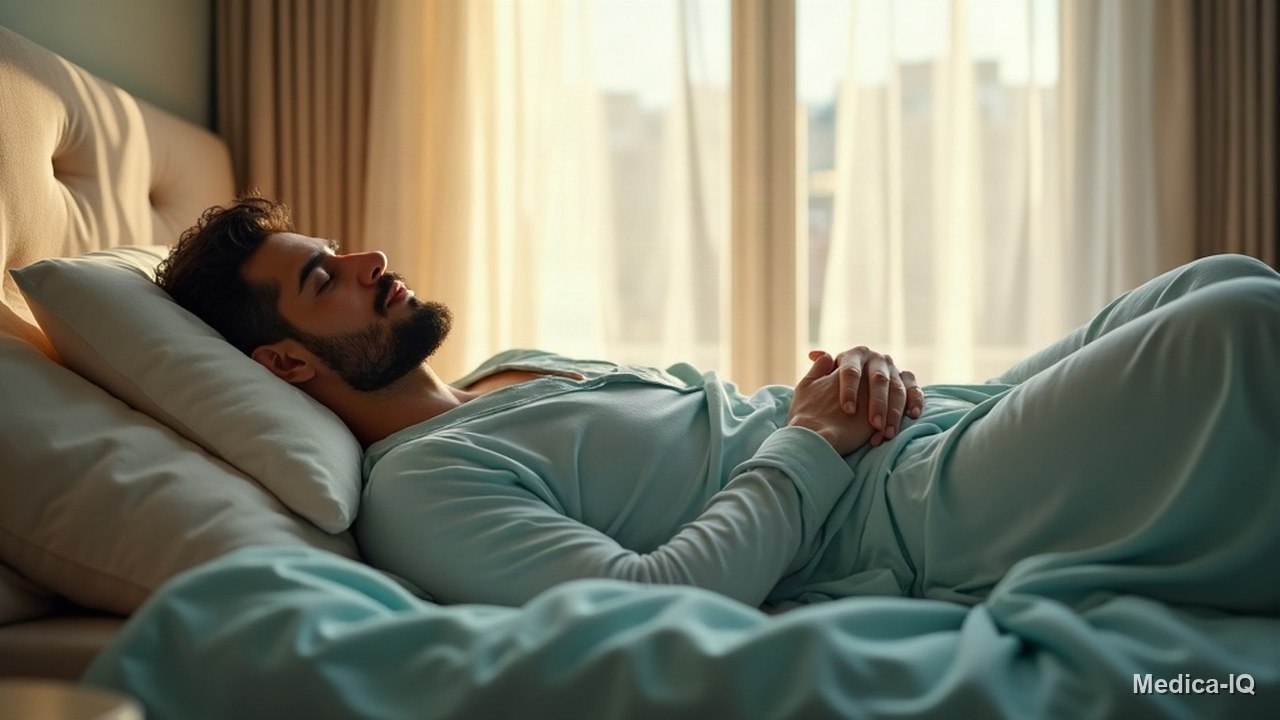
- Sleeping on the back: This position helps distribute body weight evenly and keeps the head, shoulders, and spine aligned. It is recommended to place a pillow under the knees to reduce pressure, while using a pillow that supports the neck and head.
- Side sleeping: In this case, placing a pillow between the knees is preferred to ensure the alignment of the pelvis, hips, and spine, as side sleeping without a pillow may increase pain.
- Fetal sleeping position: This position involves bending the knees and bringing them close to the chest, which helps relax the joints and keeps the spine in a straight state.
- Using a recliner: This is a useful option, especially for those suffering from spondylolisthesis, as it creates space between the legs and the torso.
- Sleeping on the stomach: This is the least preferred position and may cause pressure on the neck. However, if necessary, a pillow can be placed under the pelvis, and a thin pillow for the head should be used or omitted entirely.
How to Choose the Right Mattress and Pillow?
The type of mattress and pillow plays a major role in the success of any sleeping position for pain:
Choosing the Mattress:
A medium-firm mattress is recommended. An extremely firm mattress may increase pressure on the joints, neck, and back, while a mattress that is too soft may cause the pelvis to sink, increasing pressure on the upper body.
Choosing the Pillow:
- For back sleepers: Thin pillows with additional neck support are preferred; avoid overly plush pillows that may cause neck strain.
- For side sleepers: Firm and plush pillows are most suitable.
- For stomach sleepers: Thin pillows are preferred, especially under the pelvic area.
Daily Guidelines for Preventive Back Pain Treatment
In addition to improving sleep habits, daily routines contribute to protecting the spine:
- Physical activity: Practice back-strengthening exercises at least twice a week and perform stretching exercises to improve blood circulation.
- Correct posture: Maintain a straight back while sitting and standing, and avoid constant slouching.
- Nutrition and bones: Eat foods rich in calcium (such as milk and yogurt) and vitamin D (such as fatty fish and egg yolks) to strengthen bones and prevent osteoporosis.
- Healthy habits: Quit smoking because nicotine hinders blood flow to the spinal discs, and maintain a healthy weight to reduce pressure on the vertebrae.
- Handling weights: Bend the knees instead of bending the back when lifting heavy objects.
FAQ
How to relieve lower back pain sleeping position?
It is recommended to choose a comfortable medical mattress with medium to firm support, avoiding those that are too soft or too hard. Additionally, using support pillows—such as one under the knees for back sleepers or between the knees for side sleepers—can significantly reduce pain in the lower back.
Can lower back pain be caused by sleeping position?
Yes, sleeping in a position that misaligns the spine or using an unsuitable mattress can increase pressure on the vertebrae, leading to discomfort when sleeping with lower back pain.
When should you consult a doctor?
You should visit a doctor if the pain persists for more than two days despite following supportive steps, or if you notice that the aches are worsening.
When to See a Doctor Immediately?
It is advised to seek medical help when warning signs appear, such as:
- A significant increase in the intensity of the pain.
- No improvement in the condition after using topical medications and home measures.
- Feeling spasms that significantly hinder normal movement.
Disclaimer: This content is for informational purposes only and is not a substitute for professional medical advice.
Related articles
- How Sleep Helps You Get Rid of Lice and Illnesses
- Catathrenia: Why Do I Moan in My Sleep?
- Effective Stop Snoring Treatments: Guide to Better Sleep
- What is Expiratory Positive Airway Pressure (EPAP)?
- More about Sleep & Sleep Disorders
Illustration: AI-generated
approved by: Medica Health team