A blood oxygen level test is a way to determine the amount of oxygen that red blood cells carry from the lungs to the body’s organs to ensure physical well-being.
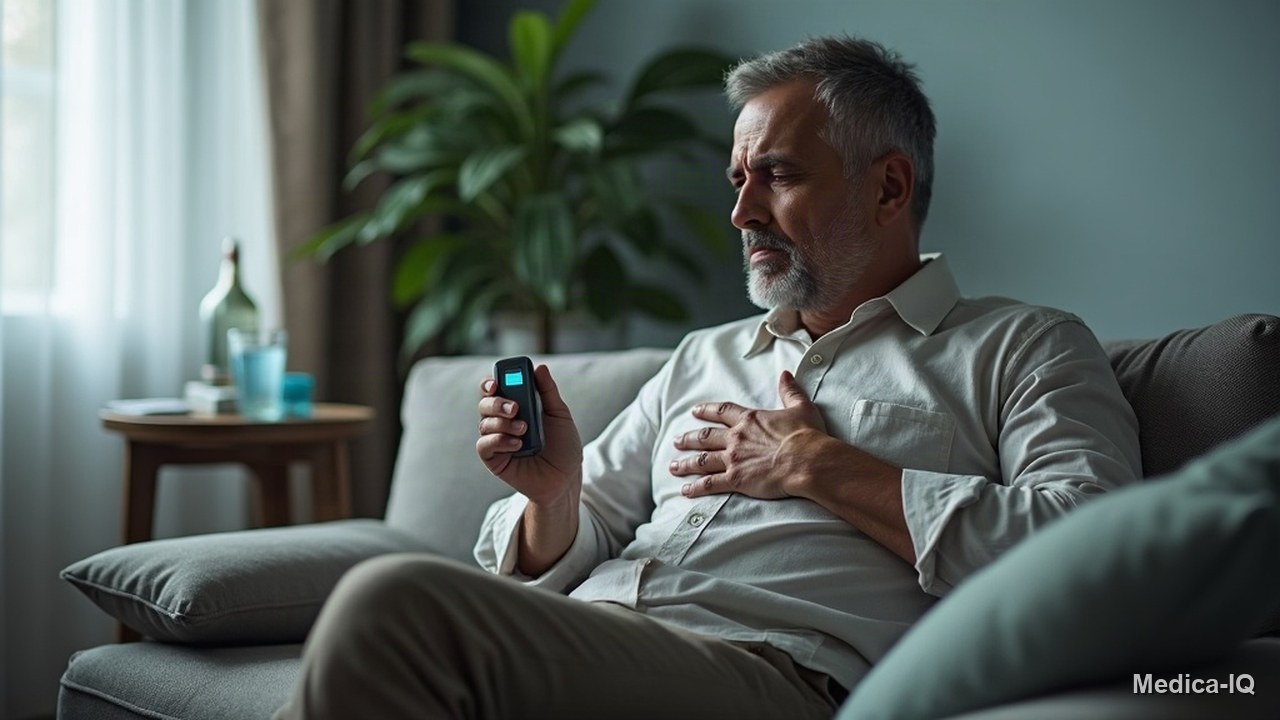
What is a Normal Blood Oxygen Level?
Normal readings vary based on the testing method used, as guidelines differ regarding specific numbers:
- In arterial blood gas tests, the normal range is between 75-100 mmHg; a level below 75 mmHg is considered low.
- In pulse oximeters, the oxygen saturation (SpO2) should be above 90-92%, while the partial pressure of oxygen (PO2) should be above 60-65%.
Methods for Conducting a Blood Oxygen Level Test
There are two primary ways to monitor these levels:
1. Arterial Blood Gas (ABG) Test:
This is the most accurate and effective procedure. It involves drawing a blood sample from a wrist artery and may cause some pain.
2. Pulse Oximetry:
This is a small device placed on the finger, ear, foot, forehead, or nose. It measures the oxygen level indirectly via light absorption. It is fast and painless but less accurate than an ABG test. Results may be affected by:
- Dark nail polish or long artificial nails.
- Dirty fingers or poor circulation.
- Dark skin pigmentation or low body temperature.
- Bright lighting.
Causes and Symptoms of Low Blood Oxygen
Hypoxia occurs when the lungs fail to inhale enough oxygen or the circulatory system fails to transport it.
Potential Causes:
- Respiratory diseases: Asthma, pneumonia, emphysema, pulmonary fibrosis, chronic obstructive pulmonary disease (COPD), and sleep apnea.
- Heart and circulatory issues: Heart disease, anemia, and hypertension.
- Other factors: Smoking (carbon monoxide buildup), certain painkillers, fluid or air in the chest, and pulmonary arterial clots.
Common Symptoms of Low Blood Oxygen:
- Shortness of breath and chest pain.
- Rapid heartbeat and high blood pressure.
- Headache, dizziness, insomnia, and confusion.
- Blue coloration of the skin, nails, or lips.
Prevention and Treatment
Quality of life can be improved and shortness of breath reduced by:
- Quitting smoking and avoiding secondhand smoke.
- Following a diet rich in fruits and vegetables.
- Maintaining regular physical activity.
- Using supplemental oxygen based on a doctor’s prescription, which can be provided at home.
When to See a Doctor
Seek medical care immediately if the following signs appear:
- Sudden, severe shortness of breath, whether at rest or during physical activity.
- Waking up from sleep due to a feeling of suffocation.
- Difficulty breathing accompanied by a cough, rapid heart rate, or fluid retention.
- Blue discoloration of the face or nails.
FAQ
How is blood oxygen level tested?
This is done either with high precision by drawing a blood sample from an artery (ABG test) or through a non-invasive and fast method using a pulse oximeter placed on the finger or other parts of the body.
What is the normal blood oxygen level?
The reading depends on the device; for a pulse oximeter, it is preferable for the SpO2 to be above 90-92%, while in arterial blood tests, the normal range is between 75-100 mmHg.
How do I use an oxygen measurement device?
You should remove nail polish, warm your hands, and relax for 5 minutes. Place the device on a finger (preferably the index or middle finger) with the hand aligned with the heart, then record the highest result that appears after one minute of stillness.
Disclaimer: This content is for informational purposes only and does not substitute for professional medical advice. Please consult a doctor to accurately evaluate your health condition.
Related articles
- Understanding Common Pulmonary Fibrosis Causes
- Tuberculosis Guide: Facts, Symptoms, and Treatment
- Middle East Respiratory Syndrome (MERS): Symptoms & Risks
- Understanding Acute Sinusitis Symptoms and Treatment
- More about Lung Disease
Illustration: AI-generated
approved by: Medica Health team