Bronchial inflammation occurs due to irritation or swelling in the airways that carry air to the lungs, causing coughing, phlegm, and shortness of breath.
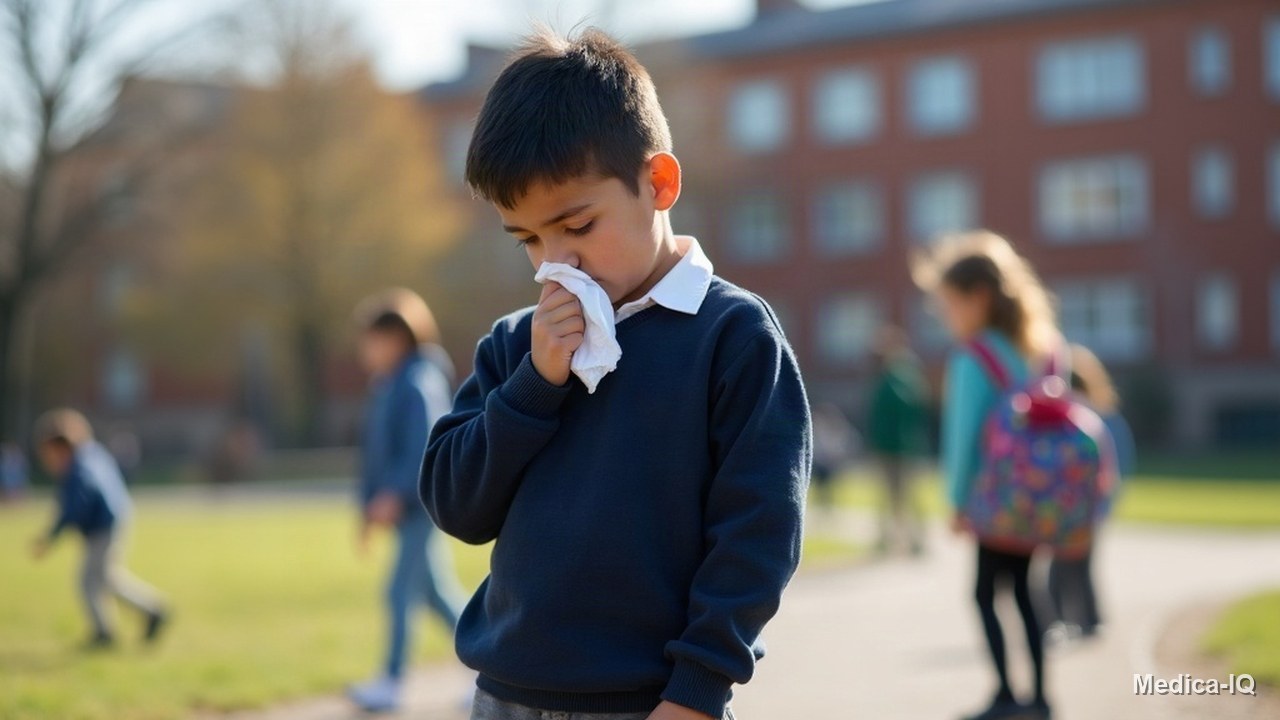
What is Bronchial Inflammation?
It is a condition where the lining of the bronchial tubes becomes inflamed, leading to mucus secretion and narrowing of the respiratory passages. It is divided into two types:
- Acute: The most common type, often resulting from a viral or bacterial infection (such as colds and flu), usually lasting from one to three weeks.
- Chronic: A form of chronic obstructive pulmonary disease (COPD), characterized by recurrent episodes and a cough that lasts for three months or more, often linked to smoking or environmental pollutants.
Home Remedies for Bronchitis
In mild cases, self-care measures can be followed to speed up recovery:
- Rest and Sleep: Sleep (7-8 hours for adults and 10-12 hours for children) helps boost immunity and repair tissues.
- Hydration: Drinking plenty of fluids prevents dehydration, soothes the throat, and reduces the thickness of mucus.
- Improving Air Environment: Using a humidifier helps relieve coughing and clear phlegm; the device must be cleaned to prevent fungal growth.
- Avoiding Irritants: Quit smoking, avoid secondhand smoke, strong fumes, or very cold air by wearing a face cover.
- Proper Nutrition: Eat vegetables, fruits, whole grains, and proteins, while reducing sugars, salt, and saturated fats.
- Soothe Sore Throats: You can gargle with salt water, drink warm beverages such as thyme tea or lemon and honey, or use ice cubes and lozenges.
Medical Options for Bronchitis Treatment
Medications vary depending on the case, and some require a prescription:
- Bronchodilators: Such as bitutrol and albuterol, used to open narrow airways and facilitate airflow.
- Non-Steroidal Anti-Inflammatory Drugs (NSAIDs): Such as ibuprofen and naproxen to reduce fever and pain.
- Cough and Phlegm Medications: Including expectorants like guaifenesin, or cough suppressants containing dextromethorphan (used at night to improve sleep).
- Antihistamines: Such as cetirizine and loratadine to reduce allergic symptoms.
- Antibiotics: These are not effective for viral cases, but a doctor prescribes them if a bacterial infection is suspected.
Diagnosis and Prevention
Doctors use a stethoscope for examination and may request a chest X-ray or sputum tests. A “spirometer” is also used to measure the amount and speed of air a patient exhales from their lungs. For prevention, it is recommended to wash hands frequently and abstain from smoking.
Frequently Asked Questions
What does bronchial inflammation feel like in infants?
Their symptoms are similar to adults, but strong coughing in infants may lead to vomiting.
How long does bronchial inflammation last?
Those with the acute type usually recover within two weeks, while other cases may take longer depending on the type of inflammation.
Is this condition dangerous?
Generally, no, but neglecting treatment may lead in some cases to complications such as pneumonia.
When to Seek Medical Help?
Consult a doctor immediately if the following signs appear:
- Coughing persists for more than 3 weeks.
- Blood appears in the phlegm.
- Temperature rises above 38°C or fever lasts for more than 3 days.
- Severe difficulty breathing, wheezing, or chest pain.
- Feeling confused or extremely drowsy.
Medical Disclaimer: This content is for informational purposes only and does not substitute for professional medical advice.
Related articles
- Importance of Air Purification for Home Health
- Managing Thick Phlegm and COPD Symptoms
- Understanding the Blood Oxygen Level Test
- Avoid Common Mistakes That Worsen a Cold
- More about Lung Disease
Illustration: AI-generated
approved by: Medica Health team