Pneumococcal bacteria can cause infections leading to serious, life-threatening health conditions, with a higher likelihood of occurrence during the winter.
What are Pneumococcal Bacteria?
These are a type of bacteria transmitted between people via coughing or close contact. Depending on where the bacteria settle in the body, several medical conditions may develop, including:
- Pneumonia.
- Meningitis.
- Bacteremia (bloodstream infection).
- Ear infections.
Symptoms vary by condition but may include fever, sweating, chills, neck stiffness, and confusion, as well as chest pain, difficulty breathing, and a cough that may produce yellow or green mucus.
Weather Effects on Pneumococcus
Infections caused by these bacteria increase as temperatures drop. A rise in cases among adults is specifically noted from December 24 to January 7. For children, infections peak in September and continue to rise throughout the autumn.
There is conflicting evidence regarding the link between cold and infection; while some diseases are inversely related to heat, other reports suggest that colder regions record lower infection rates. It is believed that the increase in pneumococcal infections in winter is due to several factors:
- Cold air and low humidity.
- Air pollution.
- The spread of viruses such as influenza, which increases the risk of secondary infection.
- People gathering in enclosed spaces.
- Physiological changes in the body or immune system activity with changing seasons.
One study found that the risk of hospitalization due to pneumonia decreases as temperature rises, and that older adults (over 65) are more affected by the cold, with hospitalizations increasing at 18°C.
Pneumococcal Disease in Summer and High-Risk Groups
Despite the winter association, infection can occur during the summer or at any time of the year. Certain groups face higher risks:
- Smokers: Their chances of infection increase by 3.9 times.
- Asthma patients: Their chances increase by 5.9 times.
- People with Chronic Obstructive Pulmonary Disease (COPD): Their chances increase by 7.7 times.
- Older adults over 65.
Prevention and Vaccines
Vaccination is essential to prevent serious complications. Vaccines are available that protect against different strains of the bacteria, including those covering 7 strains and those covering 13 strains, targeting children, adolescents, and adults.
Studies have shown that vaccinating infants reduces their chances of hospitalization by 43.2%, while this reduction is 22.8% for vaccinated older adults (over 85).
FAQ
What is pneumococcal bacteria?
It is a type of bacteria (often referred to as pneumococcus in English) that can cause respiratory and systemic infections. Vaccines are available to protect against 7 or 13 bacterial strains for children, adolescents, and adults to reduce the risk of pneumonia and ear infections.
How is the infection transmitted?
It spreads from an infected person to another through coughing or close contact.
Does humidity affect pneumonia infections?
According to a study conducted in Shanghai, relative humidity, precipitation rates, and wind speed had no effect on the number of pneumonia-related hospital visits.
When to See a Doctor
Seek medical care immediately if the following signs appear:
- Severe difficulty or shortness of breath.
- Sharp chest pain.
- High fever accompanied by neck stiffness or mental confusion.
- A cough producing colored mucus (green or yellow).
Disclaimer: This content is for informational purposes only and is not a substitute for professional medical advice.
Related articles
- Understanding Common Difficulty Breathing Causes
- Understanding Bronchial Inflammation and Treatment
- Managing Asthma Attacks Due to a Cold or Flu
- Guide to Effective Winter Cough Treatment
- More about Lung Disease
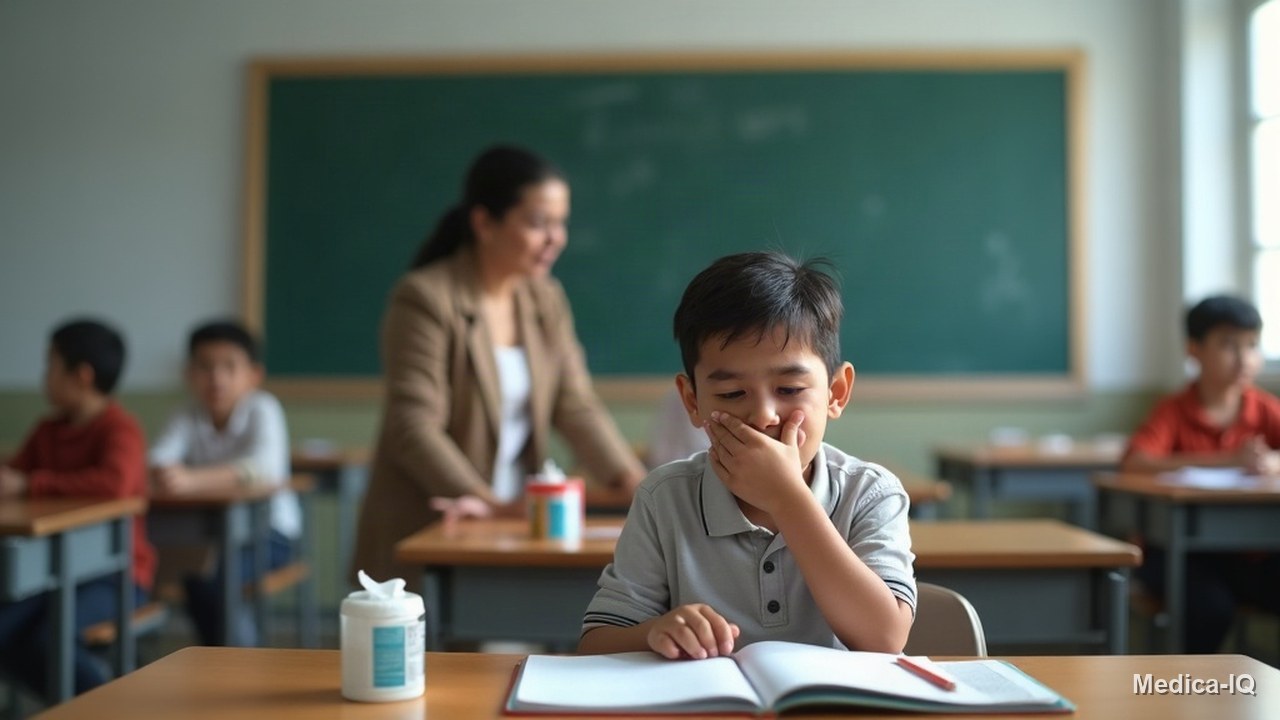
Illustration: AI-generated
approved by: Medica Health team