Learn effective strategies on how to cool a room during summer to improve your sleep quality and prevent overheating in your home.
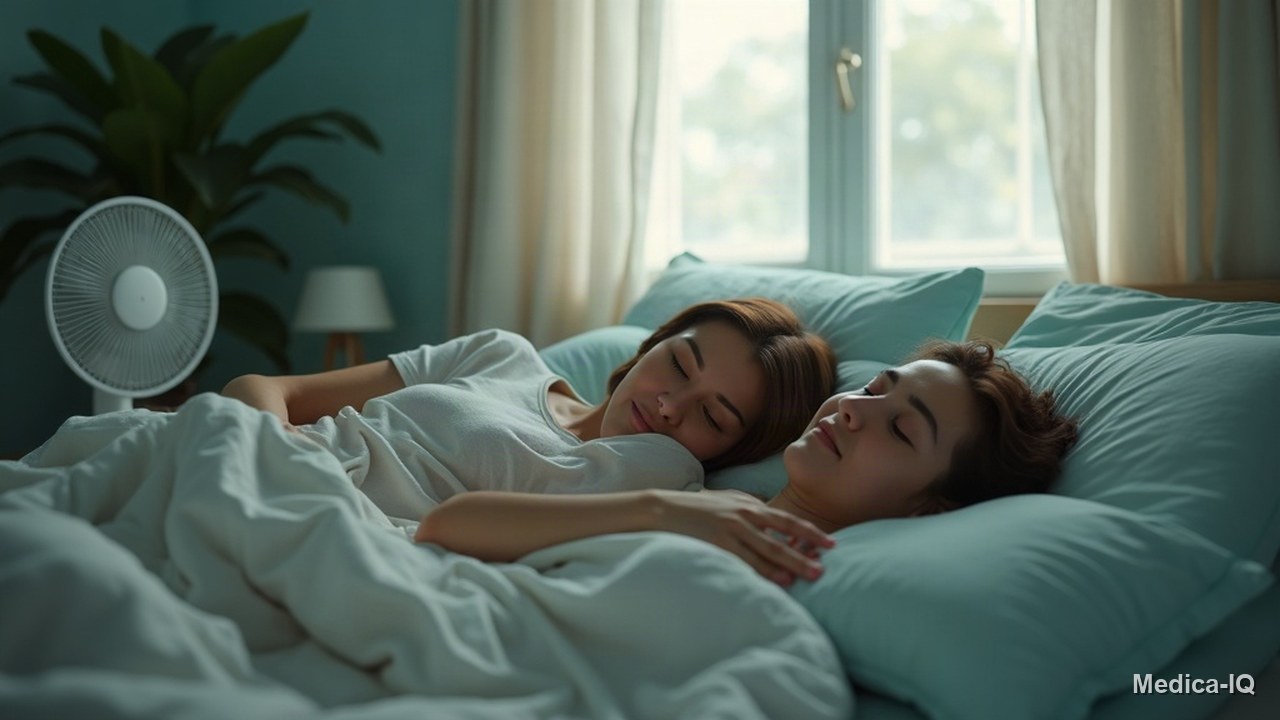
Natural Ways to Cool a Room During Summer
When air conditioning is unavailable, you can maintain a comfortable environment by preventing heat from building up and actively lowering the temperature.
Manage Sunlight and Airflow
- Keep curtains and blinds closed during the day to block solar heat. Honeycomb or insulated cellular shades can stop up to 80% of this heat.
- Create a cross-breeze by opening at least two windows or doors. For the best airflow, make the exit opening larger than the entry opening.
- Use ceiling, table, or floor fans to move air. You can place fans in windows—one blowing in and one blowing out—to improve ventilation.
Control Indoor Heat Sources
- Limit the use of stoves, ovens, microwaves, and toasters, as these release warmth.
- Avoid running large appliances like dryers or washers during the hottest parts of the day.
- Replace incandescent light bulbs with energy-efficient alternatives that produce less heat.
Advanced Cooling Options
- Use a dehumidifier to remove excess moisture, which can make a room feel stagnant and disrupt deep sleep.
- Install a reflective roof to prevent the attic from trapping heat.
- Use an evaporative cooler, which chills air via wet pads; these work best in dry climates. A simple version can be made by placing a tray of ice or ice water in front of a table fan.
Tips to Stay Cool During Sleep
Creating a chilled sleep environment helps you fall asleep faster and reduces nighttime awakenings.
Bedding and Clothing
- Choose breathable fabrics for sheets and pajamas, such as bamboo-rayon, Tencel, or high-quality cotton, to help moisture evaporate.
- Use a light blanket or a breathable top sheet instead of heavy covers.
- Consider a cooling mattress pad, some of which use tubes of chilled water to lower the bed’s temperature.
Body Temperature Regulation
- Drink plenty of water throughout the day and sip ice water before bed.
- Take a cold shower as part of your nightly routine.
- Apply ice packs to your wrists, neck, or head. You can also freeze a moistened shirt or towel for a few hours and wear it around your pulse points.
FAQ
How to cool a room in summer without AC?
You can use fans to create cross-ventilation, close blinds during the day to block sun, and use a dehumidifier to remove heavy moisture from the air.
How to cool a bedroom in summer naturally?
Open two or more windows to create a breeze, use breathable cotton or bamboo bedding, and avoid using heat-emitting appliances like ovens or incandescent bulbs.
How to stay cool during sleep in a hot room?
Try sleeping in lightweight clothing, using a cooling mattress pad, or placing a frozen towel around your neck to lower your body temperature.
When to See a Doctor
Seek immediate medical help if you or someone else shows signs of heat exhaustion or heat stroke, such as:
- Feeling nauseous.
- Experiencing dizziness.
- Feeling as though you are close to passing out.
Older adults and individuals with chronic health conditions are at a higher risk for these illnesses.
Disclaimer: This content is for informational purposes only and does not constitute medical advice.
Related articles
- How to Stop Sleeping Too Much: Causes and Treatments
- Morning Headaches: Why Do I Wake Up With a Headache?
- How Sleep and Cognitive Performance Are Linked
- Advanced Sleep Phase Disorder: Symptoms & Treatment
- More about Sleep & Sleep Disorders
Illustration: AI-generated
approved by: Medica Health team