Various illnesses caused by lack of sleep can diminish your quality of life and daily activity, preventing the body and mind from getting the rest needed to function efficiently.
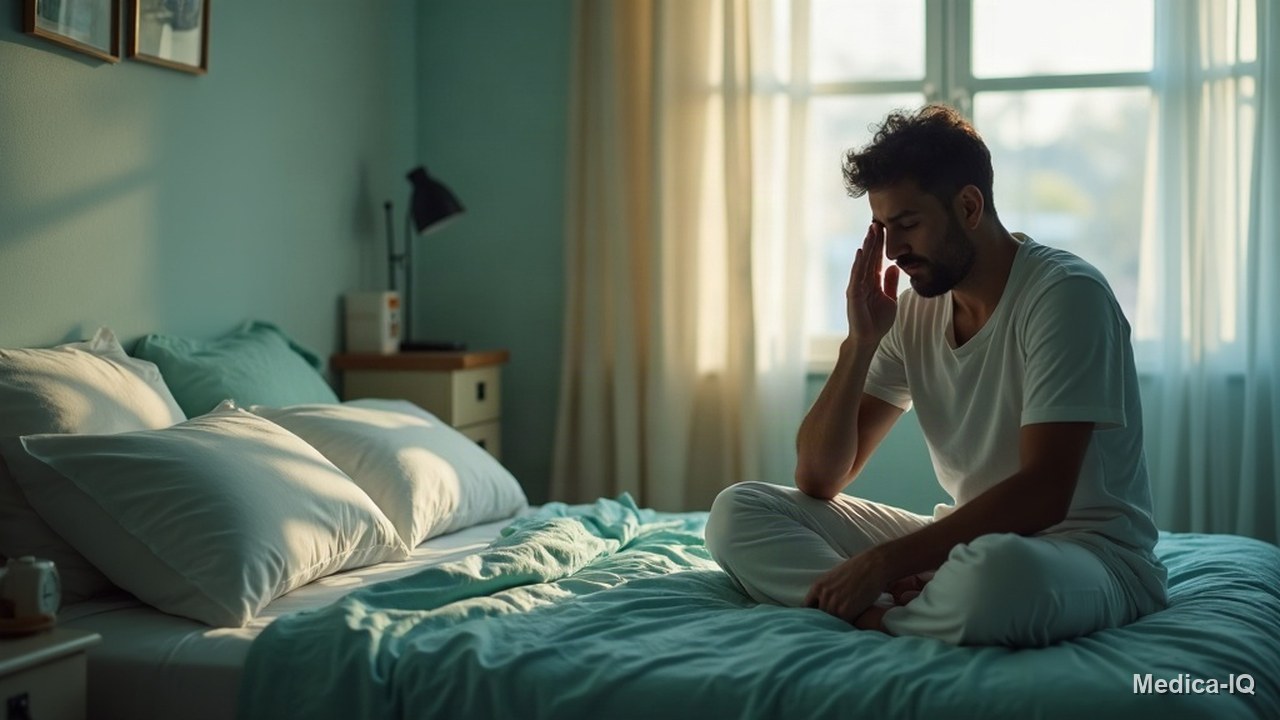
What Are the Most Common Sleep Disorders?
There are many disorders that hinder restful sleep, with types numbering around 80. The most prominent include:
- Insomnia: Difficulty falling or staying asleep, leading to lethargy, irritability, and anxiety, while increasing the risk of chronic diseases.
- Sleep Apnea: Frequent pauses in breathing during sleep, which reduces oxygen flow to the brain and causes repeated awakenings with a feeling of choking.
- Restless Legs Syndrome: An urgent desire to move the legs, often appearing during evening relaxation, which obstructs the ability to sleep.
- Delayed Sleep Phase Disorder: A delay in the sleep-wake cycle, where the sufferer does not feel sleepy until late at night, making morning wake-ups difficult.
Illnesses That Disrupt Sleep and Other Factors
The problem is not limited to sleep disorders alone; there are other health conditions and behaviors that contribute to sleep deprivation:
- Health Issues: These include allergies, common colds, nocturia (frequent nighttime urination), and chronic pain such as arthritis, headaches, and back pain.
- Psychological Factors: Stress, anxiety, and depression can keep the mind active or alter sleep patterns.
- Daily Habits: Consuming caffeine (which can last up to 8 hours) or nicotine, engaging in strenuous exercise before bed, and eating heavy meals that cause heartburn.
- Sleep Environment: Noise, an uncomfortable mattress, or temperatures that are too high or too low.
- Aging: The biological clock may change, or age-related diseases and medications may affect sleep quality.
Impact of Sleep Deprivation on Health
Chronic lack of sleep leads to impaired immunity due to decreased production of cytokines and antibodies, making a person more susceptible to viral infections like the common cold. Furthermore, this state increases the risk of:
- Obesity (especially for those who sleep less than 7 hours).
- Type 2 diabetes due to changes in glucose processing.
- Hypertension, heart disease, and stroke.
- Mood disorders such as depression.
Sleep Requirements by Age
The hours required for rest vary according to the age group:
- Infants (4-12 months): 12 to 16 hours.
- 1 to 2 years: 11 to 14 hours.
- 3 to 5 years: 10 to 13 hours.
- 6 to 12 years: 9 to 12 hours.
- Teenagers (13-18 years): 8 to 10 hours.
- Adults: Most need 7 to 9 hours, though some may require more during pregnancy or recovery from illness.
FAQ About Sleep Deprivation
What diseases can be caused by lack of sleep?
Yes, because a lack of sleep weakens the immune system and reduces the body’s ability to resist infections and recover quickly.
Can sleep deprivation and overthinking be treated with herbs?
Herbs such as lavender, valerian, and chamomile may help some people, but scientific evidence is not comprehensive. You should consult a doctor to ensure they do not interfere with medications.
Why can’t I sleep despite being tired?
This may be due to insomnia, stress that keeps the mind active, or poor habits such as exposure to digital stimulants before bed.
When should I see a doctor for lack of sleep?
It is recommended to visit a doctor if the lack of sleep affects your job performance, if you feel extreme daytime sleepiness, or if there are signs of respiratory disorders during sleep.
When to See a Doctor Immediately?
Seek medical consultation if the following signs appear:
- Frequent waking with a sensation of choking.
- Excessive sleepiness that leads to a risk of accidents at work or on the road.
- Inability to sleep for several consecutive nights, causing mental confusion and difficulty making decisions.
Disclaimer: This content is for informational purposes only and does not substitute for professional medical advice.
Related articles
- How Weight Affects Sleep Apnea: Causes and Treatments
- Benefits of Drinking Sage Before Bed
- tart cherry juice sleep
- How to Cool a Room During Summer: Natural Tips & Tricks
- More about Sleep & Sleep Disorders
Illustration: AI-generated
approved by: Medica Health team