Many people find that sleeping with a fan helps them stay cool and relaxed, though it can occasionally trigger allergies or disrupt those sensitive to noise.
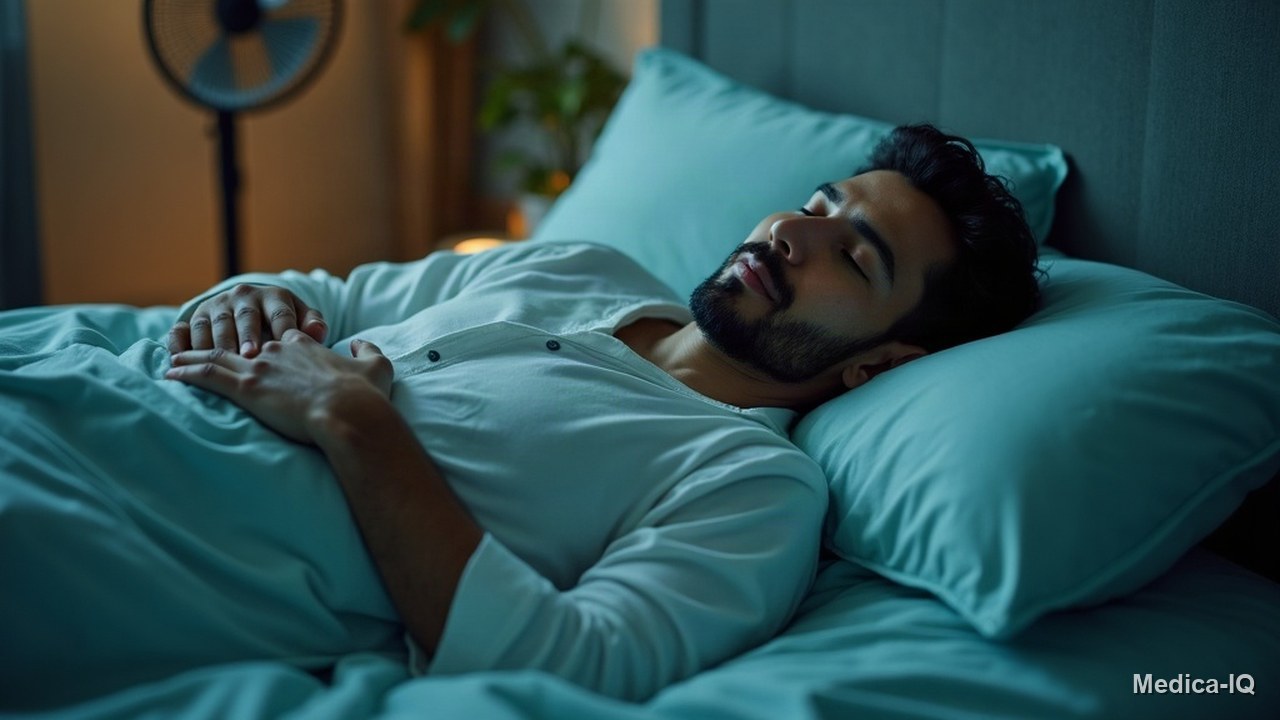
The Pros and Cons of Sleeping With a Fan
For most individuals, using a fan at night is a safe way to regulate temperature. It is particularly helpful for people experiencing fevers, those undergoing cancer treatment, or individuals managing menopause-related hot flashes. Beyond cooling, the steady hum acts as white noise, which can mask disruptive sounds from partners or traffic. It may also help people with tinnitus by masking the ringing in their ears. Additionally, fans prevent air from becoming stagnant in rooms with small windows.
However, there are some drawbacks:
- Allergy Triggers: Fans can circulate dust, animal dander, and pollen. This may lead to coughing, itching, or a runny nose. In some cases, this nasal congestion can worsen snoring, asthma, or obstructive sleep apnea.
- Noise Disturbance: While some love the sound, others find it distracting. Noises as low as 33 to 48 decibels can impact sleep quality.
- Energy Costs: While cheaper than air conditioning, running a fan all night can increase electricity bills.
Tips for Using a Fan While Sleeping
To get the most benefit while minimizing risks, consider these strategies:
- Maintain Cleanliness: Regularly clean the blades to stop the spread of allergens.
- Optimize Placement: Use a portable model to adjust the position. If direct airflow is uncomfortable, use a rotating setting or move the device further away.
- Control Timing: Use a timer if you only need the breeze to fall asleep.
- Manage Noise: Choose a quiet model to avoid unintentional sleep disruptions.
Other Ways to Stay Cool
If you prefer not to use a fan, you can lower your bedroom temperature through these methods:
- Bedding and Clothing: Wear loose cotton pajamas and use breathable sheets.
- Room Prep: Use blackout curtains during the day to block sun heat and open windows a few hours before bed.
- Body Temperature: Take a warm bath or shower one to two hours before sleep to help the body cool down.
- Climate Control: Use air conditioning to maintain a temperature between 65 and 68 degrees Fahrenheit.
- Specialized Gear: Use cooling pillows or mattress pads containing water tubes or gel beads.
FAQ
What can sleeping with a fan cause?
For some, it can cause an increase in allergy symptoms like itching or a runny nose because the device circulates dust and pollen. This congestion may exacerbate snoring or asthma.
How does sleeping with a fan affect you?
It generally helps you stay cool and can provide soothing white noise that masks external sounds or tinnitus. However, if the fan is too loud, it may lead to repeated awakenings.
What does sleeping with a fan do to your health?
While safe for most, people with sensitive airways may find it uncomfortable. Those with allergies may experience a decrease in sleep quality due to airborne particles.
When to See a Doctor
Consult a healthcare provider if you experience the following:
- Frequent nighttime awakenings or waking up feeling unrested.
- Increased episodes of obstructive sleep apnea or severe snoring.
- Worsening asthma symptoms or chronic nasal congestion.
Disclaimer: This content is for informational purposes only and does not constitute medical advice. Always seek the guidance of a qualified healthcare provider with any questions regarding a medical condition.
Related articles
- Understanding the Health Risks of Interrupted Sleep
- What is Benign Neonatal Sleep Myoclonus?
- Lack of Sleep Side Effects on Men’s Health
- Why You May Struggle with Sleeping on Your Back
- More about Sleep & Sleep Disorders
Illustration: AI-generated
approved by: Medica Health team