A false awakening is a vivid dream where a person believes they have woken up, though they remain asleep.
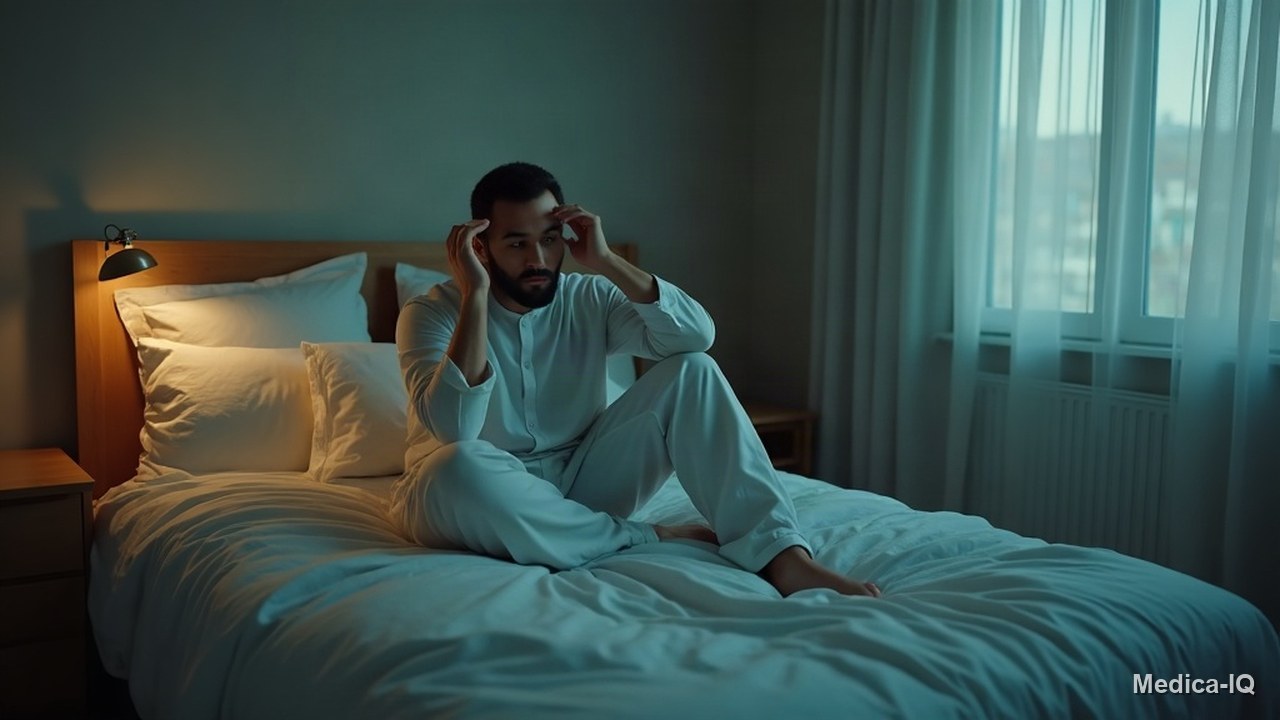
Understanding the False Awakenings Meaning
A false awakening occurs when you dream that you are awake. These experiences typically happen during rapid eye movement (REM) sleep. Unlike typical dreams, which often feel fantastical or strange, these episodes are usually realistic. You might dream you are in your own bedroom or at your workplace.
Common scenarios include:
- Performing a morning routine, such as brushing teeth or making coffee.
- Getting up in the night to visit the kitchen or bathroom.
- Wandering through a familiar environment.
- Thinking about a previous dream while believing you are now awake.
While the setting often looks identical to real life, some small details may be off, such as lights that won’t turn on or doors that lead to unexpected places.
What are the False Awakenings Causes?
Researchers believe sleep disturbances or hyperarousal during REM sleep may cause these dreams. Hyperarousal is a state often linked to insomnia, characterized by poor sleep quality and fragmented REM stages.
When REM sleep is interrupted, the brain may have more access to waking memories, making dreams feel more like reality. Other contributing factors include:
- High levels of stress.
- Anticipating a stressful event or a sleep disruption.
- Sleeping in an unfamiliar or noisy environment.
Related REM Sleep Phenomena
These experiences often overlap with other events occurring between wakefulness and REM sleep.
Lucid Dreaming
In a lucid dream, the sleeper knows they are dreaming. Those who lucid dream frequently often experience more false awakenings. Sometimes, noticing a strange detail during a false awakening can trigger a lucid dream.
Sleep Paralysis
Sleep paralysis occurs when a person is mentally awake but cannot move their muscles. While both involve a state between sleep and waking, they differ because a person in sleep paralysis is conscious, whereas someone experiencing a false awakening is still dreaming.
Potential Effects of False Awakenings in Dreams
Generally, these episodes are harmless, though they can be unsettling. Some people experience “type 2” awakenings, which involve feelings of dread, a sense of a presence in the room, or out-of-body sensations.
In some cases, a person may experience several of these dreams in a row, creating a feeling that they cannot wake up. This can also lead to a false memory, where a person remembers performing a task that only happened in the dream.
When to See a Doctor
While not dangerous, you should consult a healthcare provider if these episodes:
- Significantly disrupt your sleep quality.
- Cause distress or anxiety.
- Impact your daily life, such as your ability to concentrate at work or school.
A doctor can help identify underlying sleep disorders or suggest ways to gain more control over your dreams.
FAQ
What is a false awakening?
It is a dream in which you believe you have woken up and started your day, but you are actually still asleep.
How common are false awakenings?
They are relatively frequent; one study indicated that nearly half of participants had experienced one. They may be more common in people under 50 or those who lucid dream.
Are false awakenings dangerous?
No, they are not dangerous. However, they can cause feelings of anxiety or fear.
Is a false awakening the same as sleep paralysis?
No. Sleep paralysis is a state of being mentally awake while unable to move. A false awakening is a dream where you believe you are awake.
Disclaimer: This content is for informational purposes only and is not a substitute for professional medical advice, diagnosis, or treatment.
Related articles
- Is Sleeping With a Fan a Good Idea? Pros and Cons
- Babies and Head Banging at Night: Causes and Solutions
- How Much Does a Sleep Study Cost? Pricing & Options
- Mint Tea Before Bed Side Effects and Benefits
- More about Sleep & Sleep Disorders
Illustration: AI-generated
approved by: Medica Health team