Learn practical tips and home remedies on how to sleep with a cough or a cold to improve your rest and speed up your recovery.
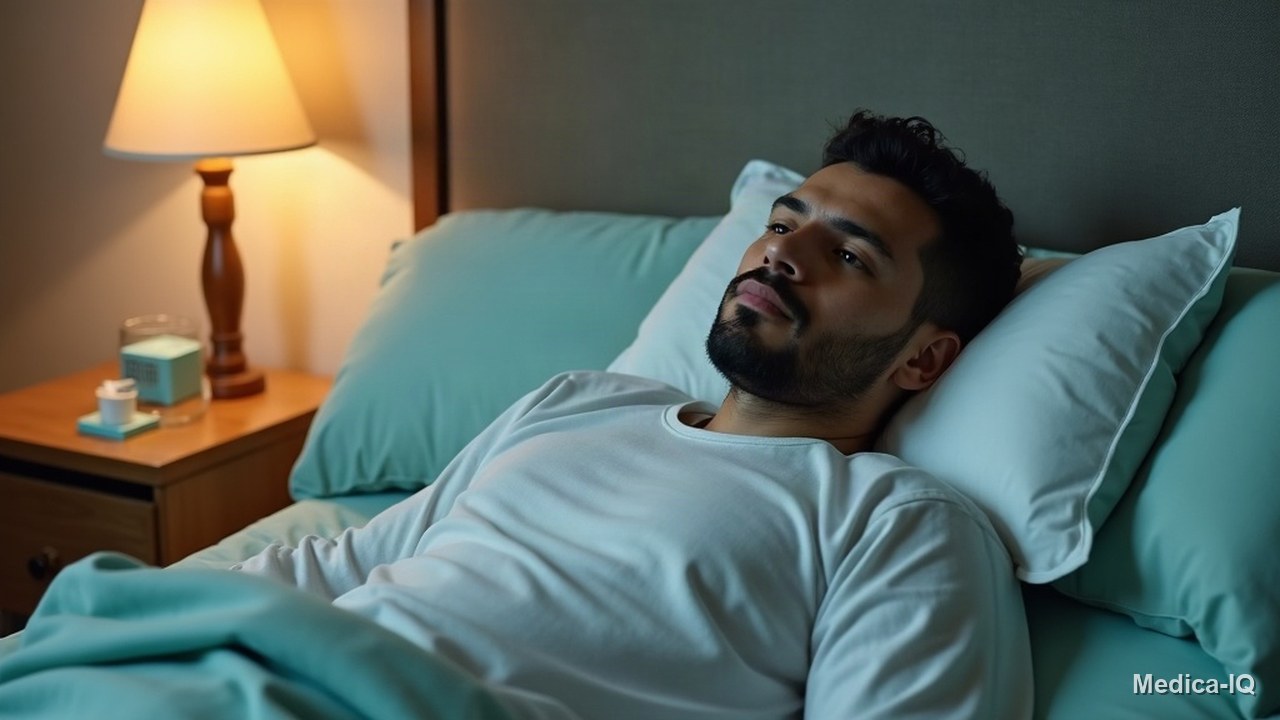
Why Your Symptoms Worsen at Night
Many people find that their coughing increases once they lie down. This often happens because of postnasal drip, where mucus runs down the back of the throat instead of exiting through the nose. Gravity makes this more prominent when you are flat on your back.
Other cold symptoms can also disrupt rest, including:
- Sore throats and runny noses
- Sneezing and body aches
- Fever-induced negative dreams
Tips for How to Sleep With a Cough or a Cold
Getting enough rest is essential for the immune system to function and help you heal. You can try these methods to make your night more comfortable:
Adjust Your Position and Environment
- Elevate your head: Use multiple pillows or a wedge pillow to keep your head and neck raised. This helps reduce the impact of postnasal drip. (Note: This is not recommended for young children).
- Add moisture: Use a humidifier to keep bedroom humidity between 30% and 50%. Use only distilled water and clean the device regularly.
- Stay warm: Drinking hot liquids, such as chicken soup or tea, may help you feel less tired and chilly, and can make your throat feel less sore.
Home Remedies and Medications
- Honey: For children over 12 months old, honey before bed can reduce the frequency and severity of nighttime coughing. Adults may also find it helpful.
- Cough medicine: For those with a dry cough, a lozenge may calm the reflex. Use cough medicine in moderation, as some evidence suggests it may not be more effective than a placebo and could potentially slow recovery.
- Nasal decongestants: These can open nasal passages and reduce postnasal drip. However, they should not be used for more than five days and may cause insomnia or high blood pressure.
CPAP Use and Coughing
If you use a CPAP machine, you may experience a specific cough caused by dry air or dirty equipment. To fix this:
- Increase the humidity settings or use heated tubing.
- Clean your mask and tubing weekly with mild, fragrance-free soap.
- Ensure your mask fits tightly to prevent air leaks that dry out the throat.
FAQ
How to sleep with a cough and blocked nose?
Try using a nasal decongestant or a humidifier to clear your passages. Propping up your head with extra pillows can also prevent mucus from collecting in your throat.
How to sleep with a cough and sore throat?
Gargling with salt water (one teaspoon of salt in a cup of warm water) and drinking plenty of fluids can provide relief. Medicated lozenges containing honey or menthol may also soothe the area.
Can sleep apnea cause coughing?
While sleep apnea does not directly cause a cough, chronic coughing often accompanies obstructive sleep apnea. Some people may also make coughing or gasping sounds during sleep episodes.
Should I use CPAP with a cough?
In some cases, the pressurized air helps clear breathing passages. However, if you cannot tolerate the mask while sick, you should consult your physician.
When to See a Doctor
Most colds last seven to 10 days. Seek medical attention if:
- Symptoms persist beyond 10 days or feel severe.
- You have a fever over 102°F.
- You experience shortness of breath or uncontrollable coughing.
- You have a compromised immune system, as a cold could lead to bronchitis or pneumonia.
- You have a sore throat accompanied by a fever and difficulty swallowing.
Medical Disclaimer: This content is for informational purposes and is not medical advice. Always consult a healthcare provider before starting a new medication or treatment.
Related articles
- Why You Experience Feeling Very Cold While Sleeping
- The Impact of a Later School Start on Student Health
- Understanding the Daylight Saving Time Bill & Your Health
- What Is a BiPAP Machine? Uses, Parts, and How It Works
- More about Sleep & Sleep Disorders
Illustration: AI-generated
approved by: Medica Health team