Prepare for a restful night outdoors by using the right equipment and habits. This guide explains how to improve your experience when sleeping in a tent.
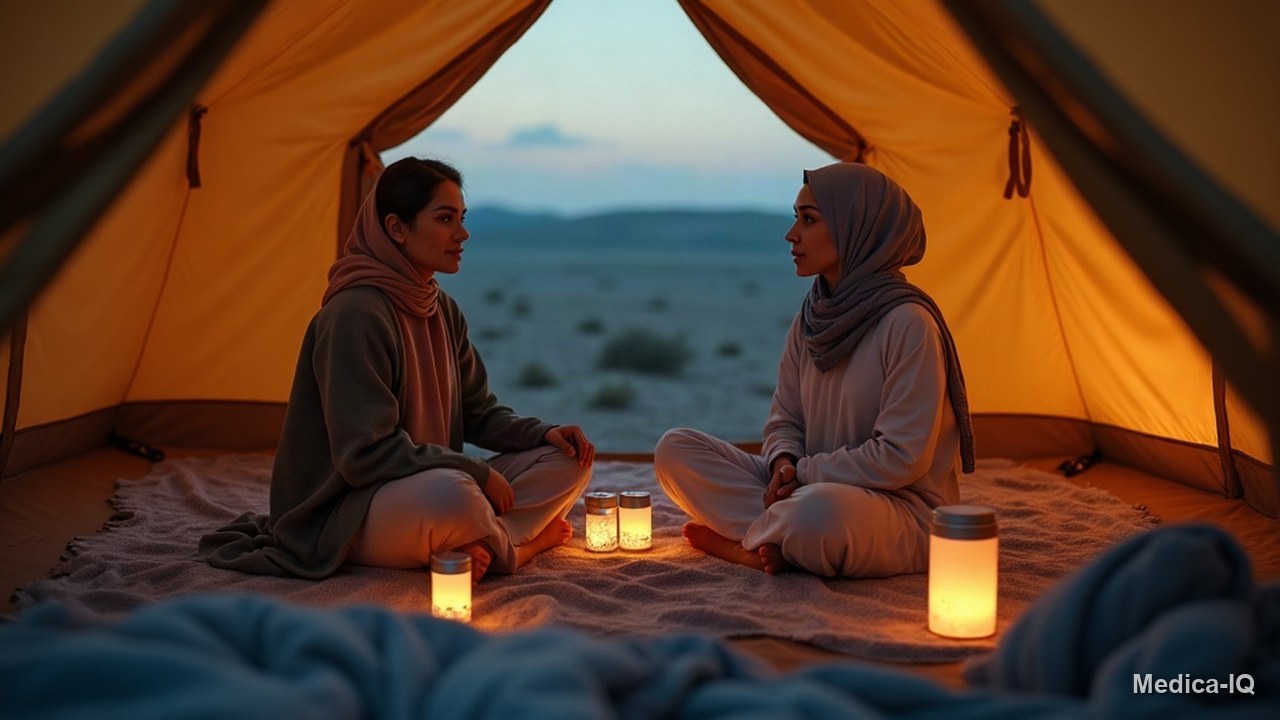
How to Sleep Comfortably in a Tent
Getting quality rest in nature often depends on your preparation and the environment you create. To improve your sleep, focus on these areas:
Site Selection and Atmosphere
- Pick the right ground: Look for a flat area large enough for your tent with room to enter and exit. Avoid spots with many rocks, protruding roots, or areas where rain might cause water to pool.
- Manage noise: Use a smartphone app or a battery-operated white noise machine to block out unfamiliar sounds.
- Wind down: Spend time relaxing before bed. Try listening to soft music with headphones, reading by a lantern, or doing deep breathing exercises.
Temperature Control
The ideal sleep temperature is generally between 65 and 68 degrees Fahrenheit.
- Cold weather: Use a seasonal sleeping bag, a beanie, and thick socks to stay warm.
- Warm weather: Use a sleeping bag liner or vent your bag to prevent overheating.
Clothing
Wear breathable, moisture-wicking layers. Keep a dedicated set of clothes specifically for sleeping to ensure they stay dry and clean.
Choosing Camping Gear for Comfort
The surface you sleep on is essential for a restorative night. Depending on your needs, consider these options:
- Sleeping Pads: These provide cushioning and insulation. Options include foam, air, or self-inflating pads.
- Air Mattresses: These are ideal for car camping to mimic a home bed. Choose puncture-resistant models that are tall enough to prevent you from touching the ground and provide adequate insulation.
- Cots: These elevate you off the ground, making it easier to get in and out of bed and keeping your bedding dry if water enters the tent.
- Pillows: To keep your spine and neck aligned, use a compressible camping pillow, an inflatable version, or a stuffed sack or jacket.
How to Sleep in a Tent With CPAP
If you use a CPAP machine for obstructive sleep apnea, you can still camp comfortably with the right gear comfort adjustments:
- Portable Devices: Use a travel-specific CPAP machine, as standard models are often too bulky.
- Power Sources: Since outlets are rarely available, bring a portable CPAP battery.
- Specialized Accessories: Use flexible tubing, low-profile masks, and a dedicated travel case.
- Setup: Arrange your machine in a safe, warm spot inside the tent before it gets dark.
FAQ
What should I sleep on when camping?
Depending on your preference, you can use a sleeping pad for insulation, an air mattress for a bed-like feel, or a cot to stay elevated off the ground.
How can I stay warm while sleeping in a tent?
Use a sleeping bag rated for the current season and wear a cozy hat or thick socks.
How do I use a CPAP machine while camping?
Use a portable travel machine powered by a dedicated battery and protect the device from the elements inside your tent.
When to See a Doctor
Consult a healthcare provider if you have obstructive sleep apnea and need guidance on managing your CPAP therapy while traveling, or if you experience chronic insomnia that persists regardless of your sleeping environment.
Disclaimer: This content is for informational purposes only and does not constitute medical advice. Always consult a healthcare professional for medical concerns.
Related articles
- Sleep and Heart Health: Heart Association Confirms Link
- Daytime Tiredness: Do You Need More Sleep or Something Else?
- Sleep Paralysis Causes and Symptoms: A Complete Guide
- Understanding the Common Causes of Insomnia
- More about Sleep & Sleep Disorders
Illustration: AI-generated
approved by: Medica Health team