Insomnia in seniors is a frequent sleep disorder where older adults struggle to fall or stay asleep, though it is not an unavoidable part of aging.
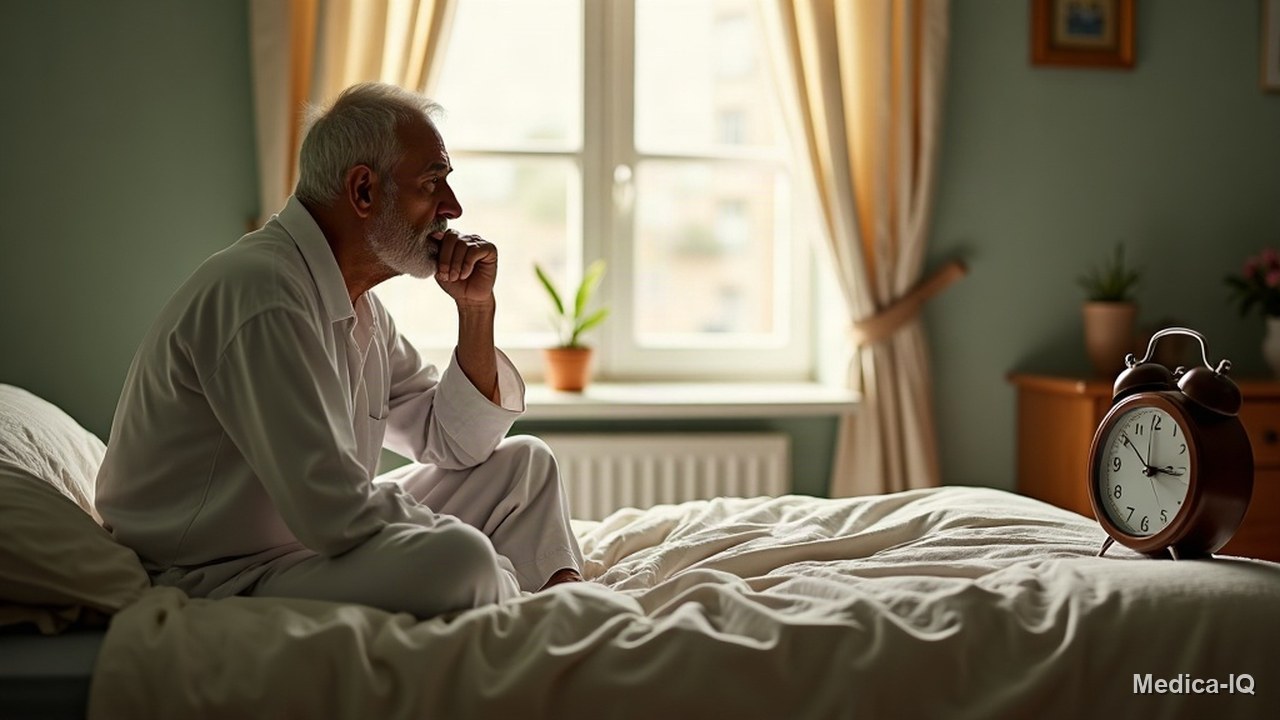
What Causes Insomnia in Seniors?
Several factors contribute to sleep disruptions as people age. The body’s internal clock and sleep-wake cycles change, often making it harder to process circadian signals. This can lead to earlier bedtimes and wake-up times.
Sleep architecture also shifts. Older adults typically experience less deep slow-wave sleep and REM sleep, making them more likely to wake up during the night. Additionally, medical conditions, psychiatric issues, and certain medications used to treat geriatric health problems can trigger sleep disturbances. Some data suggests that starting in middle age, people may lose an average of 27 minutes of sleep per night every decade.
Symptoms of Insomnia in Seniors
A diagnosis is based on specific criteria even when a person has a comfortable environment and enough time for rest. Common signs include:
- Difficulty falling asleep or staying asleep.
- Waking up earlier than intended.
- Feeling a resistance to going to bed at a normal time.
- Needing a caregiver’s help to sleep.
These issues must be accompanied by daytime problems, such as irritability, mood changes, fatigue, or trouble focusing. If these symptoms happen three or more times a week for at least three months, it is classified as chronic insomnia in seniors.
Doctors distinguish between primary insomnia, which occurs on its own, and secondary insomnia, which is caused by another medical or mental health condition.
Treatment for Insomnia in Seniors
The first approach usually involves sleep education and improving sleep hygiene.
Lifestyle and Environment
- Keep a consistent wake and sleep schedule every day, including weekends.
- Keep the bedroom dark, quiet, and below 75 degrees Fahrenheit (23.9 degrees Celsius).
- Avoid using computers, phones, or televisions in bed due to blue light.
- Limit caffeine in the evening and avoid using alcohol to fall asleep.
- Exercise during the day, but finish workouts at least three hours before bed.
- Limit naps to the morning or early afternoon.
Non-Drug Therapies
- Cognitive Behavioral Therapy (CBT-I): This helps replace negative beliefs about sleep with positive, informed mindsets.
- Stimulus Control: Patients only go to bed when tired. If they are awake after 20 minutes, they leave the room until they feel sleepy.
- Sleep Restriction: Using a sleep diary, a doctor may limit the time spent in bed until sleep efficiency reaches 90%.
- Bright Light Therapy: Evening exposure to bright light can help those who wake up too early stay awake longer.
Medications
If other methods fail, doctors may prescribe medication. Some options include ramelteon, which targets melatonin receptors, or suvorexant, which blocks wakefulness-inducing neuropeptides. Over-the-counter antihistamines are another option. However, doctors use caution with benzodiazepines and Z-drugs because they can increase the risk of falls and dependence in older patients.
Other Sleep Disorders for Seniors
Beyond insomnia, other sleep disorders for seniors are common and can complicate treatment.
- Circadian Rhythm Disorders: These occur when the internal clock is misaligned. For example, advanced sleep-wake phase disorder causes people to feel sleepy between 7 p.m. and 9 p.m. and wake between 3 a.m. and 5 a.m.
- Breathing Disorders: Obstructive and central sleep apnea are prevalent, often causing heavy snoring and daytime sleepiness. CPAP therapy is a common treatment.
- Movement Disorders: Restless legs syndrome and periodic limb movements (more than 15 involuntary movements per hour) can disrupt sleep.
- REM Sleep Behavior Disorder: This involves physically acting out dreams, which can be dangerous. It is frequently seen in elderly men and is linked to conditions like Lewy body dementia.
FAQ
How much sleep do seniors need?
Generally, older adults need at least seven hours of sleep per night to remain alert and feel rested.
How common is insomnia in the elderly?
Estimates suggest that between 10% and 30% of adults have insomnia, with those aged 60 and older being more susceptible.
Why do seniors have trouble sleeping?
Trouble sleeping often stems from changes in the internal circadian clock, a decrease in deep sleep stages, and a higher prevalence of medical conditions or medications that interfere with rest.
When to See a Doctor
Consult a healthcare provider if you experience:
- Persistent difficulty falling or staying asleep.
- Excessive daytime sleepiness that affects safety or social life.
- Frequent nighttime awakenings.
- Violent movements during sleep that put you or a partner at risk.
Medical Disclaimer: This content is for informational purposes only and does not constitute medical advice. Always seek the guidance of your physician regarding a medical condition or treatment.
Related articles
- Can Lack of Sleep Cause a Brain Stroke?
- night sleep better: How to Get a Better Night Sleep
- Should I Take Naps Post Workout? Benefits and Tips
- Mirtazapine for Sleep: Dosage, Side Effects, and Usage
- More about Sleep & Sleep Disorders
Illustration: AI-generated
approved by: Medica Health team