Learn the safety guidelines for infant sleep positions and how to help your child start sleeping through the night safely.
Safe Sleep Positions for Infants
Medical experts advise placing infants on their backs for every sleep session, including naps, until they reach at least 1 year of age. This practice is recommended to lower the chance of sudden infant death syndrome (SIDS), the primary cause of death for children between 1 month and 12 months old. After their first birthday, children can transition to sleeping on their stomachs or in other positions.
If a baby learns to roll from their back to their stomach between 4 and 6 months, caregivers do not need to flip them back. The priority is to always begin the sleep period on the back in a secure environment.
Tummy Time and Head Shape
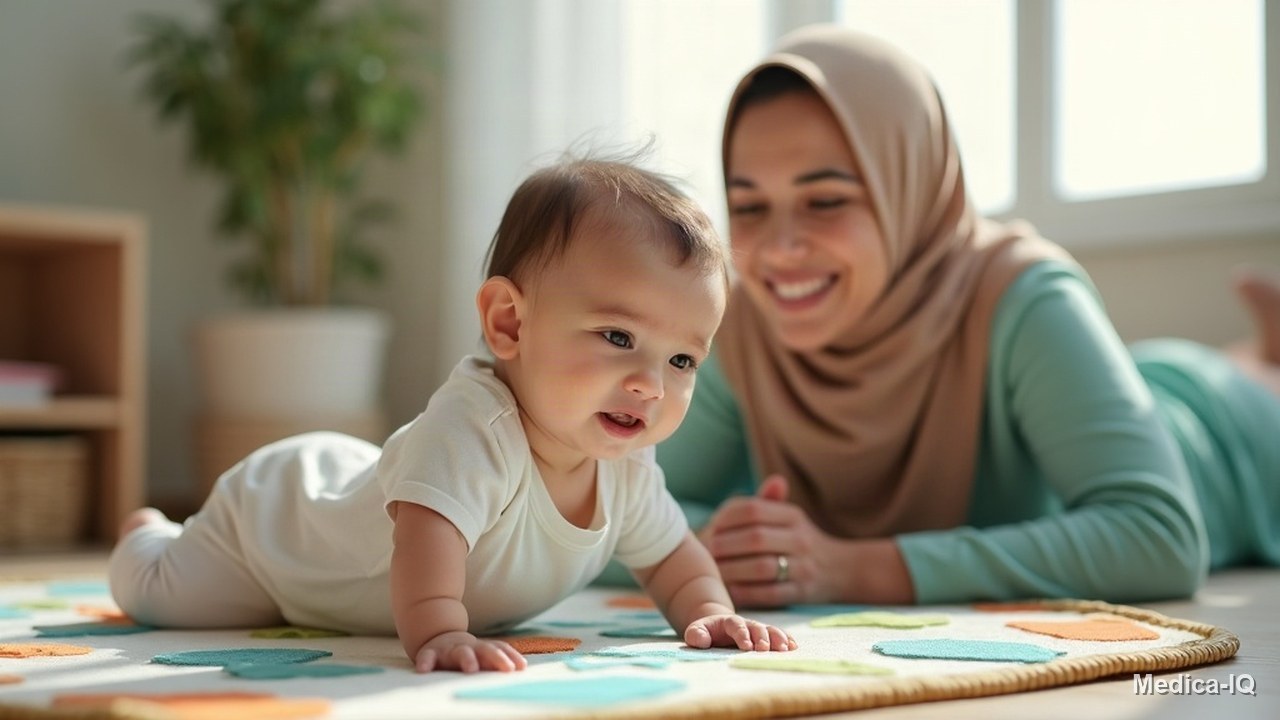
Stomach sleeping is unsafe for rest, but supervised “tummy time” while awake is vital. This activity builds the motor skills and strength infants need for crawling and walking. Experts suggest at least 30 minutes of daily tummy time, which can begin as short sessions of 3 to 5 minutes.
To prevent flat spots on the back of the head, caregivers can:
- Provide frequent tummy time.
- Change the direction the baby faces on the mattress every week.
- Limit time in bouncy seats or carriers that press on the skull.
- Hold the infant vertically while they are awake.
Creating a Secure Sleep Environment
To help your child start sleeping through the night safely, follow these precautions:
- The Sleep Surface: Use a firm, approved bassinet or crib with a tight fitted sheet. Remove all pillows, toys, bumper pads, and loose blankets.
- Room Sharing: Keep the infant in the same room as caregivers in a separate sleep space for the first year. This may lower SIDS risk by up to 50%.
- Temperature Control: Keep the room around 65°F or between 68 and 72°F. Use light clothing or wearable blankets to avoid overheating.
- Air Quality: Ensure the baby is not exposed to cigarette smoke.
- Pacifier Use: Offering a pacifier during sleep can reduce SIDS risk by up to 90%. Breastfeeding parents may wait 3 to 4 weeks before introducing one.
FAQ
Is it OK to put your baby down on their stomach?
Only during supervised awake time. This is called tummy time and is essential for development, but it should never be used as a sleep position for infants under 1 year.
What should I do if my baby rolls onto their stomach while asleep?
If your baby can roll independently, you do not need to reposition them. Ensure they always start sleep on their back in a crib free of soft objects.
How can I tell if my baby is overheating?
Check the baby’s chest or stomach for warmth. Signs of overheating include a warm chest or sweating.
When to See a Doctor
Consult a pediatrician if you notice these warning signs:
- The baby’s skin remains very warm or very cool to the touch despite adjusting the room temperature.
- Signs of hypothermia, such as grey or pale skin, limpness, or difficulty breathing.
- The infant is experiencing vomiting, irritability, or fatigue.
- You have concerns about flat spots developing on the child’s head.
Medical Disclaimer: This content is for informational purposes only and does not constitute professional medical advice. Always seek the guidance of your pediatrician or qualified health provider with any questions regarding a medical condition.
Related articles
- What is the STOP-Bang Score? Sleep Apnea Screening Guide
- What Is the Best Time to Exercise for Sleep?
- Home Remedies for Restless Legs Syndrome: Relief Tips
- Insomnia in Seniors: Symptoms, Causes, and Treatment
- More about Sleep & Sleep Disorders
Illustration: AI-generated
approved by: Medica Health team