Medical facts show that breastfeeding reduces the likelihood of developing cancerous breast tumors by helping to lower the influence of hormones that trigger their growth.
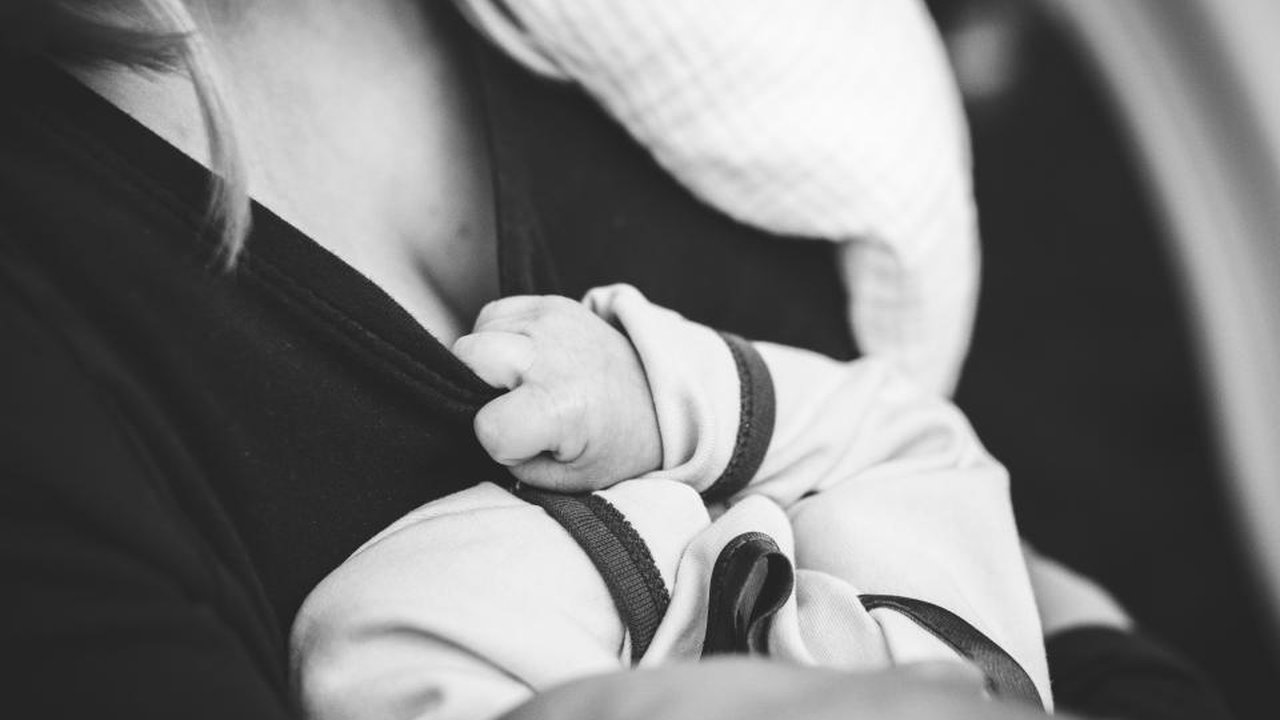
The Relationship Between Breast Tumors and Breastfeeding
Breastfeeding does not increase the risk of cancer; rather, it is considered a positive preventive factor. Data indicates that the rate of cancer among breastfeeding women is very low, not exceeding 3%. However, a breast lump during breastfeeding may appear due to hormonal changes or shifts in breast size, and most of these lumps are non-cancerous.
Types of Breast Lumps During Breastfeeding
There are several reasons why lumps may appear in the breast during this period, including:
- Blocked Milk Ducts: These appear as sudden hard nodules accompanied by redness and heat. They are more likely to occur when wearing tight bras or if the infant’s feeding schedule is irregular.
- Mastitis: This occurs when bacteria from the baby enter cracks in the breast skin, accompanied by fever, nausea, and extreme fatigue; it is treated with antibiotics.
- Lipomas: Soft fatty lumps that move easily under the skin, generally cause no pain, and usually require no treatment.
- Benign Tumors: These appear due to hormonal imbalances and are typically firm, round, and mobile. They often disappear spontaneously, such as galactoceles and fibroadenomas.
Managing Cancerous Breast Tumors During Breastfeeding
If a cancerous condition is diagnosed, breastfeeding must stop completely because treatments affect the infant and the milk supply. Treatment options vary based on the stage and spread of the disease:
- Surgery: This includes the removal of the tumor or the breast. Based on this, the doctor determines if returning to breastfeeding is possible.
- Chemotherapy: Breastfeeding is prohibited during its use because chemical agents may appear in the milk and harm the child.
- Radiation Therapy: The doctor decides based on each woman’s individual case whether she can continue or must stop breastfeeding.
Ways to Relieve Breast Pain During Breastfeeding
Pain can be reduced by following these steps:
- Improve Latching Position: Ensure the nipple and the surrounding area are in the baby’s mouth, and rotate the baby’s entire body toward the breast.
- Local Care: Use cool water compresses (not freezing) or breastfeeding ointments that are safe for the infant.
- Medication: Pain relievers such as ibuprofen or paracetamol can be used.
- Consultation: Visit a breastfeeding specialist for training on the correct technique.
When Should You Visit a Doctor?
You should see a doctor immediately if warning signs appear, such as:
- Lumps that do not disappear or increase in size.
- A feeling that the lump is attached to the breast tissue and does not move when pressed.
- Changes in skin color, peeling, or a change in the shape of the breast.
- Bloody discharge from the nipple or the appearance of a rash.
- High body temperature accompanied by chills and shivering.
Frequently Asked Questions
What breast lumps are benign?
Benign tumors are round, firm, and mobile lumps that appear due to hormonal imbalances during breastfeeding and usually resolve on their own.
What causes breast lumps during breastfeeding?
Causes vary between blocked milk ducts, bacterial infections, or the appearance of fatty (lipoma) or benign growths.
When is breast pain abnormal?
Pain is considered abnormal if it is accompanied by fever, bloody discharge from the nipple, severe redness, or a skin rash.
Disclaimer: This content is for informational purposes only and is not a substitute for professional medical advice.
Related articles
- Placenta Previa: Symptoms, Diagnosis, and Treatment
- When Does Your Period While Breastfeeding Return?
- Epididymitis and Infertility: Causes and Risks
- Tubal Ligation Reversal: Success Rates, Cost & Recovery
- More about Breastfeeding
Photo: Jordan Whitt, CC0 1.0, via stocksnap.io
approved by: Medica Health team