Healthcare facilities implement infection control in hospitals to limit the spread of microbes among patients, visitors, and medical staff to reduce serious health risks.
Risks and Sources of Acquired Infections
These infections occur when pathogenic microorganisms reach patients or workers from various sources, including:
- The surrounding environment, such as air, water, and foods prepared in the hospital kitchen.
- Medical devices that enter or touch the body, such as feeding tubes, ventilators, and urinary catheters.
- Transmission of microbes from one patient to another via medical staff in the absence of sterilization.
- Self-infection of the patient or transmission of infection to visiting persons.
These microbes are transmitted through droplets produced by coughing and sneezing, direct contact, air, sharing personal items, or even via insects.
Germs Causing Hospital Infections
The microbes that cause these infections vary. The germs causing hospital infections can be classified according to their prevalence and importance into four main types:
- Bacteria.
- Viruses.
- Fungi.
- Parasites in special cases.
Groups Most Susceptible to Infection
The likelihood of exposure to infection increases for some patients, especially those over 70 years old or young children. Most susceptible groups also include:
- Those undergoing surgery or chemotherapy for tumors.
- People with immune diseases, chronic diseases, or acute renal failure.
- Patients in a coma or those staying for long periods in intensive care.
- Users of urinary catheters or those with pneumonia.
Infection Control in Hospitals Procedures
Approved prevention policies include a set of strict measures:
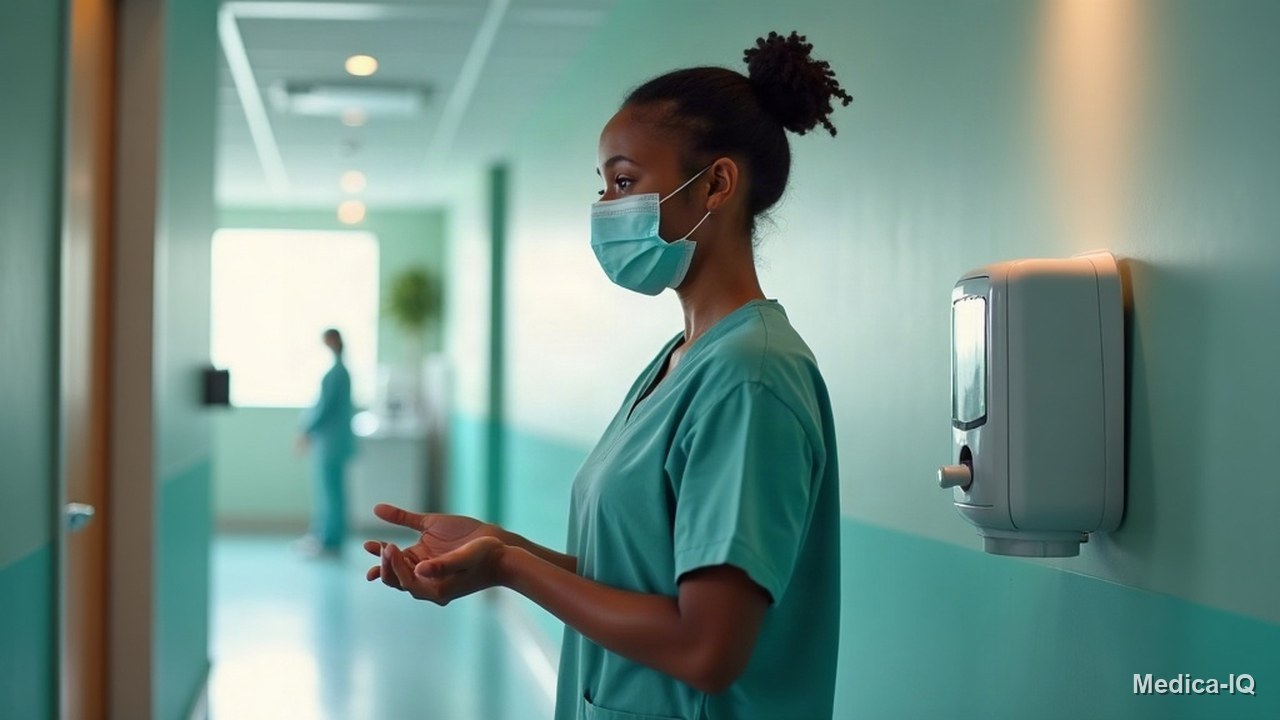
- Hand Hygiene: Washing hands with soap and water for at least 40 seconds (inside, outside, and between fingers) and drying them with paper towels, or using alcohol gel provided the hands are not wet or dirty.
- Protective Equipment: Wearing medical gloves after washing hands, using masks, head covers, and face shields when necessary, and wearing designated clothing during examinations.
- Sterilization and Monitoring: Ensuring the cleanliness of surfaces and reusable equipment, and monitoring the sterilization of the kitchen and laundry.
- Waste Management: Separating medical waste into designated bags according to their risk level, such as waste from hepatitis or AIDS.
- Visitor Guidelines: Avoiding kissing or shaking hands with patients and adhering to hand washing before moving from one patient to another.
FAQ
How can a patient protect themselves from infection?
A patient can ensure that the medical staff uses new, unused needles when drawing blood and ensure the cleanliness of the surrounding surfaces.
What is the primary means of transmitting germs in the hospital?
Unclean hands are considered the primary source of transmitting microbes between patients and healthcare staff.
Do these infections affect non-patients?
Yes, they may directly or indirectly affect doctors, nurses, laboratory technicians, service staff, as well as visitors.
When to Consult a Doctor Immediately?
The medical team should be notified if abnormal signs appear during or after a hospital stay, such as:
- A sudden rise in temperature.
- The appearance of infections at the surgical site.
- Symptoms of pneumonia or urinary tract infections related to catheter use.
- The appearance of a skin rash or unexplained signs of infection.
Disclaimer: This content is for informational purposes only and is not a substitute for professional medical consultation.
Related articles
- Does Happiness Have a Smell? Scientific Insights
- Gangrene: Causes, Symptoms, and Treatment Options
- Effective Dengue Fever Treatment and Care Guide
- Understanding Global Malaria Prevalence and Prevention
- More about Infectious Diseases
Illustration: AI-generated
approved by: Medica Health team