Learn about the common reasons people snore, how it differs from sleep apnea, and the lifestyle changes that can help reduce the noise.
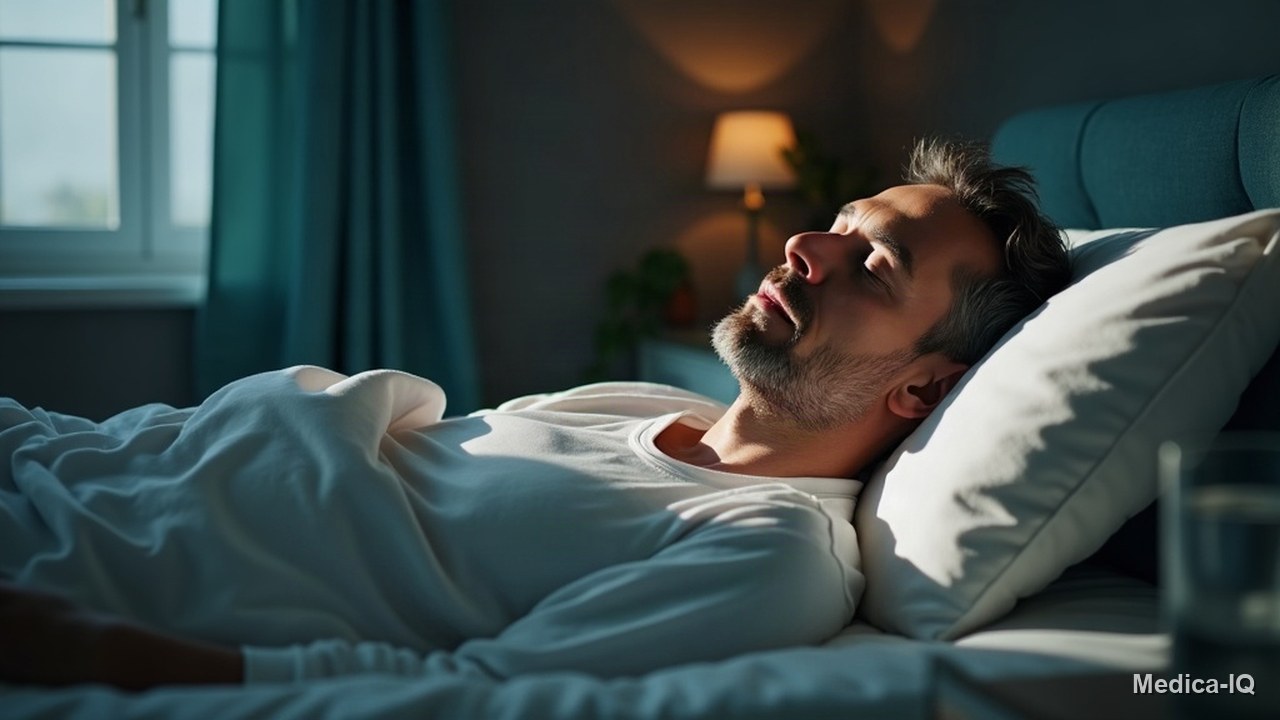
What Causes Snoring?
A snore happens when air cannot move freely through the nose, mouth, or throat during sleep. This partial blockage causes the surrounding tissues to vibrate, creating sound. The intensity and frequency of the noise often depend on how restricted the airflow is.
Several factors can contribute to this issue:
- Physical Anatomy: A small jaw, enlarged tonsils, or a large tongue can narrow the airway. A deviated septum—where the wall between nostrils is crooked—can also restrict breathing.
- Weight and Age: Extra tissue around the neck from obesity can compress the airway. As people age, the muscles supporting the throat may weaken.
- Nasal Issues: Chronic congestion from infections, allergies, or nasal polyps can make it harder to breathe.
- Lifestyle Choices: Smoking may cause inflammation in the upper airway. Using sedatives or drinking alcohol before bed relaxes throat muscles, which often makes the sounds louder.
- Sleep Position: Sleeping on the back allows gravity to pull airway tissues downward, narrowing the passage.
- Medical Conditions: An underactive thyroid (hypothyroidism) can lead to snoring.
Snoring and Obstructive Sleep Apnea
While many people snore occasionally, frequent or loud sounds can be a sign of obstructive sleep apnea (OSA). This is a disorder where the airway collapses or blocks, causing breathing to stop and start.
It is common to snore without having OSA. For adults aged 30 to 60, habitual snoring affects about 44% of men and 28% of women, but less than a third of these individuals have sleep apnea. However, most people with OSA do snore.
CPAP machines are highly effective at stopping the vibrations and breathing pauses associated with OSA. Because they treat a medical disorder rather than simple noise, doctors rarely prescribe them for those who do not have sleep apnea.
How to Reduce the Noise
Depending on the cause, there are several ways to manage the sound:
- Positional Therapy: Using special pillows or alarms to encourage side-sleeping instead of sleeping on the back.
- Weight Management: Reducing excess weight to clear the airway.
- Oral Exercises: Myofunctional therapy involves mouth and throat exercises to strengthen weak muscles.
- Medical Aids: Nasal steroids or decongestants for congestion, or dental devices and surgery for anatomical issues.
- Habit Changes: Quitting smoking and avoiding alcohol several hours before bedtime.
When to See a Doctor
You should seek medical advice if your snoring is accompanied by these warning signs:
- Gasping, snorting, or choking sounds during the night.
- Observed pauses in breathing.
- Waking up frequently or feeling short of breath.
- Excessive sleepiness or impaired concentration during the day.
- Headaches upon waking.
FAQ
Is snoring bad?
Occasional noise is usually harmless. However, chronic sounds can lower sleep quality for both the sleeper and their partner and may indicate an underlying health issue.
Does a deviated septum cause snoring?
Yes, a crooked nasal wall can restrict airflow through the nose, which often leads to mouth breathing and vibrations in the throat.
Can snoring cause a sore throat?
Yes. Breathing through the mouth during sleep can irritate and dry out throat tissues, leading to a sore throat or dry mouth in the morning.
What are the alternatives to CPAP for snoring?
For those without sleep apnea, options include losing weight, changing sleep positions, using oral appliances, or performing throat exercises.
Disclaimer: This content is for informational purposes only and does not constitute medical advice. Always consult a healthcare provider for diagnosis and treatment.
Related articles
- Essential Baby Sleep Safety Guidelines
- Managing Parkinson’s Sleep Disorder: Tips & Treatments
- Open Your Window for a Restful Sleep
- Lifting Weights vs. Cardio: Which Is Better for Sleep?
- More about Sleep & Sleep Disorders
Illustration: AI-generated
approved by: Medica Health team