Learn about Micro CPAP devices, an experimental, maskless approach to treating obstructive sleep apnea that is currently in early development.
Understanding Micro CPAP Devices
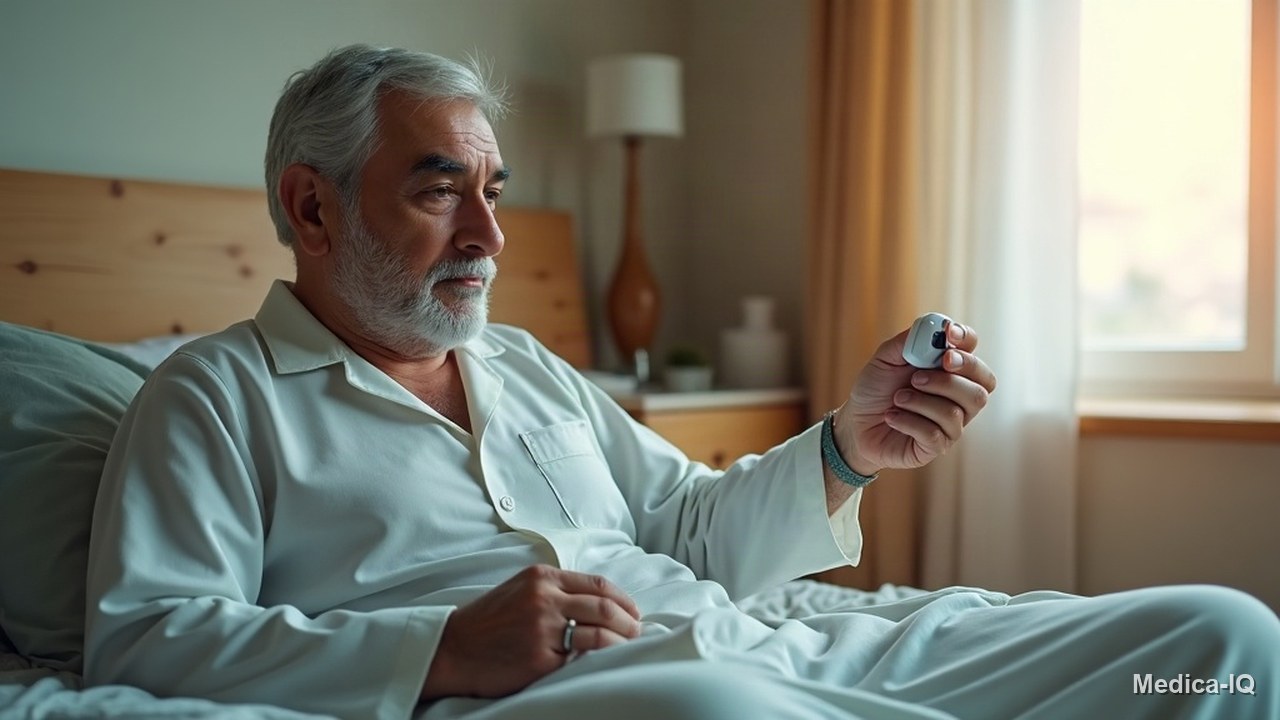
A micro CPAP is a small, battery-operated tool designed to treat obstructive sleep apnea (OSA) with less intrusion than standard equipment. Unlike traditional machines, the prototype for this technology is maskless and hoseless. It uses silicon buds that fit inside the nostrils, with the main body of the device resting just below the nose.
These experimental tools use “microblowers,” which are tiny pumps that use electrostatic charges to push air into the airway. The current design is intended for single use with a battery life of eight hours.
How Micro CPAP Differs From Traditional Therapy
Standard CPAP therapy involves a tabletop unit, a hose, and a face mask. These systems require regular cleaning and filter changes. In contrast, the micro CPAP prototype aims to eliminate bulky hardware.
There are significant differences in functionality:
- Pressure Levels: Standard machines typically offer pressure settings between 4 and 20 cm H2O. While developers claim the micro version can exceed 20 cm H2O, a 2020 update showed they only reached about 5 cm H2O.
- Moisture: Traditional machines often use humidifiers to prevent dry mouth or nose. The micro prototype intends to address these issues automatically without a humidifier.
- Control: While standard machines are well-established, future versions of the micro device may eventually self-adjust to a patient’s breathing.
It is important to distinguish these experimental prototypes from “travel CPAP” or “micro” machines already on the market. Travel versions are simply smaller, approved versions of traditional machines and are not the same as the maskless micro technology.
Are Micro CPAP Machines Approved?
No, these maskless devices have not received approval for treating sleep apnea. Because they are still in the prototype stage and lack thorough patient testing, it is unknown when or if they will be cleared for public use.
Alternatives for Obstructive Sleep Apnea
Since the maskless micro technology is not yet available, patients may consider other options:
- EPAP Therapy: This cleared class 2 device uses nasal valves to create pressure during exhalation.
- Medications: Zepbound (tirzepatide) is an approved medication for adults with obesity who have OSA. Another drug, SynAIRgy, is in development and may seek approval in early 2026.
FAQ
What is a micro CPAP device?
It is an experimental, battery-powered alternative to traditional CPAP machines that uses small nasal buds instead of a mask and hose.
Do micro CPAP machines work as a treatment for OSA?
Their efficacy is currently unproven because the technology is still in the early stages of development and testing.
How do micro CPAP machines work?
They use tiny displacement pumps called microblowers to create positive airway pressure via electrostatic charge.
Micro CPAP vs. traditional CPAP: what’s the difference?
Traditional CPAP uses a tabletop machine, hose, and mask, whereas the micro prototype is a small, single-use device that sits under the nostrils.
When to See a Doctor
Consult a healthcare provider if you experience chronic snoring, daytime exhaustion, or waking up gasping for air. You should seek medical advice if you find traditional CPAP therapy too restrictive or if you are looking for approved alternatives to manage your sleep apnea.
Disclaimer: This content is for informational purposes only and does not constitute medical advice. Always seek the guidance of a qualified health provider regarding a medical condition.
Related articles
- Best Pregnancy Sleep Positions for Comfort and Safety
- Understanding Lack of Sleep Fatigue Symptoms
- UPPP Surgery: Procedure, Recovery, and Cost Guide
- How a Daylight Saving Time Bill Could Affect Your Sleep
- More about Sleep & Sleep Disorders
Illustration: AI-generated
approved by: Medica Health team