Diverticulitis occurs when small pouches in the colon become inflamed or infected. This condition is a complication of diverticulosis, where pouches form but cause no issues.
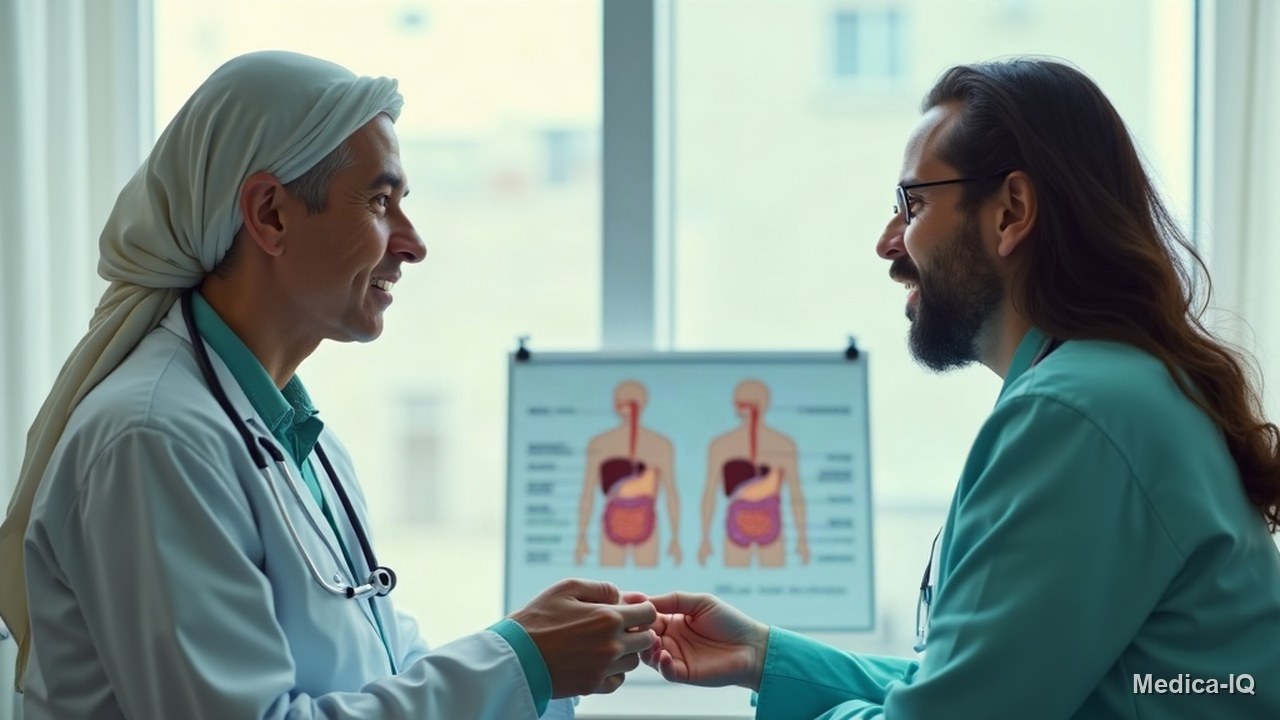
Understanding Diverticulitis and Its Types
Diverticulosis is the presence of small bulges called diverticula in the intestinal wall. When these pouches become infected or swollen, the condition is called diverticulitis. Together, these are known as diverticular disease.
There are several forms of the condition:
- Uncomplicated: The most frequent type, which typically responds well to treatment.
- Acute: Symptoms appear suddenly and resolve quickly with medical care.
- Chronic: Characterized by recurring episodes or inflammation that never fully clears.
- Complicated: Inflammation that leads to further issues, such as scarring or a rupture of the bowel.
Common Diverticulitis Symptoms
The most frequent sign is intense abdominal pain. While this usually occurs on the lower left side, people of Asian descent may experience pain on the right side. The sensation can be burning or sharp and may last for several days. In some cases, pain may radiate to the pelvis or lower back.
Other diverticulitis symptoms include:
- Fever and chills
- Nausea and vomiting
- Abdominal tenderness or bloating
- Changes in bowel habits, such as diarrhea, constipation, or thin stools
- Rarely, rectal bleeding or an increased need to urinate
Diverticulitis Causes and Risk Factors
Diverticula form when weak spots in the colon wall bulge outward. Diverticulitis happens when these pouches tear or trap undigested food, leading to infection. While the exact cause is unknown, genetics and aging are significant factors; the condition is more common in people over 40.
Risk factors include:
- Low fiber intake and high consumption of red meat or refined foods
- Smoking and lack of regular physical activity
- Being overweight
- Use of certain medications, such as steroids, opioids, or NSAIDs like naproxen and ibuprofen
- Low levels of vitamin D
Diagnosis and Diverticulitis Treatment
To diagnose the condition, doctors perform a physical exam and may conduct a digital rectal exam. They use various tests to confirm the diagnosis and rule out other issues:
- Imaging: CT scans, X-rays, or a lower GI series.
- Procedures: A colonoscopy to view the colon lining.
- Labs: Blood, urine, and stool tests to check for infection or anemia.
Diverticulitis Treatment Options
For mild cases, doctors recommend bowel rest. This starts with a liquid diet consisting of water, broth, plain tea, coffee, and pulp-free juices. As recovery progresses, patients move to low-fiber foods like eggs, white rice, pasta, and skinless cooked vegetables.
More severe cases may require:
- Hospitalization for intravenous antibiotics.
- Drainage of abscesses (pus collections).
- Surgery, such as a primary bowel resection to remove diseased sections or a temporary colostomy.
Diverticulitis Prevention and Diet
A high-fiber diet is key to preventing flare-ups. Whole grains, vegetables, and fresh fruits help soften stool and reduce pressure in the colon. Adding fiber gradually helps avoid gas. Drinking plenty of fluids—such as eight 8-ounce glasses of water daily—is necessary for fiber to work effectively.
Other prevention steps include:
- Regular exercise for at least 30 minutes most days.
- Avoiding smoking and excessive alcohol.
- Using natural laxatives like prunes or psyllium seed if constipated.
FAQ
What does a diverticulitis flare-up feel like?
It often feels like sharp, penetrating, or burning pain in the abdomen, usually on the lower left side, accompanied by fever and nausea.
How is diverticulitis diagnosed?
Doctors typically use a combination of a physical exam, blood tests, and imaging, most commonly a CT scan, to identify inflamed pouches.
Does diverticulitis go away on its own?
Mild, uncomplicated cases may resolve in about a week, but medical consultation is still necessary to prevent severe complications.
Is it serious?
While most cases are mild, it can be life-threatening if it leads to peritonitis (infection of the abdominal lining) or a bowel rupture.
When to See a Doctor
Contact a healthcare provider if you have persistent, intense belly pain. Seek emergency care immediately if you experience:
- Blood in your stool
- A fever exceeding 100.4 F (38 C)
- Severe, sudden pain in the back or abdomen
- A rigid abdomen that is painful to move
- Uncontrollable vomiting or chills
Medical Disclaimer: This information is for educational purposes only and is not a substitute for professional medical advice, diagnosis, or treatment.
Related articles
- Managing Colon Inflammation Through Nutrition
- What is a Colon Cleanse and Is It Safe?
- Understanding Hirschsprung Disease: Symptoms and Treatment
- Debunking Common Myths with Medical Facts
- More about Intestines & Colon
Illustration: AI-generated
approved by: Medica Health team