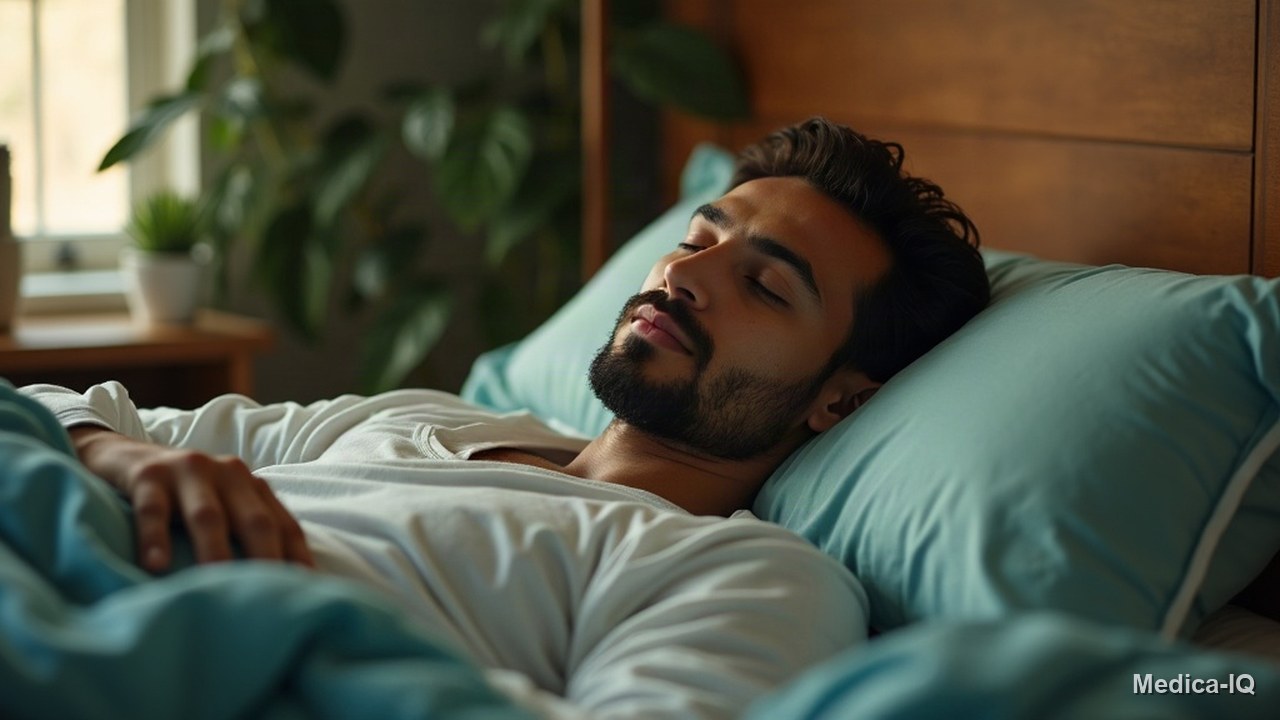
Sleeping with your mouth open can be a habit or a sign of breathing issues, often leading to dry mouth and poor sleep quality.
What Causes This Habit?
People may breathe through their mouths at night for several reasons. Some causes are temporary, such as a common cold or allergies that lead to nasal congestion. Other factors are anatomical, including:
- Nasal Blockages: Nasal polyps (growths in the nose lining) or a deviated septum (a crooked wall between nostrils) can obstruct airflow.
- Dental Issues: Misaligned teeth may make it difficult to keep the mouth fully closed.
- Sleep Disorders: Obstructive sleep apnea (OSA) often causes mouth breathing. In children, swollen adenoids in the back of the throat are a frequent cause of OSA.
- Foreign Objects: Young children may accidentally place objects in their nostrils, blocking the nasal passage.
Sleeping With Your Mouth Open Side Effects
While occasional mouth breathing is usually harmless, chronic cases can lead to several health complications. Because saliva is necessary to protect the mouth and dissolve food, a lack of it can cause:
- Oral Health Problems: An increased risk of tooth decay, gum irritation, and oral yeast infections.
- Throat and Mouth Discomfort: Waking up with a sore throat, cracked lips, or a dry mouth.
- Sleep Disruptions: Fragmented sleep, loud snoring, and morning headaches due to low oxygen levels.
- General Fatigue: Daytime brain fog and sleepiness.
- Treatment Interference: For those using positive airway pressure (PAP) therapy for sleep apnea, an open mouth can cause air leaks, making the treatment less effective.
Some evidence suggests that chronic mouth breathing in children may change the shape of the face and mouth, though research results on this are inconsistent.
How to Stop Sleeping With Your Mouth Open
If you frequently experience a sore throat or dry mouth from this habit, several strategies may help promote nasal breathing:
Clear the Nasal Passages
Using a humidifier, saline rinses, or nasal sprays before bed can reduce congestion. Allergy medications may also be helpful if used as directed by a physician.
Adjust Sleep Habits
- Positioning: Sleeping on your side or in an upright position may open the airways.
- Nasal Strips: Adhesive strips may pull nostrils open to improve airflow, though some studies show inconsistent results regarding their effectiveness.
- Mouth Taping: Some use a soft patch or tape to keep the mouth closed. However, this can be dangerous for people with obstructed nasal passages, as it removes their backup airway and may worsen sleep apnea.
Medical Interventions
Doctors may recommend CPAP therapy or oral appliances for sleep apnea. In severe cases, surgery may be necessary to remove nasal polyps or swollen adenoids.
When to Talk to a Doctor
Consult a healthcare provider if you experience the following warning signs:
- Frequent morning headaches or a persistent sore throat.
- Loud snoring, gasping for air, or stopping breathing during sleep.
- Chronic nasal congestion or difficulty breathing through the nose.
- Dental decay or gum issues linked to mouth dryness.
- Excessive daytime fatigue despite a full night of rest.
Special Note for Parents: Contact a doctor immediately if a newborn sleeps with their mouth open. Also, seek medical advice if a child begins snoring, wets the bed after previously stopping, or has difficulty concentrating and morning headaches.
FAQ
Is sleeping with your mouth open is bad?
Occasional mouth breathing during a cold is not harmful. However, chronic mouth breathing is considered problematic because it reduces saliva, which can lead to tooth decay, bad breath, and disrupted sleep.
What does sleeping with your mouth open mean?
It often means there is an obstruction in the nasal passages or an underlying condition like obstructive sleep apnea. It can also simply be a habit.
Can dehydration make you sleep with your mouth open?
Dehydration does not cause the mouth to open, but mouth breathing increases fluid loss, which worsens dehydration and causes the mouth to feel drier.
Medical Disclaimer: This article is for informational purposes only and does not constitute medical advice. Always seek the advice of your physician or other qualified health provider with any questions you may have regarding a medical condition.
Related articles
- How Does Soda Affect Sleep? Impact and Better Alternatives
- Why Are Your Hands Going Numb While Sleeping?
- How Does Sleep Affect School Performance?
- Sleep Apnea and Kidney Health Connection
- More about Sleep & Sleep Disorders
Illustration: AI-generated
approved by: Medica Health team