Recent research suggests a connection between poor sleep quality and an increased risk of hearing loss, though the exact causes vary.
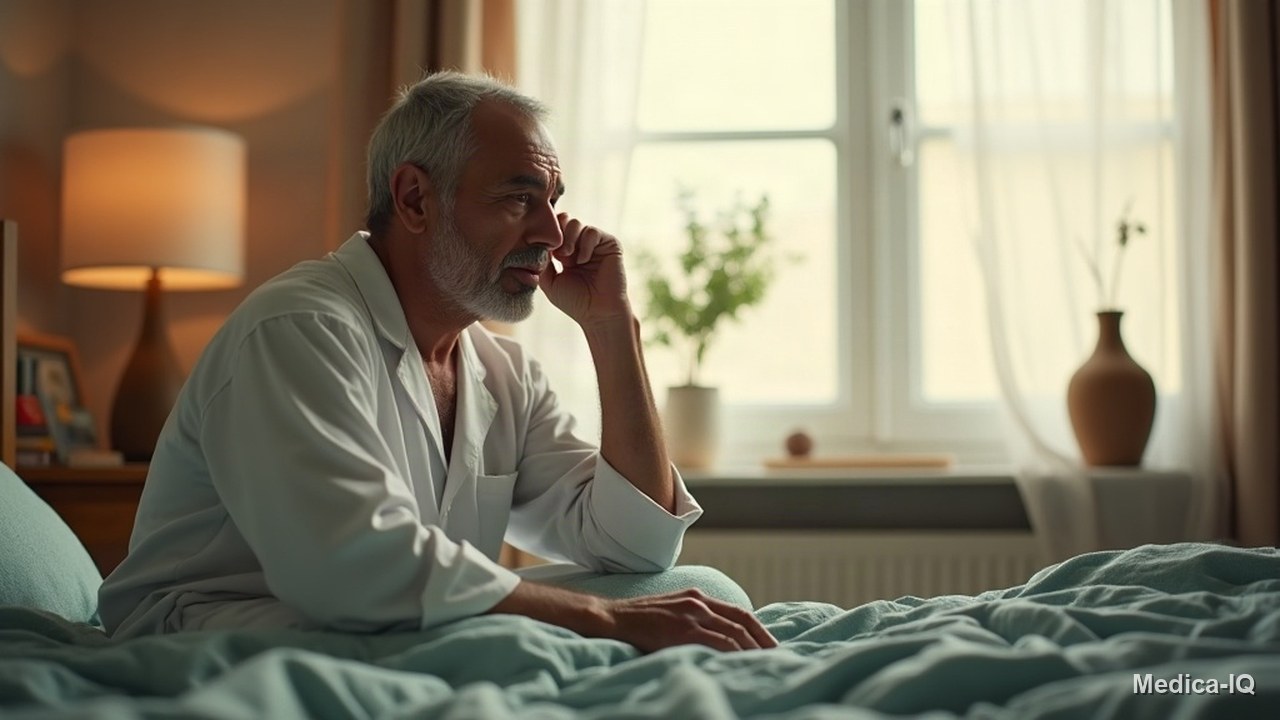
How Sleep Quality Affects Hearing Loss
Several studies indicate that the quality of your rest may impact your auditory health. One study involving over 230,000 adults aged 38 to 72 found that people with more sleep problems faced a higher risk of hearing loss. These issues included daytime sleepiness, snoring, and struggling to wake up in the morning.
While this specific research found no connection between the total number of hours slept and auditory decline, it highlighted that the presence of sleep disturbances was a significant factor.
The Role of Obstructive Sleep Apnea
Some sleep complaints are signs of obstructive sleep apnea (OSA), a condition where throat tissues relax and block the airway during sleep. This can lead to hearing loss through two main mechanisms:
- Reduced oxygen levels in the blood, which can damage inner ear cells.
- Frequent awakenings throughout the night.
Evidence regarding OSA is not entirely consistent. Some researchers have found only a slight link and suggest that more long-term studies are needed because the damage to hearing often happens gradually.
Sleep Duration and Hearing Loss Symptoms
Different studies offer varying perspectives on how sleep length relates to hearing loss symptoms. One analysis of 2,500 people aged 20 to 69 found that those who slept more or less than the recommended 7 to 9 hours per night reported more episodes of hearing loss.
Conversely, other research suggests that the total length of sleep may not be the primary driver, focusing instead on the quality of that rest.
Can Napping Protect Your Ears?
Research from China suggests that short afternoon naps of 5 to 30 minutes may lower the risk of hearing loss in older and middle-aged adults, particularly for those who do not get enough sleep at night. However, experts maintain that the most effective way to protect your hearing is to consistently achieve 7 to 9 hours of sleep every night.
FAQ
What does hearing loss feel like?
While the sources do not describe the physical sensation, they link the condition to sleep disturbances like snoring and daytime fatigue.
What causes hearing loss related to sleep?
Obstructive sleep apnea can cause hearing loss by lowering blood oxygen levels and damaging cells in the inner ear.
How much sleep do I need to protect my hearing?
The recommended goal for protecting your auditory health is 7 to 9 hours of sleep per night.
Do naps help prevent hearing loss?
Short naps between 5 and 30 minutes in the afternoon may help preserve hearing for middle-aged and older adults who lack sufficient nighttime sleep.
When to See a Doctor
Consult a healthcare provider if you experience the following warning signs:
- Frequent snoring or gasping during sleep.
- Excessive sleepiness during the day.
- Difficulty waking up in the morning.
- A noticeable decline in your ability to hear sounds.
Disclaimer: This article is for informational purposes only and does not constitute medical advice. Always seek the advice of your physician or other qualified health provider with any questions you may have regarding a medical condition
Related articles
- Understanding the Main Causes of Heavy Sleeping
- How to Stop Sleeping Too Much: Causes and Treatments
- Best Sleeping Position for a Herniated Disc Guide
- Why Do You Yawn? Common Theories Explained
- More about Sleep & Sleep Disorders
Illustration: AI-generated
approved by: Medica Health team