Deciding whether to take naps post workout depends on your goals, as short rests can boost alertness and muscle repair but may disrupt nighttime sleep.
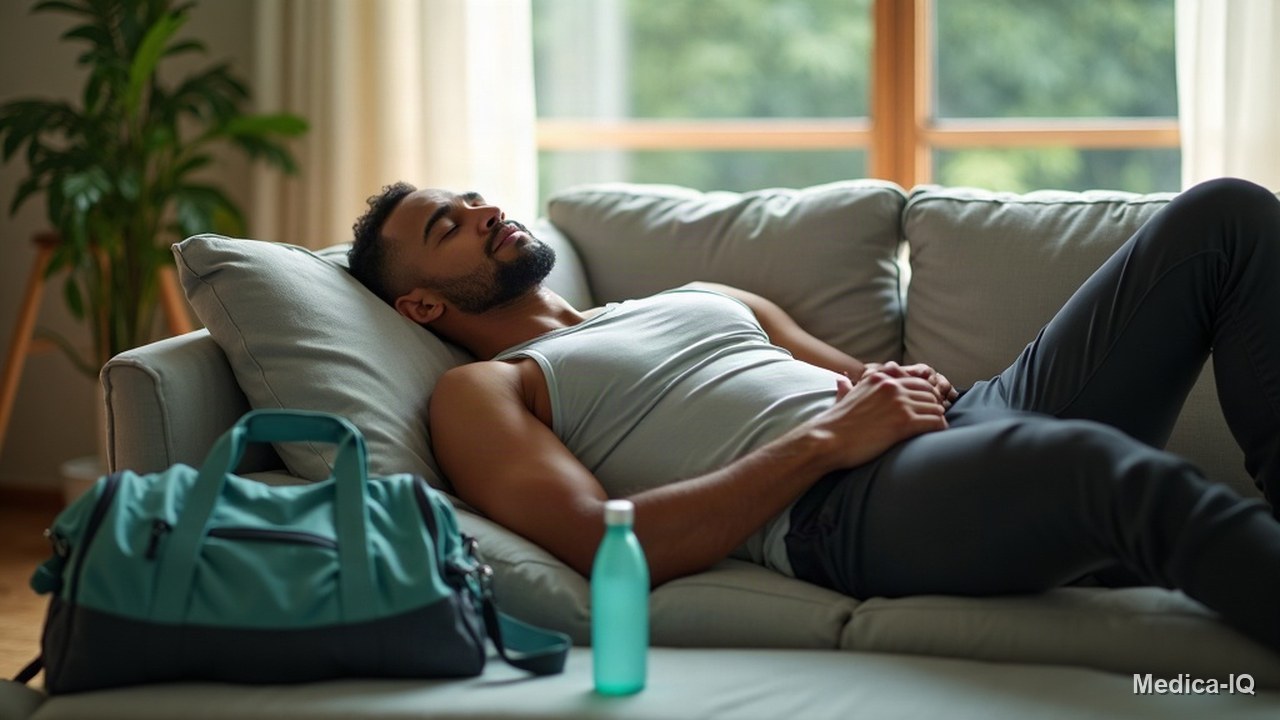
Why Do I Feel Sleepy After a Workout?
Feeling drained or weak after physical activity is a common reaction known as exercise-induced fatigue. This sensation is often tied to changes in the nervous system.
- Peripheral Fatigue: This occurs within the muscles. Muscle contractions rely on adenosine triphosphate (ATP). When ATP is depleted or when metabolites from its breakdown accumulate, muscle contractions are hindered.
- Central Fatigue: This involves the central nervous system. Exercise alters the levels of neurotransmitters, which can trigger feelings of tiredness.
The Pros and Cons of Naps Post Workout
Resting after exercise has both advantages and disadvantages.
Benefits
- Muscle Recovery: Naps provide the rest necessary to build muscle and repair tissue.
- Cognitive Boost: While both exercise and sleep help memory, combining them may offer greater benefits.
- Increased Alertness: A nap can temporarily lower fatigue and make you feel more awake.
Drawbacks
- Sleep Inertia: Waking up during deep sleep can cause disorientation and grogginess.
- Nighttime Disruption: Frequent napping is linked to more awakenings during the night and lower overall sleep quality.
- Overtraining Warning: A constant need for sleep after exercising may be a sign that you are overtraining and need more recovery time.
Strategies for Post-Workout Napping
If you choose to sleep after a workout, these tips can help you maximize the benefits:
- Timing and Duration: Aim for a window between 1 p.m. and 3 p.m. to avoid interfering with bedtime. Keep the nap to 20 minutes to prevent grogginess, or 90 minutes to complete a full sleep cycle.
- Environment: Use an eye mask or earplugs to block out noise and light.
- Waking Up: Spend time in bright light or wash your face to overcome sleep inertia, which typically lasts under 30 minutes but can persist for over an hour.
- The Coffee Nap: Drink one cup of coffee (approximately 100 to 200 milligrams of caffeine) before a short nap. Since caffeine takes about 30 minutes to work, you may wake up feeling more energized.
The Link Between Naps and Overall Health
While not a replacement for a full night of sleep, short rests can improve athletic performance and combat sleep loss. Conversely, regular exercise helps you fall asleep faster and increases the amount of deep sleep you get. This activity also lowers the risk of chronic conditions such as diabetes, heart disease, and obesity.
FAQ
Why do I feel sleepy after a workout?
This is usually due to exercise-induced fatigue. It can be caused by the depletion of ATP and the buildup of metabolites in the muscles, or by changes in neurotransmitters within the central nervous system.
Do post-workout naps help with weight loss?
There is no direct evidence that napping after exercise promotes weight loss. However, because poor sleep is linked to weight gain and obesity, and naps can improve athletic performance, there may be indirect benefits.
Can I nap after a workout?
Yes, but be mindful of the timing. Napping too late in the afternoon may make it harder to fall asleep at night.
When to See a Doctor
Consult a healthcare provider if you experience the following:
- Constant, overwhelming tiredness despite adequate rest.
- Significant difficulty falling or staying asleep at night.
- Signs of overtraining that do not improve with scheduled rest days.
Disclaimer: This content is for informational purposes only and does not constitute medical advice. Always consult a healthcare professional for medical concerns.
Related articles
- Is Sleeping on the Couch Bad for You? Pros and Cons
- Foods to Avoid Before Bed for Better Sleep
- snore racing: If I Snore
- Noise During Sleep Affects Your Heart, Study Finds
- More about Sleep & Sleep Disorders
Illustration: AI-generated
approved by: Medica Health team