Dealing with a CPAP cough can be frustrating, but adjusting your equipment and hygiene habits often resolves these irritating symptoms.
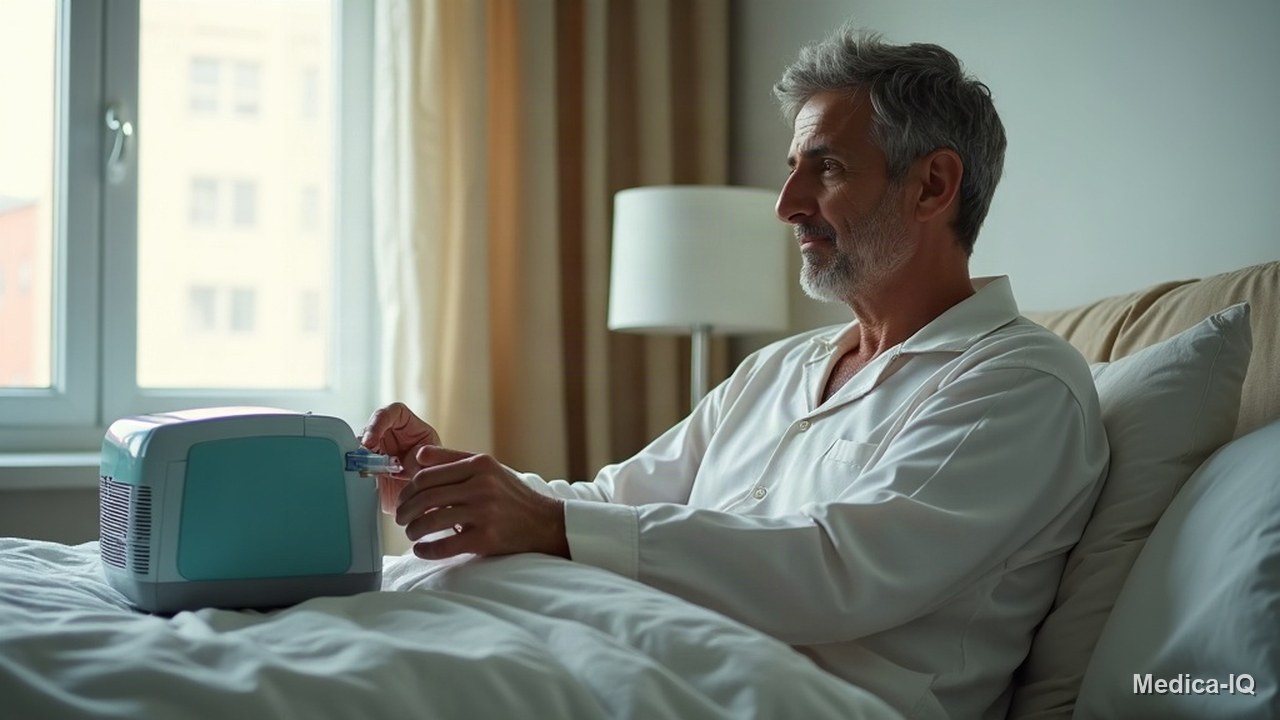
What Causes a CPAP Cough?
Several factors can trigger coughing during or after using a continuous positive airway pressure machine. Because these symptoms often feel like a cold or allergies, identifying the specific cause is key to finding relief.
Dry Air and Humidity
When the air flowing through your breathing passages is too dry, it can irritate the throat. This often leads to a cough. Using a humidifier or heated tubing helps maintain a consistent moisture level, which keeps the airways lubricated.
Contaminated Equipment
The moist, warm environment inside the tubing and masks provides an ideal place for viruses, mold, and bacteria to grow. Using a dirty machine can trigger a new cough or make an existing one worse. To prevent this:
- Use only distilled water in the humidifier reservoir.
- Change the water every night.
- Wash the mask and tubing weekly with mild, fragrance-free soap.
Poor Mask Fit and Air Leaks
If a cpap mask does not fit the contours of your face or if the equipment is worn out, air can leak. These leaks can lead to dry mouth and throat irritation. Additionally, those using nasal cushions who breathe through their mouths may experience dryness; using mouth tape or a chinstrap can help maintain the correct airflow.
Sensitivities and Allergies
Some users are sensitive to the silicone used in many masks. This can cause skin irritation or respiratory discomfort. Hypoallergenic alternatives, such as foam cushions or mask liners, may be better options. Avoid harsh household cleaners or scented sanitizing products on the equipment, as some can be harmful.
How to Stop CPAP Cough and Improve Comfort
If you are experiencing a cpap coughing fit, try these troubleshooting steps:
- Increase Humidity: Raise the humidity settings on your device to moisten the air.
- Update Your Gear: Replace old masks on a regular schedule to ensure a tight seal.
- Switch Mask Types: If you struggle with mouth breathing, a full-face mask might be more effective than a nasal one.
- Clean Thoroughly: Use mild soap and water to keep all components bacteria-free.
When to See a Doctor
You should contact a healthcare provider if you experience any of the following warning signs:
- Uncontrollable coughing.
- Shortness of breath.
- A fever.
- A mild, persistent cough that does not improve after you have cleaned your equipment, adjusted the humidity, and ensured a proper mask fit.
FAQ
Why does my CPAP make me cough?
It is often caused by air that is too dry, a mask that leaks, or the buildup of bacteria and mold in the tubing and reservoir.
Can sleep apnea cause coughing?
While not a direct cause, chronic coughs are often seen in people with obstructive sleep apnea. Some patients also make choking or gasping sounds during sleep, which differ from a chronic cough.
Can CPAP cause a sinus infection?
Yes, the machine can be a factor in developing upper respiratory or sinus infections. While humidifiers prevent dryness, too much warm, moist air can sometimes lead to congestion.
Should I use CPAP with a cough?
In some instances, the pressurized air can help clear your airways. However, if you cannot tolerate the mask while sick or have severe symptoms like a fever, you should consult your doctor.
Disclaimer: This content is for informational purposes only and is not a substitute for professional medical advice, diagnosis, or treatment.
Related articles
- What is the Shift Work Disorder Definition?
- Can You Sleep With Your Eyes Open? Causes and Risks
- Baby Sleep Products: Understanding the New Rules for Safety
- Tips for Safely Sleeping in a Car: A Complete Guide
- More about Sleep & Sleep Disorders
Illustration: AI-generated
approved by: Medica Health team