A tongue strengthening device helps reduce snoring and sleep apnea (obstructive) in adults by stimulating the tongue muscles while awake.
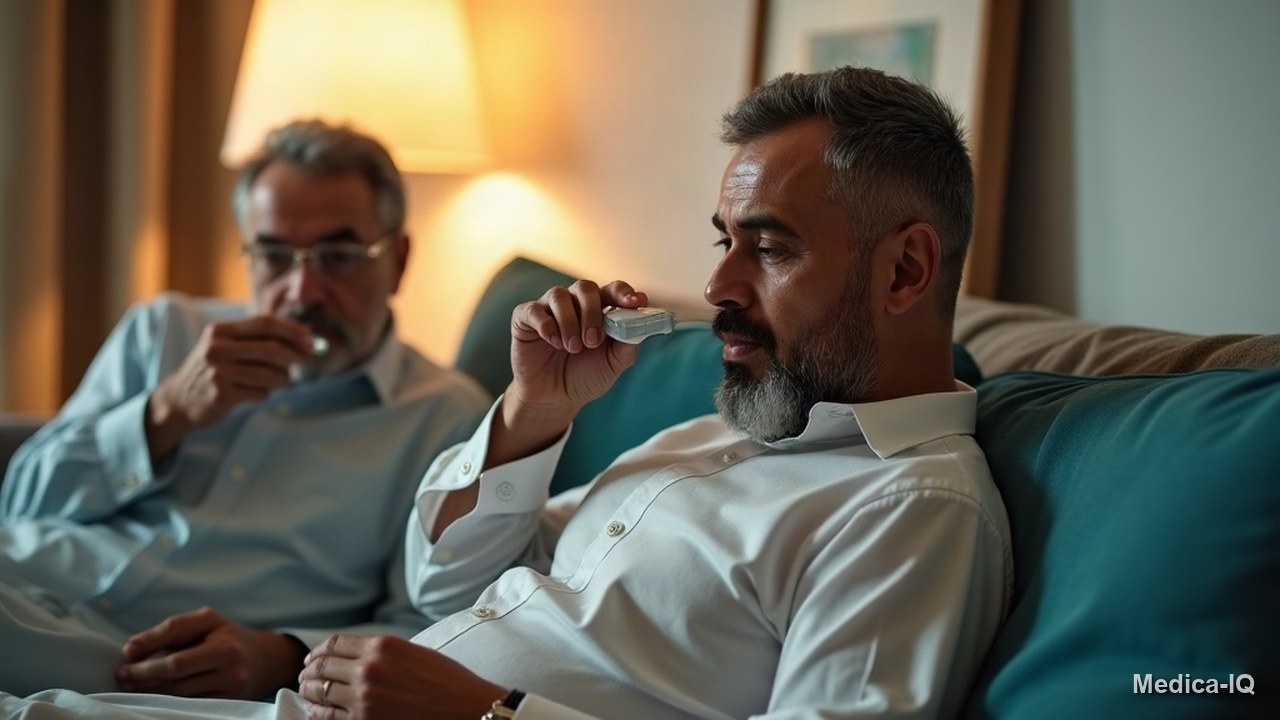
How does a tongue strengthening device work for snoring and sleep apnea?
This device relies on providing neuromuscular stimulation to the tongue to prevent it from falling back and blocking the airway during sleep. This is achieved through an oral appliance containing four electrodes—two above the tongue and two below—which send electrical pulses interspersed with rest periods.
The device is used according to the following schedule:
- Once daily for 20 minutes.
- Daily use continues for six weeks.
- After that, it is used once per week.
Trials involving 115 patients showed that 87 people experienced a reduction in snoring time of more than 20%, while 41 out of 48 patients with mild obstructive apnea saw a 48% decrease in snoring time.
Contraindications and Side Effects
Users must undergo a dental examination before starting. The device is prohibited for the following groups:
- Pregnant women or those planning pregnancy.
- Individuals with pacemakers or implanted electrodes.
- Those with braces, dental jewelry, or any metal pieces inside the mouth.
- Those with permanent or temporary implants.
- People with ulcers in the mouth or surrounding areas.
Potential side effects may include a tingling sensation in the tongue, a metallic taste in the mouth, or increased salivation, as well as tooth sensitivity, vomiting, discomfort in the teeth or tongue, and jaw tightness.
Effectiveness in treating snoring during sleep and apnea
Opinions vary on the effectiveness of this option; while it provides an alternative for thousands of patients, some experts believe the improvement is slight and limited to mild cases (less than 15 degrees). Continuous Positive Airway Pressure (CPAP) remains the most effective treatment currently, despite being difficult for some patients to tolerate. Specialists also note that reducing snoring during sleep does not necessarily mean an actual improvement in the apnea condition, requiring broader studies to confirm results.
FAQ about snoring and sleep apnea
What helps with snoring and sleep apnea?
One option is a tongue strengthening device, which works via an oral appliance that sends electrical pulses to stimulate and strengthen tongue muscles, preventing airway obstruction during sleep.
What are the side effects of a tongue strengthening device?
These include increased salivation, tongue tingling, a metallic taste in the mouth, tooth sensitivity, vomiting, and jaw or tooth discomfort.
What are the limitations of using a tongue strengthening device?
The device targets adults with mild conditions and is not suitable for those with metal implants in the mouth or pacemakers.
How are snoring and sleep apnea related?
Snoring is a sound produced during sleep, whereas obstructive sleep apnea is a health condition that can lead to serious effects if left untreated; snoring often accompanies it.
When to visit a doctor?
Consult a doctor immediately if signs appear that apnea is seriously affecting general health, if there are oral ulcers preventing the use of therapeutic devices, or when wanting to assess the severity of the condition to determine if a tongue strengthening device is appropriate or if the patient requires a CPAP machine.
Disclaimer: This content is for informational purposes only and is not a substitute for professional medical advice.
Related articles
- The Worst Cities for Sleep in the U.S. Ranked
- Hypnic Jerk: Why You Twitch While Falling Asleep
- Mouth Taping for Sleep: Does It Work? Benefits and Risks
- Managing CPAP Cough: Causes and Relief Strategies
- More about Sleep & Sleep Disorders
Illustration: AI-generated
approved by: Medica Health team