Lennox-Gastaut Syndrome is a severe and rare form of childhood epilepsy characterized by frequent seizures and developmental delays.
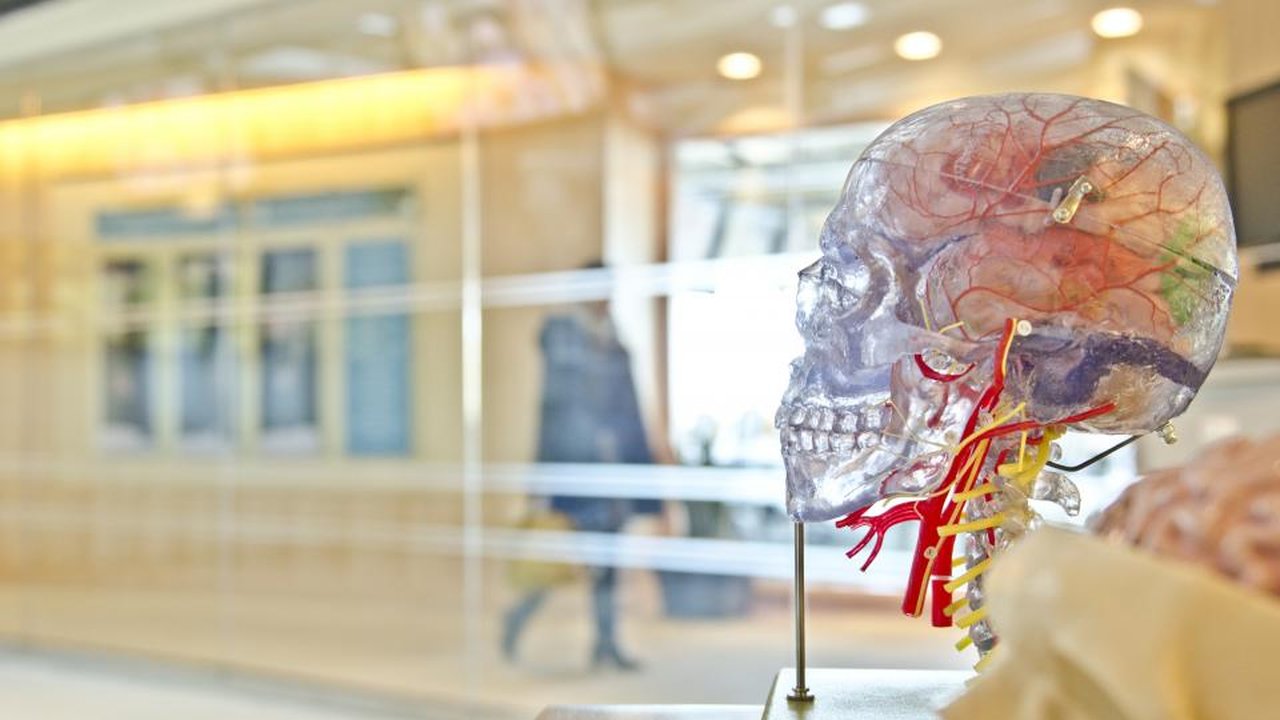
Understanding Lennox-Gastaut Syndrome
This condition typically begins in children between the ages of 2 and 6. It is often associated with intellectual disabilities and delays in reaching milestones, such as walking, crawling, or sitting. Because every child is different, it is impossible to predict the exact outcome for any individual. While some children respond well to therapy and experience fewer seizures, others may struggle with cognitive impairment and require lifelong assistance with daily tasks.
Common Symptoms and Behavioral Problems
Children with this condition experience multiple types of severe seizures, including:
- Atonic seizures: Brief “drop attacks” where a sudden loss of muscle tone causes the person to fall.
- Tonic seizures: Body stiffening that can last from a few seconds to a minute; these often occur during sleep but can cause falls if they happen while awake.
- Absence seizures: Episodes involving blinking, head nodding, or a blank stare.
In some cases, the first sign is status epilepticus, which is a medical emergency involving continuous seizures or a single seizure lasting 30 minutes. Beyond seizures, lennox-gastaut syndrome behavioral problems may occur, and children may exhibit slower reaction times or difficulty processing information.
Lennox-Gastaut Syndrome Causes
Medical professionals do not always identify a specific cause for this condition. However, potential lennox-gastaut syndrome causes may include:
- Birth and pregnancy complications: Premature birth, low birth weight, or a lack of oxygen during delivery.
- Brain injuries and infections: Meningitis, rubella, encephalitis, or cortical dysplasia (incorrect alignment of nerve fibers during fetal development).
- Other medical conditions: Tuberous sclerosis or infantile spasms (West’s syndrome).
- Genetics: Inherited factors may play a role.
Diagnosis and Treatment
To diagnose the condition, doctors look for three specific markers: intellectual disability or developmental delays, multiple types of difficult-to-control seizures, and a slow spike-wave pattern on an electroencephalogram (EEG).
Medication and Diet
Doctors aim to reduce seizure frequency using drugs with minimal side effects. Common medications include:
- Cannabidiol, Clobazam, Felbamate, Lamotrigine, Rufinamide, Topiramate, and Valproate.
Since one drug rarely stops all seizures, patients often take multiple medications. Some families also use specialized diets under medical supervision, such as the high-fat, low-carb ketogenic diet, the modified Atkins diet, or a low glycemic index diet.
Surgical Options
If medication and diet are ineffective, surgery may be considered:
- Vagus nerve stimulator: A device that sends electrical pulses from the abdomen to the brain.
- RNS stimulator: A device implanted in the skull to detect and stop abnormal electrical activity.
- Corpus callosotomy: A procedure that separates the brain’s two hemispheres to prevent seizures from spreading.
FAQ
What is Lennox-Gastaut Syndrome?
It is a rare, severe epilepsy starting in childhood that involves multiple seizure types, developmental delays, and intellectual disabilities.
What causes Lennox-Gastaut Syndrome?
Causes can vary and include genetic factors, brain infections, tuberous sclerosis, or injuries sustained during pregnancy or birth.
How is it treated?
Treatment typically involves a combination of anti-seizure medications, specialized diets like the ketogenic diet, or surgical implants.
When to See a Doctor
Seek immediate medical attention if a child experiences status epilepticus, which is defined as a seizure lasting 30 minutes or a series of seizures without recovery in between. Contact a healthcare provider if you notice a child is failing to meet developmental milestones or experiencing sudden muscle stiffness or “drop attacks.”
Disclaimer: This content is for informational purposes only and does not constitute professional medical advice, diagnosis, or treatment.
Related articles
- Febrile Seizures: Symptoms and Management Guide
- Trigeminal Neuralgia: Causes, Symptoms, and Treatment
- Sudden Hemiplegia of the Face: Causes and Treatment
- Tension Headache vs. Migraine: Symptoms and Relief
- More about Epilepsy
Photo: Jesse Orrico, CC0 1.0, via stocksnap.io
approved by: Medica Health team