Practicing social distancing is a preventive measure aimed at reducing the chances of transmission and limiting the spread of the novel coronavirus by staying away from others.
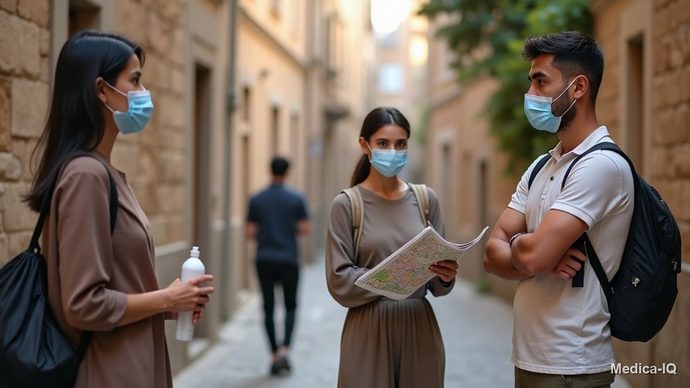
What does social distancing mean?
This measure involves maintaining a safe distance between individuals to reduce the likelihood of infection. It is applied at several levels:
- Community level: This includes canceling social events such as parties and closing educational institutions and workplaces.
- In public places: A distance of 6 feet should be maintained between a person and others, and any physical contact should be avoided.
- Inside the home: Presence is limited to family members only, with a ban on family visits or celebrations that require gatherings.
Groups that need social distancing
This procedure applies to all people regardless of their health status or age during an outbreak. The necessity of adherence increases in the following cases:
- When novel coronavirus symptoms appear, such as high body temperature, coughing, or a sore throat.
- In the event of direct contact with a person confirmed to be infected with the disease.
Preventive guidelines during social distancing
To ensure the effectiveness of these measures, it is recommended to follow these steps:
- Limit movement: Do not leave the house except for absolute necessity, such as buying medications from a pharmacy or securing basic needs.
- When going out: Wear a mask, stay at least one meter away from others, and use alcohol-based sanitizers.
- Upon returning home: Remove outer clothing and shoes before entering, dispose of shopping bags, and wash hands with soap and water for 20 seconds.
- Personal hygiene: Disinfect surrounding surfaces such as desks and computers, avoid sharing personal tools, and refrain from kissing or shaking hands.
- Transportation: Avoid using public transportation as it is one of the most common ways the infection is transmitted.
Alternatives for dealing with isolation
Maintaining distance does not mean total isolation; direct meetings can be replaced by:
- Using video calls to communicate with others.
- Practicing physical exercises inside the home via specialized apps instead of going to the gym.
- Organizing a daily schedule and various activities to avoid feeling bored.
FAQ
What does social distancing mean?
It is a precautionary measure based on staying away from surrounding people as much as possible to reduce the chances of spreading the infection.
Who are the people who need social distancing?
All people of different ages and health conditions, especially those showing symptoms of the disease or those who have contacted infected persons.
How long should this measure be followed?
Experts recommend continuing it for 14 days, which is the period during which symptoms may appear; this may extend for several months or recur according to outbreak waves.
When should you consult a doctor?
Medical care should be sought immediately when noticing the following signs:
- A significant increase in body temperature.
- Persistent cough.
- Feeling of a sore throat.
Disclaimer: This content is for informational purposes only and does not substitute for consulting a specialist physician.
Related articles
- Understanding Acute Sinus Infection Symptoms
- Swine Flu Guide: Symptoms, Prevention, and Treatment
- Effective Family Infection Prevention Tips for Coronavirus
- Lung Cancer and COPD: Diet and Risks
- More about Lung Disease
Illustration: AI-generated
approved by: Medica Health team