Coughs vary in form during the cold season, and the best winter cough treatment depends on the underlying cause and accompanying symptoms.
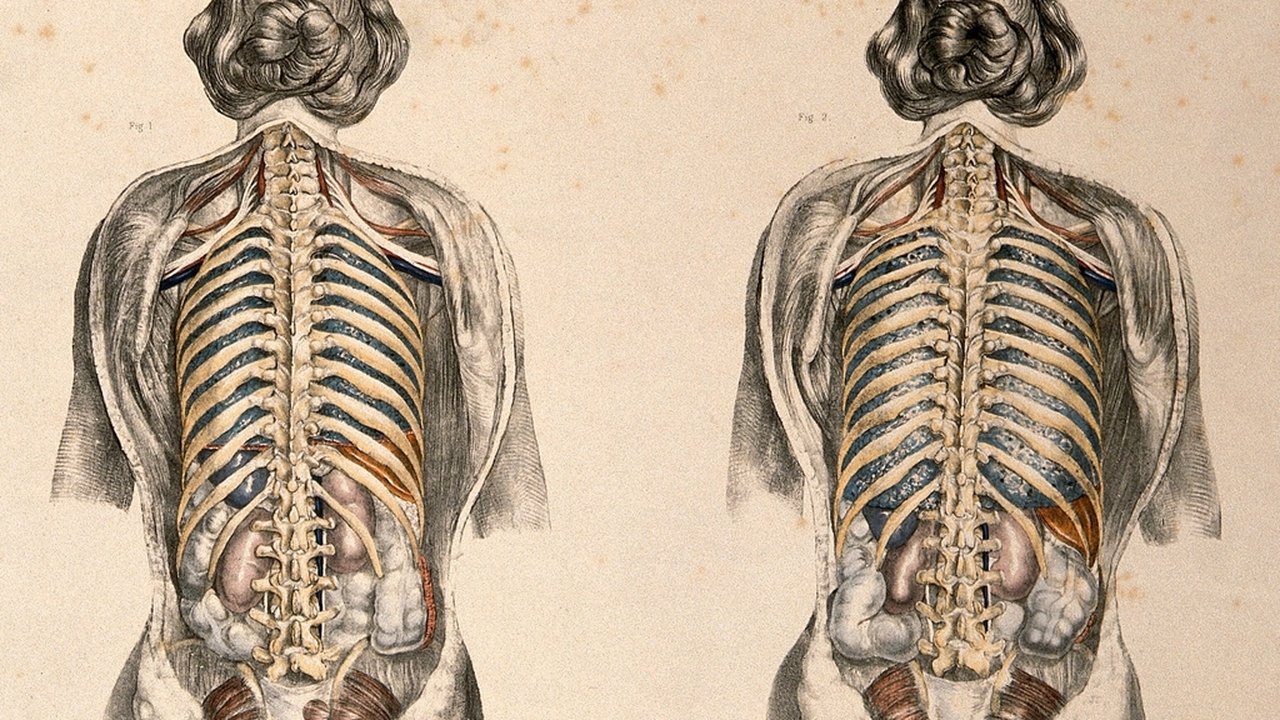
Details on types of winter coughs and winter cough treatment
Coughing is the body’s defensive mechanism to clear foreign substances from the respiratory system and can result from bacterial or viral infections. The patterns include:
Dry and Chronic Cough
This type lasts for 8 weeks or more, with spells often occurring during the day for about 15 minutes. Causes may include gastroesophageal reflux (GERD), smoking, or upper airway allergies. Treatment includes:
- Using antihistamines.
- Using menthol lozenges for quick relief.
- Prescribing small doses of morphine in special cases via a specialist physician.
Tickle and Barking Coughs
- Tickle Cough: Characterized by the feeling of mucus or a lump in the throat without producing phlegm, caused by thickened mucus. It is treated with nasal drops that reduce swelling (such as Otrivin) for a few days, or topical steroid drops for allergies.
- Barking Cough: Often appears at night with a whistling or wheezing sound, usually resulting from respiratory infections or viruses following a cold. It can be relieved by inhaling steam mixed with mint and taking menthol medications.
Cough Spasms and Productive Coughs
- Spasms: These begin with a tickle in the throat and may lead to vomiting. They may be caused by certain blood pressure medications (inhibitors) that increase the sensitivity of lung nerves; the treatment is to replace the causing medication.
- Productive Cough: This is continuous and increases in the morning, accompanied by thick phlegm (yellow, green, or gray) and pain in the chest and throat. It may result from acute viral or bacterial bronchitis (in 10-15% of cases). Rest, drinking fluids, and using mucolytic agents to ease the cough are recommended.
Cough Related to Asthma and Lung Diseases
- Cough with Wheezing: Increases at night or in the morning due to asthma and is treated using bronchodilator inhalers or steroids in acute cases.
- Chest Cough (with Phlegm): Often linked to lung diseases and smoking, typically affecting those over 40 years old. This is managed by quitting smoking, exercising, and inhaling steam.
- Cough with Shortness of Breath: If accompanied by weight loss, loss of appetite, or coughing up blood, it may indicate rare conditions such as lung cancer, requiring surgery, chemotherapy, or radiation therapy.
FAQ
When is a cough considered chronic?
When coughing spells persist for 8 weeks or more.
How can a barking cough be relieved at home?
By inhaling hot water steam, preferably adding drops of mint to soothe the airway.
Do blood pressure medications affect coughing?
Yes, some blood pressure inhibitors may cause coughing spasms in about 15% of users due to the irritation of lung nerves.
When should you visit a doctor immediately?
Medical care should be sought if the following signs appear:
- Coughing up blood.
- Feeling unable to breathe.
- A cough that lasts for more than 8 weeks.
- Phlegm that is green or rust-colored.
Disclaimer: This content is for informational purposes only and does not substitute for professional medical advice.
Related articles
- Preventing Respiratory Infections and Managing COPD
- How to Get Rid of a Throat Tickle
- Seasonal Flu Guide: Symptoms, Treatment, and Vaccines
- How to Relieve Throat Pain: Natural and Medical Tips
- More about Lung Disease
Photo: CC0 1.0, via rawpixel.com
approved by: Medica Health team