Learn how to use fall asleep fast meditation and other relaxation methods to quiet your mind and drift off more quickly.
Why You May Struggle to Fall Asleep Faster at Night
Difficulty drifting off can be caused by psychological or physical factors. Common culprits include anxiety, stress, and irregular schedules. Poor habits, such as using electronics right before bed or drinking caffeine late in the day, also interfere with rest. Some people may have medical issues like restless legs syndrome, sleep apnea, or insomnia.
Physical signs of stress, such as a rapid heartbeat, elevated body temperature, and muscle tension, often make it harder to relax.
Relaxation Methods and Fall Asleep Fast Meditation
Using specific mental and physical exercises can lower your heart rate and prepare your body for rest.
- Mindfulness Meditation: This practice involves focusing on the present moment and letting go of judgment. It can help reduce anxiety and negative emotions.
- The Military Method: This technique aims for sleep within two minutes. It involves relaxing the face, dropping the shoulders, taking deep breaths to relax the torso, and then relaxing the legs from the hips down to the feet while visualizing a peaceful scene.
- 4-7-8 Breathing: Exhale fully through the mouth, breathe in quietly through the nose for four seconds, hold for seven seconds, and exhale slowly through the mouth for eight seconds.
- Progressive Muscle Relaxation: While lying down, tense specific muscle groups (like the face or shoulders) for 10 seconds and then release the tension while breathing deeply.
- Guided Imagery: Imagine a serene memory or a calm place, focusing on the smells, sounds, and sights to displace daily stressors.
- Paradoxical Intention: This involves telling yourself to stay awake and keeping your eyes open, which can remove the anxiety of trying too hard to sleep.
- Auditory Aids: Peaceful music or white noise can block out distractions. Some people use binaural beats, which are auditory perceptions created by the brain when hearing two different frequencies in each ear.
Fall Asleep Faster Tips for Better Sleep Hygiene
Your daily habits and bedroom setup significantly impact your ability to rest.
Optimizing Your Environment
- Temperature: Keep the room between 60 and 67 degrees Fahrenheit.
- Light and Sound: Use blackout curtains, sleep masks, or earplugs to ensure the room is dark and quiet.
- Bed Use: Only use your bed for sleep and sex to maintain a strong mental link between the bed and rest.
Daily Habits
- Regularity: Maintain a steady daily schedule for rising and sleeping, even on Saturdays and Sundays.
- Screen Time: Avoid phones and tablets 30 to 60 minutes before bed to prevent blue light from disrupting melatonin.
- Diet: Limit alcohol, nicotine, and caffeine before bed. If hungry, choose light snacks with complex carbs or tryptophan.
- Napping: Keep daytime naps to 20 or 30 minutes and avoid them late in the afternoon.
Steps for Persistent Insomnia Exit your bedroom if you remain conscious beyond 20 minutes. Go to a different area and engage in a quiet activity, such as reading or gentle stretching, without using screens. Return to bed only when you feel drowsy. This prevents your brain from linking the bed with frustration and wakefulness.
FAQ
What is the typical duration to drift off?
A healthy sleep latency is generally between 15 and 20 minutes. Falling asleep in under 10 minutes may suggest sleep deprivation.
Why Can’t I Fall Asleep?
It could be due to stress, poor sleep hygiene, or medical conditions like insomnia.
Does keeping the television running hinder sleep quality?
Yes, because the light and changing volumes can disrupt deep sleep stages and cause brief awakenings.
What are the implications of dropping off instantly?
Falling asleep almost immediately after lying down can be a sign of sleep debt or an underlying medical concern.
Why is drowsiness common on sofas yet absent in bed?
This often happens because the perceived pressure to fall asleep increases once you move to the bed.
When to See a Doctor
Consult a healthcare provider if you experience the following:
- Chronic difficulty falling or staying asleep.
- Frequent nighttime awakenings.
- Signs of sleep deprivation that affect your daily functioning.
- Pain in muscle groups that prevents relaxation techniques.
Disclaimer: These materials provide general information and are not intended as professional healthcare guidance. Always consult with a qualified healthcare professional regarding sleep disorders or before starting new wellness practices.
Related articles
- Sleep Affirmations: A Guide and List for Better Rest
- Understanding Sleep-related Breathing Disorder vs Insomnia
- Insomnia During Pregnancy Medication and Treatment Options
- What is Paradoxical Sleep? Meaning, Stages, and Disorders
- More about Sleep & Sleep Disorders
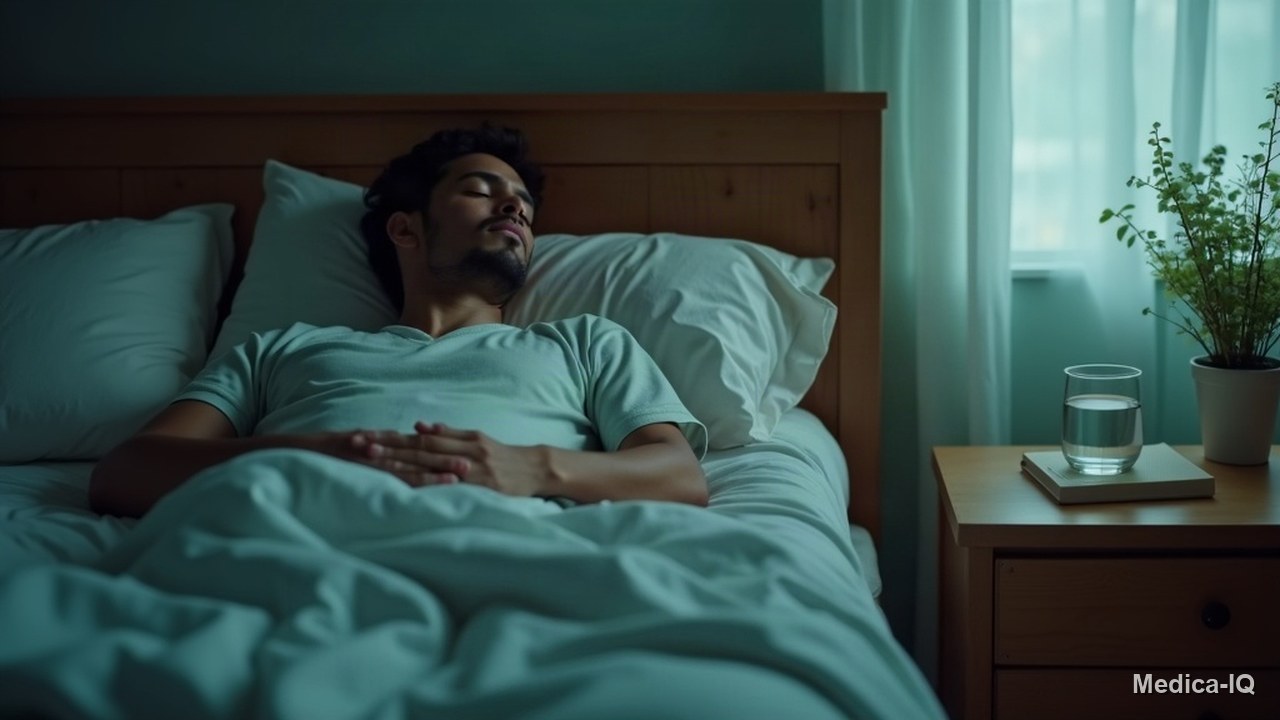
Illustration: AI-generated
approved by: Medica Health team