Learn the essential preventive measures and health steps for COVID home care to limit the spread of infection and protect those around you.
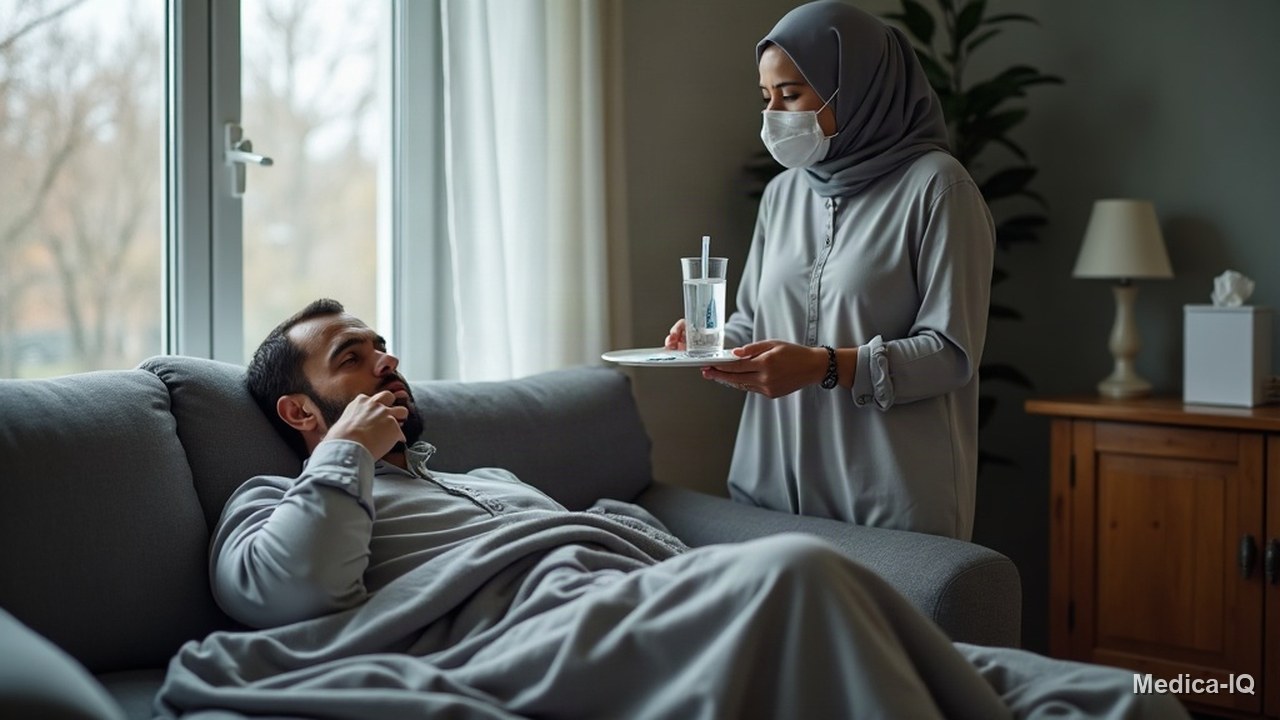
Preventive Measures for COVID Home Care
If you are infected or suspect you are, follow these strict steps to reduce the transmission of the virus to others:
- Home Isolation: Stay at home. Assign yourself a separate room and a separate bathroom if possible. Avoid public places such as schools or workplaces and do not use public transportation.
- Social Distancing: Keep your distance from family members inside the home, minimize contact with pets, and do not share personal items such as bedding, towels, and eating cups.
- Personal Hygiene:
- Wash your hands with soap and water for at least 20 seconds, especially before and after eating, and after using the bathroom or coughing.
- Use an alcohol-based sanitizer with at least 60% alcohol if soap and water are unavailable.
- Do not touch your eyes, nose, or mouth before sanitizing your hands.
- Respiratory Protection: Wear a mask if you must be around others. Use tissues when coughing or sneezing and dispose of them immediately in a covered bin, or use your elbow if a tissue is not available.
- Disinfection: Clean surfaces and used tools with soap, water, and disinfectants, as the virus can remain on surfaces for several hours or days.
Monitoring Health Status and Symptoms
Monitor the progression of your health closely; common symptoms include fever, cough, and shortness of breath. Regarding treatment, antibiotics are not useful against viruses because they are designed for bacteria.
As for hydroxychloroquine, there are conflicting recommendations; it was adopted in some treatment programs and then retracted, with warnings that it may increase the mortality rate among infected individuals.
When Should You Visit a Doctor Immediately?
Seek urgent medical help when the following danger signs appear:
- Severe difficulty or shortness of breath.
- A feeling of pressure in the chest area.
- Bluish discoloration of the face or lips.
FAQ
What should I do if coronavirus symptoms appear?
Seek medical help early and adhere to complete home isolation. Avoid using taxis or public transportation when going to the doctor, and be sure to call the clinic before arriving.
How do I protect the elderly or those with chronic diseases?
People over the age of 60, or those with diabetes, heart disease, and chronic respiratory diseases, should take extra precautions and stay away from public gatherings due to their increased risk.
How should I handle travel while sick?
Travel is prohibited if you have a fever. If symptoms appear during a trip, notify the flight crew immediately.
Disclaimer: This content is for informational purposes only and is not a substitute for consulting a specialist physician or obtaining professional medical care.
Related articles
- Understanding Swine Flu Symptoms and Treatment
- Understanding Different Types of COVID Vaccines
- How Fatherhood Reduces Cold Risk and Boosts Immunity
- Understanding the Different Types of Influenza
- More about Colds, Flu & COVID-19
Illustration: AI-generated
approved by: Medica Health team