Patients with obstructive sleep apnea often use these devices, though there is typically a CPAP machine cost involved.
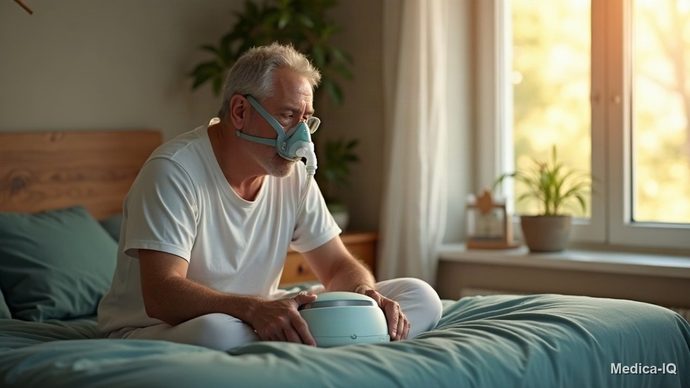
What is a CPAP Machine?
Continuous positive airway pressure (CPAP) devices treat obstructive sleep apnea (OSA). These machines deliver a steady stream of pressurized air through a mask to keep the nasal passages and throat open during sleep. This pressure prevents the airway from collapsing or narrowing, stopping the breathing interruptions termed apneas and hypopneas.
A standard setup includes three components:
- The Device: A motor that generates air pressure, a settings display, and frequently a heated humidifier.
- The Tube: A flexible plastic hose, usually 6 to 10 feet long, used to carry filtered air.
- The Mask: A seal held by straps that fits over the nose or both the nose and mouth.
Benefits of CPAP Therapy
CPAP therapy for sleep apnea can yield immediate and long-term health gains. Short-term advantages include a significant reduction in snoring, diminished daytime fatigue, and sharper mental clarity.
Long-term use may support:
- Heart Health: Lowering blood pressure and reducing the risk of irregular heartbeats or stroke.
- Metabolic Control: Better blood sugar management for individuals with type 2 diabetes.
- Mental Wellness: Improved cognitive focus and reduced symptoms of depression.
- Physical Function: Potential reversal of sexual dysfunction in both women and men.
Managing Your Device
Cleaning and Maintenance
Clean your equipment regularly with mild, unscented soap and warm water to prevent congestion or respiratory infections. For those with a humidifier tank, white vinegar can be used.
Avoid ozone gas cleaners or ultraviolet (UV) light. Health authorities warn that these can be toxic and may cause skin cancer, eye damage, or exacerbate lung diseases.
Replacement and Disposal
Device lifespans vary; some last 12 years, while others fail within three. Look for unusual noises or the return of daytime sleepiness and snoring as signs of failure.
If you have an old device, you can:
- Donate it to organizations like the American Sleep Apnea Association or Project C.U.R.E.
- Sell or trade it in.
- Recycle the unit.
- Keep it as a backup.
CPAP Machine Information
Out-of-pocket CPAP machine cost varies. Because these are Class II medical devices, a prescription from a licensed healthcare provider is required.
FAQ
What does a CPAP machine do?
It provides a constant flow of pressurized air that acts as a stent, keeping the airway open so the user breathes normally throughout the night.
Do I need to use my device all night?
Yes. Use it for the entire duration of sleep. Breathing issues often worsen during REM sleep, which typically occurs in the second half of the night.
How long does it take to work?
Many users see immediate improvements in sleep quality and a reduction in snoring, though effects like lower blood pressure may take longer to develop.
How do I know if I need one?
Morning headaches, gasping for air during sleep, and waking up feeling unrefreshed are common signs of OSA. A doctor can confirm a diagnosis via an at-home or lab-based sleep study.
When to See a Doctor
Consult a healthcare provider if you notice these warning signs:
- Device Malfunction: The machine emits smoke, smells of burning, or makes unusual noises.
- Physical Symptoms: An overheating device causes burns or injuries.
- Treatment Failure: Snoring returns or daytime sleepiness increases despite machine use.
- Adjustment Issues: Air leaks or mask discomfort persist after several days of use.
Disclaimer: This content is for informational purposes only and is not a substitute for professional medical advice, diagnosis, or treatment.
Related articles
- Idiopathic Hypersomnia Symptoms and Treatment with Xywav
- The Connection Between Sleep and Memory Explained
- How to Master Sleeping on a Plane: Tips for Better Rest
- How to Manage Hot Flashes: Treatments and Tips
- More about Sleep & Sleep Disorders
Illustration: AI-generated
approved by: Medica Health team