A siesta is a short afternoon nap used in various cultures to increase productivity and rest. Learn about the history and benefits of the siesta.
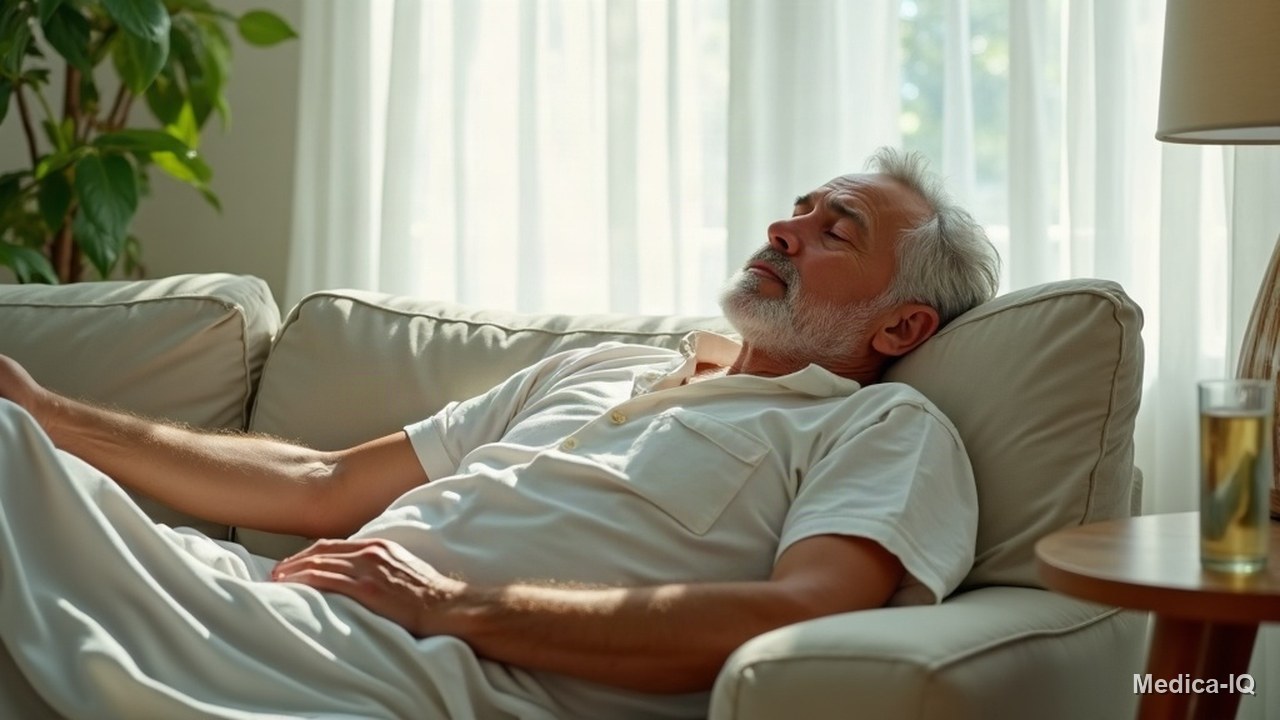
The Origin of Siestas
The term refers to the “sixth hour” and describes the time of day when businesses in hot climates, particularly in Spain, close for several hours. This tradition allows people to avoid the midday heat, eat, and rest. In Spain, a typical schedule might involve working from 9 a.m. to 2 p.m., taking a two-hour break, and returning to work from 4 p.m. to 8 p.m. While most people associate the practice with Spain, it may have started as early as the Roman Empire.
Benefits of the Siesta
Incorporating a brief period of rest into your day can help you finish your work with more energy.
- Lowering sleep debt: Many adults fail to get the recommended seven hours of nightly sleep due to social or work obligations. A 10-minute power nap can combat sleepiness and fatigue for up to two hours.
- Mental boost: Napping can improve your mood, alertness, and memory. It helps the brain regulate emotions and organize memories more effectively.
- Cognitive performance: Short rests can enhance your mental performance for a few hours.
How Long Should a Nap Last?
To get the most out of taking a siesta, keep the duration between 10 and 30 minutes. Naps that exceed 30 minutes often lead to sleep inertia, which is a feeling of delayed response and grogginess upon waking.
Potential Risks of Napping
Daytime sleep is not beneficial for everyone. Long, habitual naps are linked to increased inflammation in older adults and may worsen symptoms of depression in this age group. Middle-aged women who nap for more than an hour may have a higher risk of hypertension, though this is not seen in men. Additionally, those with a history of heart problems may face a higher risk of heart attack because blood pressure drops during sleep and rises quickly upon waking.
Tips for Taking a Siesta
If you want to start napping during your lunch break, consider these steps:
- Use a bed rather than a couch to fall asleep more quickly.
- Set an alarm for 20 minutes to avoid drowsiness.
- Adjust your room temperature to a comfortable level a few hours before resting.
- Listen to music or guided meditations to relax.
- If you experience heartburn or acid reflux, nap before eating lunch.
FAQ
What does siesta mean?
The word means “sixth hour” and refers to a short nap or break taken in the afternoon.
Which countries practice this?
It is most commonly associated with Spain and other regions with hot climates.
How long is a typical siesta?
While traditional breaks in Spain may last two hours, a power nap for cognitive benefits should be between 10 and 30 minutes.
When to see a doctor
Consult a healthcare provider before starting a daily napping routine if you:
- Are an older adult.
- Have a medical history of heart issues.
Disclaimer: This content is for informational purposes only and does not constitute medical advice.
Related articles
- Key Benefits of Deep Sleep for Body and Mind
- CPAP Machine Cost and Treatment Guide
- Treating Insomnia with Cognitive Behavioral Therapy
- What is Revenge Bedtime Procrastination? Causes & Tips
- More about Sleep & Sleep Disorders
Illustration: AI-generated
approved by: Medica Health team