An abscess occurs when pus collects in a pocket under the skin or inside the body; some people associate this with boil symptoms, although there are differences in depth and size.
What Is an Abscess and How Does It Differ from a Boil?
An abscess is a localized infection often caused by Staphylococcus bacteria. When the immune system attacks these bacteria, some tissues die, creating a pus-filled pocket. Its size can range from a pea to a walnut or larger, surrounded by thick, red, and sensitive tissue.
A boil, on the other hand, is a superficial bacterial inflammation that arises around hair follicles or sebaceous glands. In contrast, an abscess is larger and deeper within the skin layers, and it may even appear in internal organs. An abscess is usually associated with more intense pain and may be accompanied by chills and a high temperature.
Abscess Treatment Methods
The options for managing this condition depend on its location and size:
Home Treatment for an Abscess
Home care aims to help the pus drain naturally by:
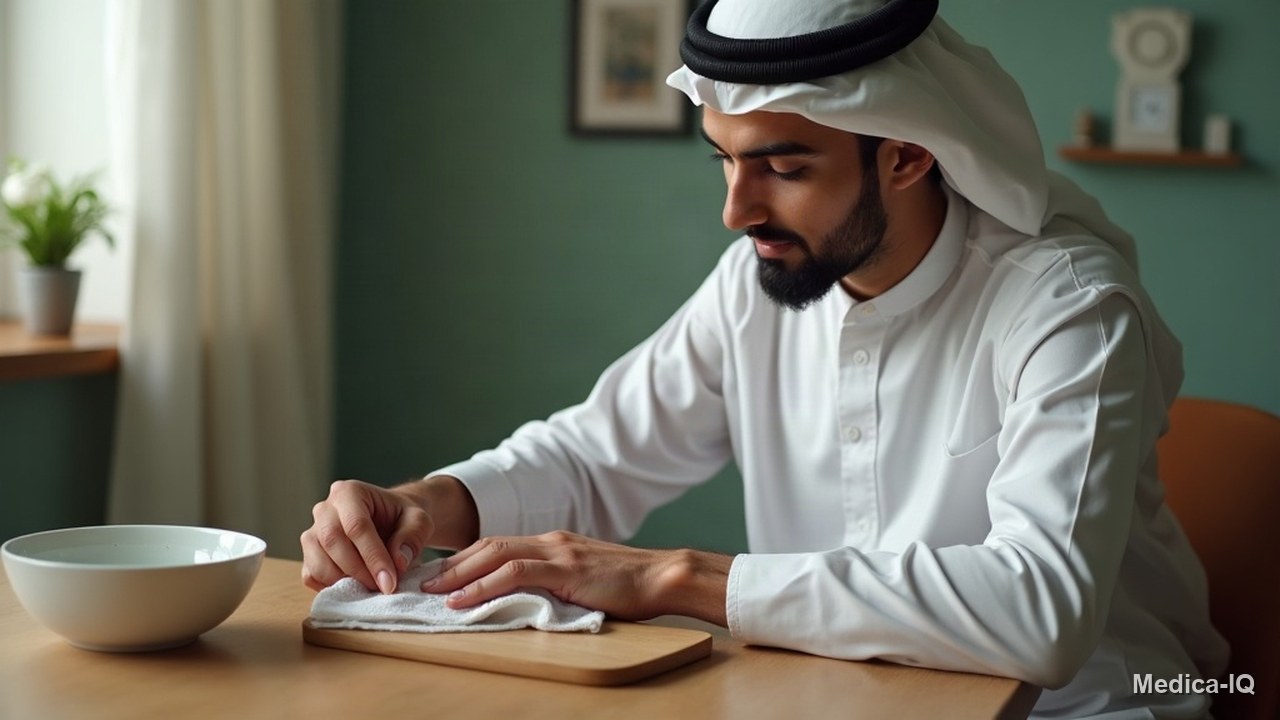
- Applying warm, moist compresses to the area 3 to 4 times daily to soften the skin and accelerate the development of the pus pocket.
- Washing the affected area thoroughly with soap to prevent re-contamination.
- Covering the area with clean bandages.
- Avoiding squeezing or pressing the abscess, as this may spread bacteria into the bloodstream or to other areas of the skin.
Medical Abscess Treatment
Professional intervention is required in some cases through:
- Surgical Drainage: A doctor makes a small incision with a surgical scalpel or draws out the pus with a needle to relieve pain and speed up healing; the wound may be packed with gauze to absorb fluids.
- Surgery: A larger incision is used if the abscess is very large or if there is a risk in accessing it.
- Medication: A doctor may prescribe antibiotics (tablets or ointments), especially if there is a fever, if the abscess is on the face, or for patients with diabetes or weakened immunity.
Causes and Types of Abscesses
Abscesses form when germs (bacteria or fungi) enter through open wounds, insect bites, or burns. They may also appear due to inflammation of hair follicles resulting from shaving or swimming in non-chlorinated water.
Important facts about abscesses and their types:
- Cutaneous: These appear on or just beneath the surface of the skin.
- Internal: Such as gum abscesses, peritonsillar abscesses, anal abscesses, or spinal abscesses.
- Sterile Abscesses: Uncommon cases resulting from irritating substances, such as injected medications that were not fully absorbed.
- BCG Vaccination Abscess: This may appear within 30 days of vaccination and often heals with observation and waiting without medical intervention.
How to Prevent Abscesses
- Maintain personal hygiene and wash hands with soap and water.
- Disinfect and cover wounds and scratches with medical gauze.
- Follow a balanced diet and exercise to strengthen immunity.
- Do not share personal items such as towels.
- Treat skin conditions like eczema to prevent infections from worsening.
FAQ
What are boil symptoms?
They typically start as a red, tender lump that gradually fills with pus. Because an abscess is a deeper version of this, it often presents with more severe pain, swelling, and sometimes systemic signs like fever.
What to do if you feel a boil coming?
If you notice a tender lump forming, you can apply warm compresses to encourage it to come to a head naturally and keep the area clean. However, you should never attempt to pop it yourself.
Can a boil cause fever?
Yes, if the infection spreads or if the abscess is large, it can make you feel sick and cause a fever or chills.
When are antibiotics used for abscesses?
A doctor uses antibiotics if the abscess causes severe pain, if there is a fever, or if the patient has diabetes or a weakened immune system.
Who is most prone to frequent abscesses?
The risk increases for people with diabetes, cancer, HIV, those receiving chemotherapy or chronic steroids, as well as individuals who are overweight.
When to Visit a Doctor
Seek medical help immediately if the following signs appear:
- Feeling unbearable, severe pain.
- The appearance of more than one abscess or boil at the same time.
- The abscess persists for more than two weeks without improvement.
- The abscess appears on the face.
- It is accompanied by fever and chills.
Disclaimer: This content is for informational purposes only and does not substitute for professional medical advice.
Related articles
- Using Aloe Vera for Dermatitis After Radiation Therapy
- Preventing Eczema in Children: Tips and Treatment
- Understanding Vitiligo Causes and Risk Factors
- Foot Blisters: Causes, Treatment, and Prevention Guide
- More about Skin Conditions
Illustration: AI-generated
approved by: Medica Health team