Recent data suggests that fertility treatment asthma risk in babies is higher, as the likelihood of these symptoms increases in children born to parents who experienced fertility challenges.
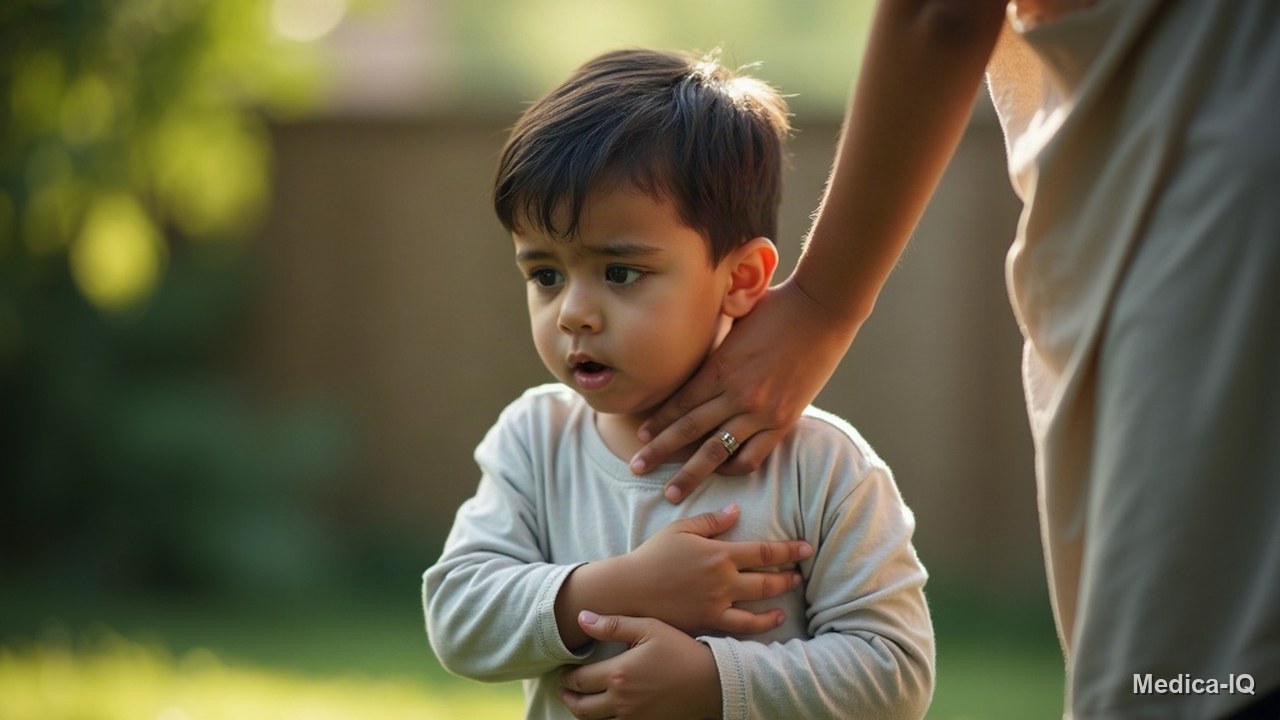
Understanding the Fertility Treatment Asthma Risk in Babies
An analysis of data involving thousands of children at ages 9 months, 5 years, and 7 years revealed a link between conception difficulties and the emergence of respiratory problems in offspring. The results showed that children born to parents facing fertility impairment were more prone to developing asthma compared to those whose pregnancies were planned (occurring in less than 12 months without assistance).
When the children reached five years of age, the following results emerged:
- The likelihood of developing asthma increased by a factor of 1.39.
- The probability of wheezing rose by 1.27.
- The rate of using anti-asthma medications increased to 1.9.
Impact of Assisted Reproductive Technologies
These rates increase further when any fertility boosting treatment or assisted reproductive technology is used. Children at age five showed the following results:
- An asthma risk factor of 2.65.
- A wheezing occurrence rate of 1.97.
- A rate of taking asthma medications of 4.67.
Although these results were less severe by the time the children reached 7 years of age, the probability of asthma and its symptoms remained elevated for those born via assisted techniques. Researchers could not determine whether this increase resulted from the effects of the treatment itself or the severity of the fertility impairment in these parents.
FAQ
Does parental fertility impairment affect the child’s respiratory health?
Yes, studies indicate that children born to parents who suffered from fertility impairment have a higher probability of developing asthma and wheezing.
How do assisted reproductive technologies affect the risk of asthma?
These technologies lead to a noticeable increase in the likelihood of newborns developing asthma and requiring therapeutic medications compared to naturally planned pregnancies.
Do these symptoms persist as the child grows older?
The results recorded at age 5 were more pronounced, while they were slightly milder when the children reached age 7.
When to Consult a Doctor?
You should consult a doctor immediately if the child exhibits the following signs:
- Audible wheezing during breathing.
- Difficulty catching breath or rapid breathing.
- Persistent or recurrent coughing, especially at night.
Disclaimer: This content is for informational purposes only and does not substitute for professional medical advice.
Related articles
- Coronavirus and Asthma: Symptoms and Management Guide
- Understanding the Asthma and Acid Reflux Connection
- Ozempic Wegovy and asthma: Recent Study Results
- Common Asthma Triggers and How to Manage Them
- More about Asthma
Illustration: AI-generated
approved by: Medica Health team