Learn how energy-efficient light bulbs can impact your ability to sleep at night and how modern lighting changes the body’s vital responses.
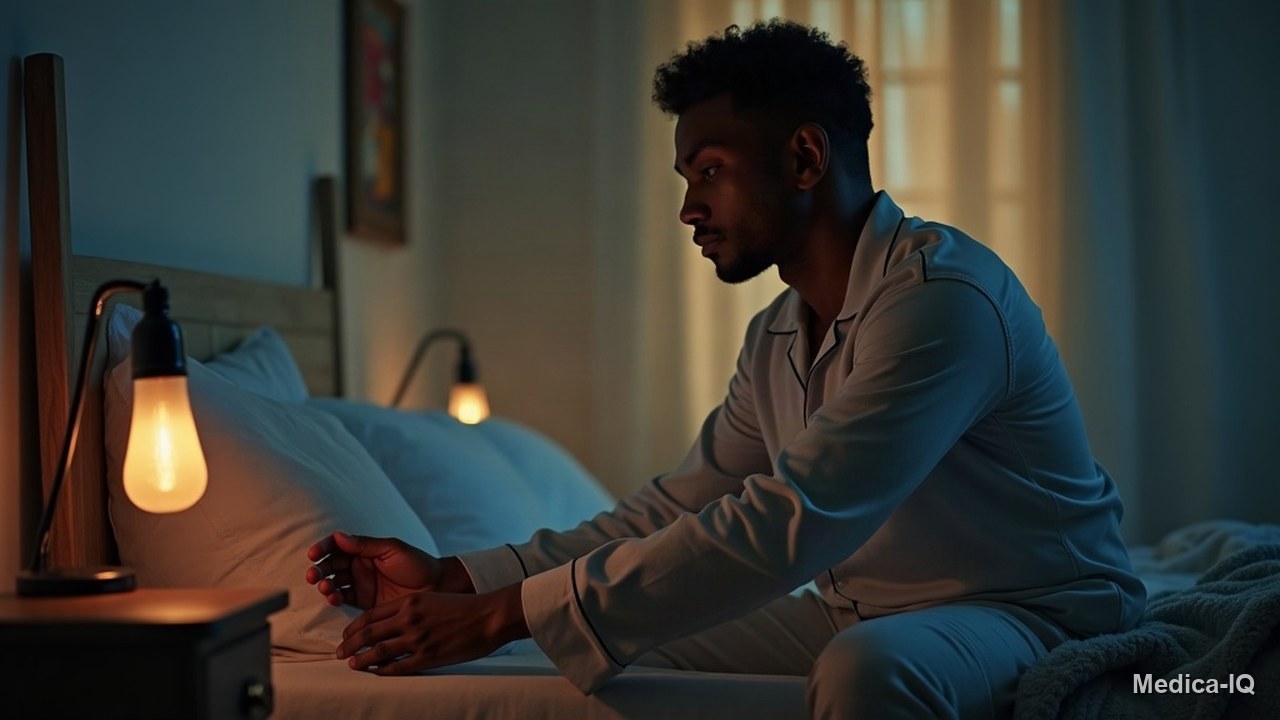
The Impact of Energy-Efficient Light Bulbs on the Biological Clock
Many homes rely on Light Emitting Diode (LED) lamps because they consume less power, but this lighting may negatively affect sleep quality. The problem lies in the blue light emitted by these bulbs, as there are cells in the back of the eye specifically designed to detect this color.
Naturally, these cells detect blue light in sunlight during the day, stimulating the body to release chemicals and hormones that promote wakefulness and activity. When darkness falls, these cells help the body relax and prepare for sleep. Therefore, constant exposure to LED lighting at night can disrupt this process.
Health Risks Associated with Blue Light
Researchers link prolonged exposure to the light rays emitted by these lamps to several health issues, including:
- Developing insomnia and difficulty falling asleep.
- Mood swings and emotional disturbances.
- Potential risk of cataracts.
Innovations to Improve Home Lighting Quality
A research team from the University of Houston is seeking to develop solutions to reduce these damages. They have worked on producing an LED bulb based on a chip that emits light in the violet spectrum. This technology features:
- Absorption of violet light energy and converting it into a soft glow.
- Simulation of evening lighting that prepares the body for sleep.
- Reduction of damage to the eyes and general health compared to traditional lighting.
Work continues on refining these violet versions to ensure improved sleep quality before they are released for general use.
FAQ
How does LED lighting affect sleep?
It affects sleep through the blue light detected by eye cells, which sends signals to the body to stay awake instead of relaxing for sleep.
What are the health problems caused by blue light?
Long-term exposure may lead to insomnia, mood disorders, and cataracts.
Are there alternatives to energy-efficient light bulbs that reduce insomnia?
Researchers are developing LED bulbs with a violet color spectrum that convert light into a soft glow, helping the body transition to sleep.
When Should You Consult a Doctor?
It is recommended to visit a specialist if you notice the following signs:
- Persistent difficulty falling asleep or frequent waking (chronic insomnia).
- Noticeable changes in mood linked to lighting patterns.
- Appearance of blurred vision or symptoms indicating cataracts.
Disclaimer: This content is for informational purposes only and is not a substitute for professional medical advice.
Related articles
- Getting Used to CPAP Machine: Tips for Better Sleep
- How Electronic Devices Affect Your Sleep Quality
- New Study Finds That the Wavelength of Light Impacts Sleep
- The Worst Cities for Sleep in the U.S. Ranked
- More about Sleep & Sleep Disorders
Illustration: AI-generated
approved by: Medica Health team