Eye melanoma is a type of eye melanoma cancer that originates in melanin-producing cells; it is a treatable medical condition, although early detection can be challenging.
What is eye melanoma and where does it appear?
This cancerous tumor most often affects the middle layer of the eye known as the uvea, which consists of three main parts:
- The Iris: The colored part at the front of the eye.
- The Ciliary Body: Located behind the iris, it assists in focusing and producing aqueous humor.
- The Choroid: A layer of connective tissue and blood vessels in the back of the eye.
In rare cases, eye melanoma cancer may appear in the eyelid, the conjunctiva (the front layer of the eye), or the orbit surrounding the eyeball.
Eye melanoma symptoms
There may be no signs initially, but when they occur, eye melanoma symptoms may include:
- The appearance of a dark spot in the iris that increases in size.
- Seeing flashes of light or dust-like spots (floaters).
- A change in the shape of the pupil.
- Blurry vision or weakened sight in one eye.
- Loss of peripheral vision (inability to see when looking to the side).
Risk Factors and Causes
There is no precisely defined cause, but it occurs due to changes in the DNA of cells that cause them to grow and multiply rapidly. Risk factors include:
- Advanced age.
- Fair skin or light-colored eyes (blue or green).
- Exposure to ultraviolet (UV) rays from the sun or tanning beds.
- Genetic conditions such as dysplastic nevus syndrome or ocular melanocytosis.
- Certain inherited genetic changes from parents.
Diagnosis and eye melanoma treatment
Diagnosis begins with an eye exam to look for enlarged blood vessels, followed by imaging techniques such as fundus photography, ultrasound, angiography, and optical coherence tomography (OCT). In certain cases, a biopsy or comprehensive scans (such as CT or MRI) may be used to ensure the cancer has not spread to other organs, such as the liver and lungs.
Regarding eye melanoma treatment, the choice depends on the size and location of the tumor, and includes the following options:
- Observation: If the tumors are small and not growing.
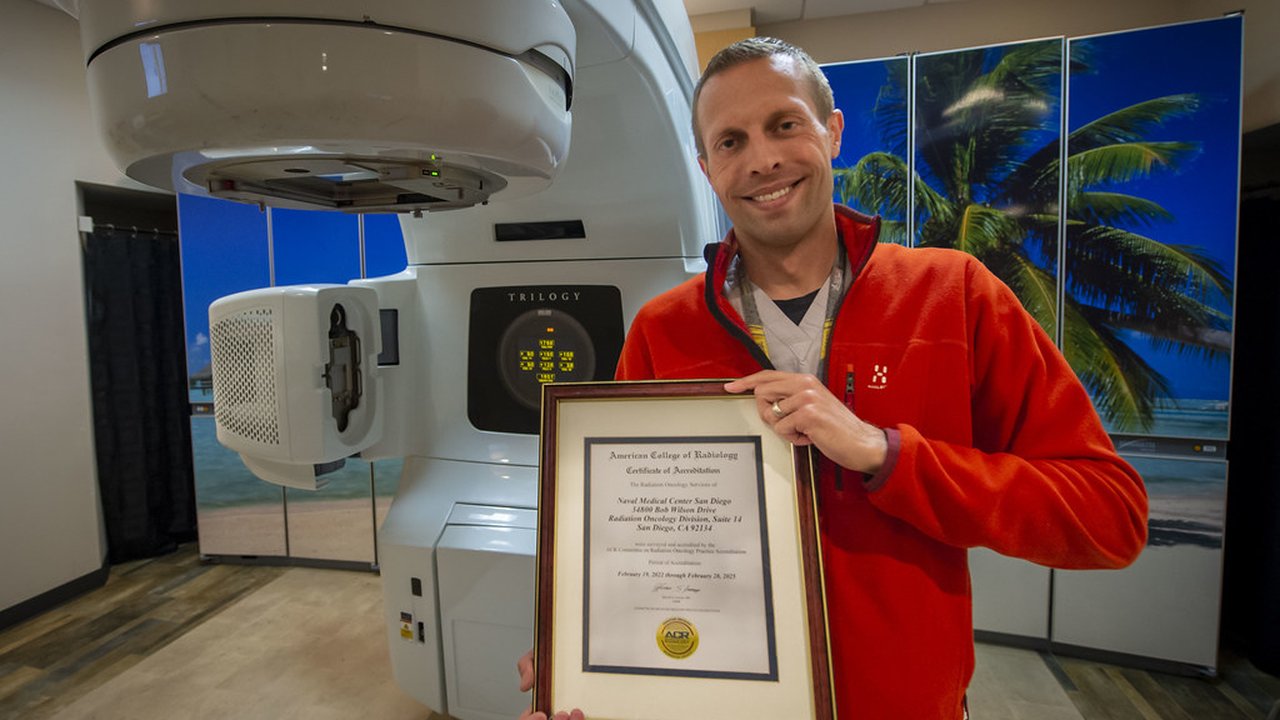
- Radiation Therapy: Such as placing a “plaque” (a radioactive device) on the eye.
- Technical Interventions: Such as laser therapy or photodynamic therapy.
- Surgery: To excise the tumor.
- Advanced Therapies: Such as immunotherapy or targeted therapy.
Living with eye melanoma and complications
The challenges associated with living with eye melanoma include the potential for vision loss, whether as a symptom of the disease itself or as a result of therapeutic interventions. There is also a risk of cancer cells migrating to other areas of the body.
FAQ
What does eye melanoma look like during an exam?
The doctor examines the external part of the eye for abnormal blood vessels and uses specialized devices, such as a funduscope or slit lamp, to look inside the eye.
Is this condition different from skin melanoma?
Yes. While both types originate from melanin cells, skin melanoma affects the skin. Some studies suggest that vitamin A supplements may reduce the risk of skin melanoma, but this does not necessarily apply to ocular cases.
Can the tumor spread outside the eye?
Yes, metastatic cancer can spread from the eye to other organs such as the bones, lungs, and liver.
When to visit a doctor?
You should book a medical appointment immediately upon the appearance of any of the aforementioned symptoms. In the event of sudden and rapid changes in vision, emergency medical care should be sought immediately.
Disclaimer: This content is for informational purposes only and is not a substitute for professional medical advice.
Related articles
- Coffee and Skin Cancer Causes: What the Research Says
- Skin Cancer Treatment Options and New Drugs
- Caffeine and Reducing the Risk of Skin Cancer
- Metastatic Melanoma: Symptoms, Diagnosis & Treatment
- More about Skin Cancer & Melanoma
Photo: NavyMedicine, PDM 1.0, via flickr.com
approved by: Medica Health team