Learning the unhoused meaning helps explain why many people struggle with sleep deprivation and poor health.
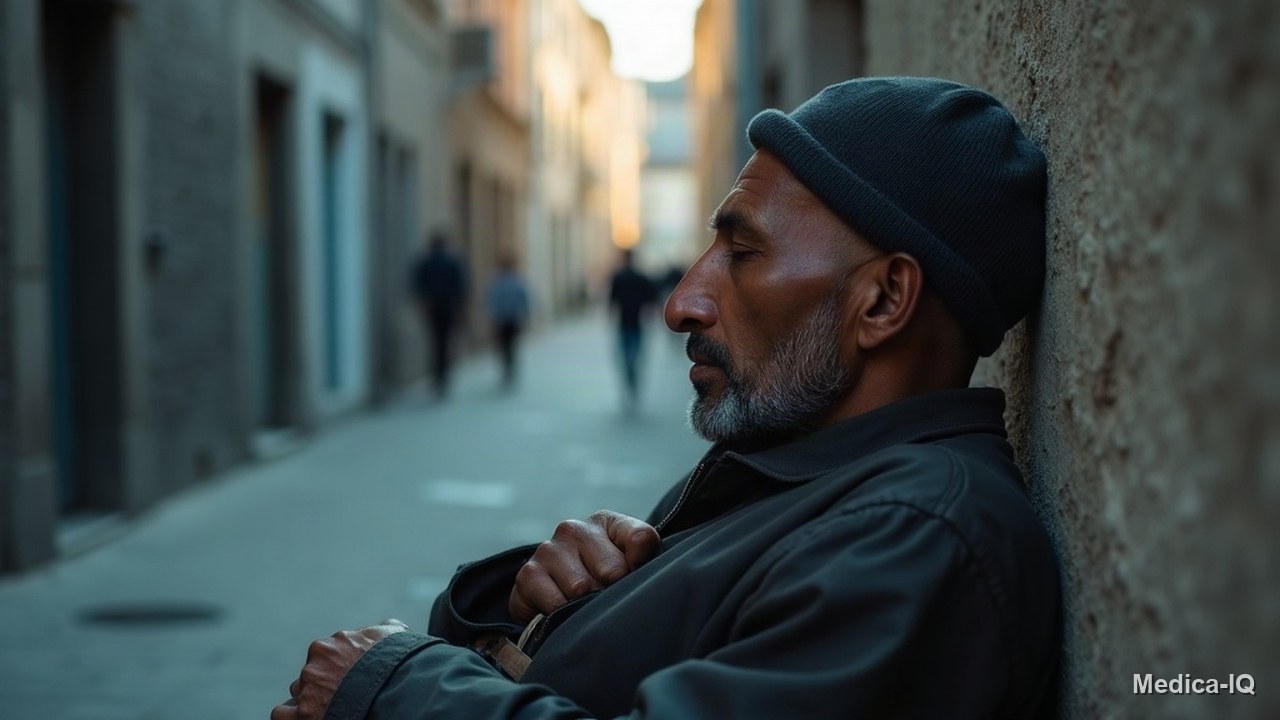
What is the Unhoused Meaning?
The unhoused meaning refers to a complex set of circumstances where a person lacks a stable, permanent, or safe place to sleep. This includes staying in locations not designed for living, such as abandoned buildings, tents, or on the streets.
Where and How Do Unhoused People Sleep?
Living situations for those without permanent homes vary widely:
- Sheltered Housing: About 60% of this population uses emergency, transitional, or sheltered housing. In New York City, families make up 70% to 80% of shelter residents, staying for an average of 1.5 years.
- Unsheltered Areas: Approximately 40% live in places unsuitable for human habitation. This group grew by 30% between 2015 and 2020.
- Public Spaces: Some seek refuge in subway stations or 24-hour drop-in centers.
Many avoid shelters due to strict rules, such as early wake-up times, or concerns regarding violence. Additionally, 48 states have laws that limit camping or sleeping on public and state-owned land.
The Cycle of Sleep Deprivation for Unhoused People
Lack of sleep creates a barrier to improving one’s life. For example, a study in Denver showed that participants averaged only 3.6 hours of sleep every 24 hours, with just 2.9 hours of uninterrupted rest. This is well below the recommended minimum of seven hours for adults.
Poor sleep can lead to:
- Employment Struggles: In a Florida study of mostly Black women, 80% identified sleep as a hurdle to finding a job.
- Workplace Issues: Exhaustion can cause memory problems, irritability, and a lack of professionalism.
- Health Complications: Unmanaged conditions, such as diabetes, can cause a person to faint or feel ill when combined with sleep loss.
Shelter environments often hinder sleep hygiene. Rigid schedules—such as a 10 p.m. “lights out” policy—can conflict with nighttime work shifts.
Long-Term Health Implications for the Unhoused or Homeless
The struggle for health is systemic. Those experiencing homelessness generally face higher rates of illness and die 12 to 27 years earlier than those with stable housing.
Even after moving into permanent supportive housing, sleep issues can persist. A Los Angeles study found that 28% of formerly unhoused residents experienced moderate to severe sleep disturbances, compared to 20% of people who had never been homeless.
Other complicating factors include:
- Healthcare Gaps: Difficulty managing prescriptions and navigating social safety nets.
- Trauma: The experience of being homeless is inherently traumatic and affects mental health.
- Demographic Disparities: Black adults are overrepresented, making up 37.3% of the homeless population despite being 13.6% of the general population.
FAQ
What does unhoused mean?
It describes people who lack a fixed, regular, and adequate nighttime residence, often sleeping in shelters or places not meant for human habitation.
Where and how do unhoused people sleep?
They may stay in emergency shelters, transitional housing, or unsheltered locations like tents, streets, and abandoned buildings.
How does homelessness affect sleep?
It often leads to severe sleep deprivation due to unsafe environments, noise, light, and strict shelter curfews, which can then make it harder to find employment.
When to See a Doctor
Seek medical attention if you or someone you know experiences:
- Frequent fainting or passing out, especially if linked to chronic conditions like diabetes.
- Severe sleep disturbances that prevent daily functioning.
- Signs of an untreated infection.
- Acute mental health crises or symptoms of trauma.
Disclaimer: This content is for informational purposes only and is not a substitute for professional medical advice, diagnosis, or treatment.
Related articles
- sleep apnea and seizures
- 9 Dangerous Effects of Sleep Deprivation on Health
- Caffeine and Sleep: How It Affects Your Rest and Quality
- Sleep Affirmations: A Guide and List for Better Rest
- More about Sleep & Sleep Disorders
Illustration: AI-generated
approved by: Medica Health team