Learn the most important sleep study facts, including how these overnight tests work, what they diagnose, and the different types available.
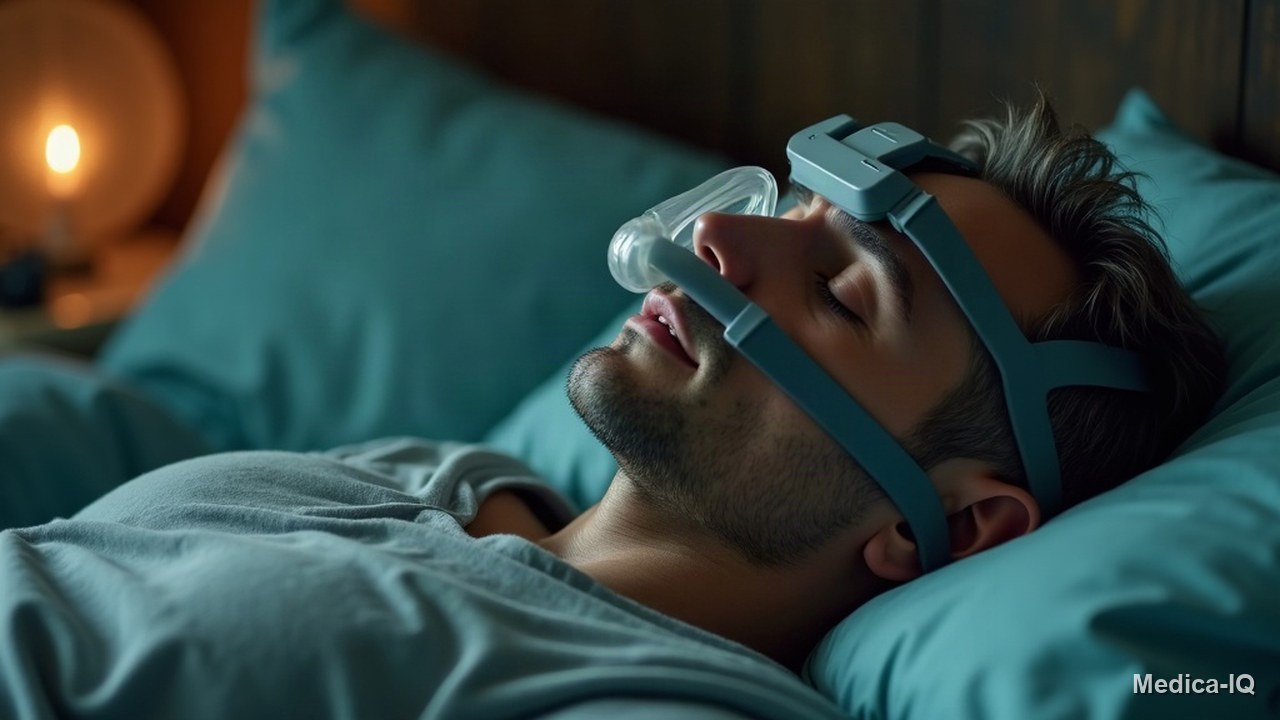
What is a Sleep Study?
A sleep study, also called polysomnography, is a non-invasive medical exam that records your body’s functions while you sleep. Because many sleep disorders cannot be identified during a standard office visit, doctors use these tests to gather evidence while a patient is unconscious.
During the process, a technologist monitors several metrics, including:
- Brain activity and sleep stages (REM and NREM) via an EEG
- Heart rate and breathing patterns
- Blood oxygen levels and eye movements
- Snoring and physical body movements
The collected data is reviewed by a physician, a process that can take up to two weeks.
Types of Sleep Studies
Depending on the symptoms, a doctor may recommend different versions of these tests.
- Polysomnography: This is a comprehensive overnight stay at a specialized clinic or hospital where a technician monitors the patient.
- Home Sleep Apnea Testing: These sleep studies at home track heart rate and breathing. While more convenient, they provide less data than clinic tests and lack technician supervision.
- Multiple Sleep Latency Test (MSLT): This measures how quickly a person falls asleep and enters REM sleep during daytime naps, often used to identify narcolepsy.
- CPAP Titration: Used specifically for sleep apnea, this test determines the exact air pressure a patient needs from a CPAP machine.
- Split-Night Study: A hybrid approach where the first half of the night is used for diagnosis and the second half for CPAP titration.
Who Needs These Tests and What Do They Diagnose?
Doctors may suggest these evaluations for people experiencing chronic fatigue, depression, difficulty concentrating, or drowsiness. Those with obesity should be screened for sleep apnea.
These tests help identify various conditions, such as:
- Sleep apnea and insomnia
- Narcolepsy and restless legs syndrome
- Periodic limb movement disorder
- Sleepwalking or REM sleep behavior disorder
Sleep Study Facts Regarding Cost and Coverage
The price of a sleep study varies significantly based on the facility and the specific test used. Generally, smaller clinics are less expensive than large hospital systems.
Coverage depends on the individual plan’s terms and conditions. Some insured patients may pay as little as $0 for home-based testing and consultations. If coverage is denied, patients can work with your doctor to file an appeal by providing documentation that the test is medically necessary.
FAQ
What is a sleep study?
It is an overnight exam that monitors brain and body functions, such as heart rate and breathing, to diagnose sleep disorders.
How much does a sleep study cost?
Costs are difficult to estimate and depend on the facility and test type; it is best to contact the clinic directly for pricing.
Can I do a sleep study at home?
Yes, home sleep apnea testing is available, though it provides less detailed information than an in-lab polysomnography.
When to See a Doctor
Consult a healthcare provider if you experience the following warning signs:
- Excessive daytime sleepiness or fatigue
- Frequent snoring or gasping during the night
- Difficulty concentrating or persistent depression
- Uncontrollable urges to move your legs
- Symptoms of a previously diagnosed sleep disorder that are not improving with treatment
Disclaimer: This content is for informational purposes only and does not provide medical advice, diagnosis, or treatment.
Related articles
- Shift Work Disorder: Symptoms, Diagnosis, and Treatment
- 18 Month Sleep Regression Signs: Causes & Solutions
- How to Use a CPAP Machine for Sleep Apnea: A Full Guide
- Bed Frame Sizes: A Complete Guide and Size Chart
- More about Sleep & Sleep Disorders
Illustration: AI-generated
approved by: Medica Health team