Explore how various moon phases might influence your nightly rest and the scientific theories behind these lunar effects.
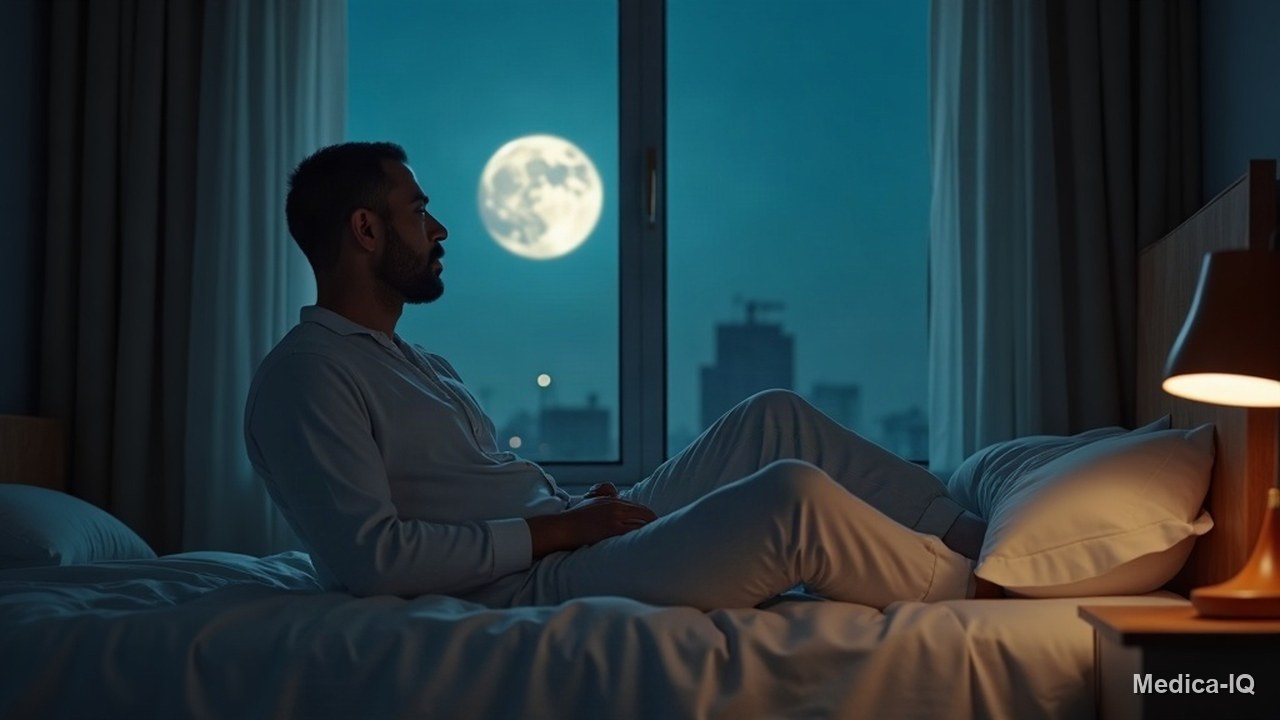
Understanding Moon Phases
The moon does not create its own light; instead, it reflects the sun. As the moon, Earth, and sun shift positions, our view of the reflected light changes, creating the illusion that the moon is transforming. This cycle takes 29.5 days to complete and consists of eight distinct stages. These include the new moon, full moon, and the waxing or waning periods in between. Because the moon orbits Earth, it rises and sets approximately 50 minutes later each day.
Can Moon Phases Affect Sleep?
While lunar cycles clearly impact animals—such as the spawning of the Great Barrier Reef or the behavior of owl monkeys—the evidence for humans is less consistent. However, several studies suggest that the full moon may be the most disruptive period.
Research findings include:
- One analysis indicated that during a full moon, people took five minutes longer to fall asleep and slept 20 minutes less. Deep sleep decreased by 30%, and REM sleep was delayed.
- Another study showed a 25-minute reduction in total sleep time and an increase in awakenings during the full moon.
- A study of college students and indigenous communities in Argentina found that participants slept less and fell asleep later in the week before a full moon, regardless of artificial light exposure.
Why the Moon Might Affect Sleep
Scientists have proposed several theories to explain why these phases affect sleep:
- Light Exposure: Some believe the increased brightness of a full moon disrupts the body’s internal clock. However, moonlight is only 7% as strong as direct sunlight, and many studies were conducted in dark or windowless rooms.
- Electromagnetism: The moon passes through Earth’s “magnetotail” during the full moon, becoming negatively charged. This may cause geomagnetic fluctuations. Similar events, like the Northern Lights, have been linked to heart rate changes and headaches.
- Gravity: Some suggest the moon’s pull on the water in the human body mimics ocean tides. Critics argue this effect is too small to be significant, measuring less than one-millionth of an atom’s size.
Lunar Influence on Mental Health and Gender
The relationship between the moon and mental health is complex. Some research suggests mood cycles in people with bipolar disorder may synchronize with lunar cycles. However, studies on anxiety and depression have found no such link.
Regarding gender, evidence is conflicting. One study found that women experienced less REM and Stage 4 sleep during a full moon, while men saw an increase in REM sleep. Other data suggests that women whose menstrual cycles began when the moon was more than half full slept better than those whose cycles began when it was less than half full.
Tips for Better Sleep
Since you cannot control the moon, focus on sleep hygiene to improve your rest:
- Maintain a consistent sleep schedule.
- Keep your bedroom dark and cool.
- Limit the use of blue light and caffeine before bed.
FAQ
Can moon phases affect sleep?
Some research suggests the full moon can reduce deep sleep and total sleep time, though other studies show inconsistent results.
Are there gender-specific lunar effects on sleep?
Evidence is mixed. Some studies indicate women may lose more REM sleep during a full moon than men, while others find no clear correlation.
What are the moon phases?
There are eight phases in a 29.5-day cycle, ranging from the new moon (invisible) to the full moon (complete disc), including waxing and waning stages.
When to See a Doctor
Consult a healthcare provider if you experience:
- Chronic insomnia that interferes with your daily functioning.
- Severe mood swings or cycles that disrupt your life.
- Persistent daytime exhaustion despite practicing good sleep hygiene.
Disclaimer: This content is for informational purposes only and is not a substitute for professional medical advice, diagnosis, or treatment.
Related articles
- Excessive Sleepiness and Workplace Accidents: Risks & Tips
- Nocturnal Panic Attack: Symptoms, Causes, and Treatment
- How to Stop Sleeping Too Much: Causes and Treatments
- How Aging Affect Sleep and Quality of Rest
- More about Sleep & Sleep Disorders
Illustration: AI-generated
approved by: Medica Health team