Stopped breathing during sleep affects the quality of life for young children, as it is linked to behavioral problems and difficulties in learning and academic achievement.
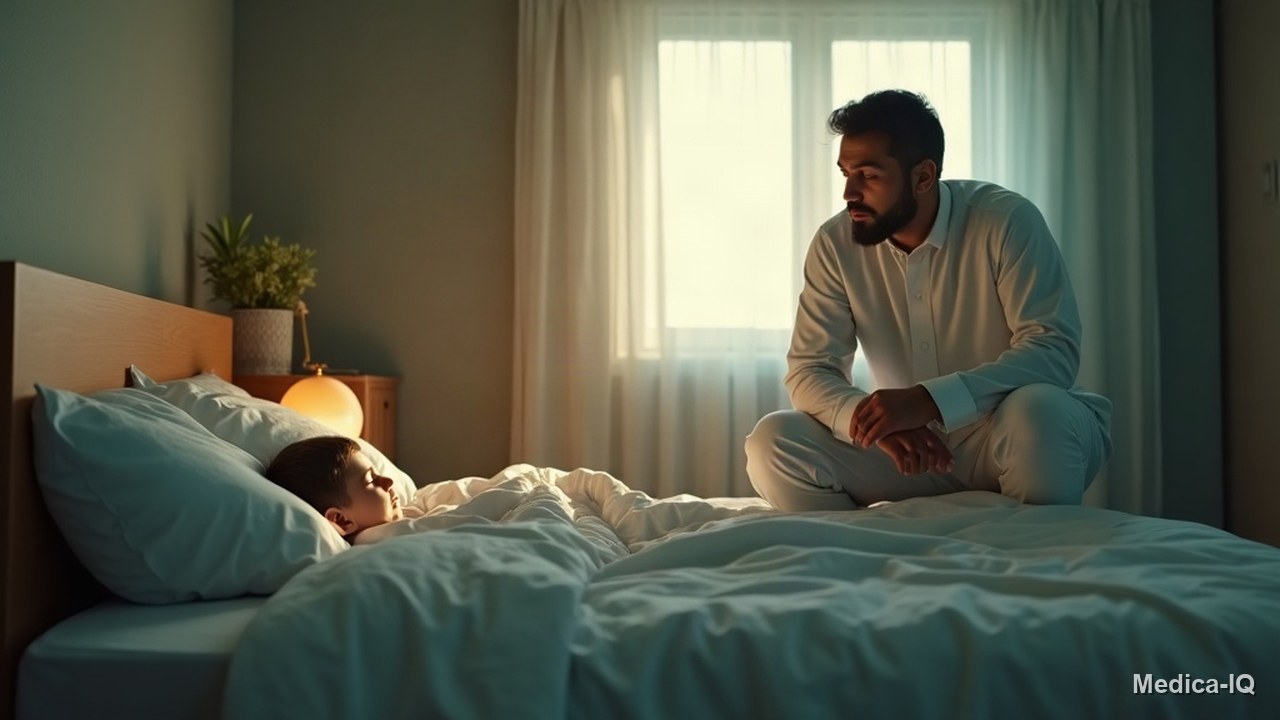
Effects of Stopped Breathing During Sleep on Child Behavior
Nightly respiratory disturbances increase the likelihood that children will face behavioral adaptation issues. A 5-year study involving 263 children aged 6 to 11 revealed that children who experience frequent episodes where breathing stops are seven times more likely to have problems related to:
- Hyperactivity and attention deficit (ADHD).
- Disruptive behaviors and communication difficulties.
- Poor social competence and self-care.
- Lower school grades.
The probability of behavioral problems increases 4 to 5 times in children who develop this condition suddenly, and up to 6 times for those who suffer from it frequently, compared to healthy children.
Groups Most Susceptible to Respiratory Arrest in Children
Certain health conditions increase the likelihood of developing respiratory disturbances, including:
- Cleft Palate: Children with a cleft in the roof of the mouth (whether accompanied by a cleft lip or not) are more susceptible; respiratory problems and snoring reached 37.5% among them.
- Pierre Robin Syndrome: Characterized by a small lower jaw, which pushes the tongue backward and causes breathing difficulties.
- Post-Surgery: Symptoms may increase after palate repair surgeries due to the narrowing of the airway.
Treatment Options for Stopped Breathing During Sleep
Approaches to managing this syndrome vary between medical and complementary solutions:
Medical and Surgical Treatments
- Continuous Positive Airway Pressure (CPAP): These devices humidify and filter the air directed into the respiratory tract.
- Tongue Devices: These prevent the tongue from falling back by pulling the jaw forward.
- Nasal Sprays: Used to open the airways and treat congestion.
- Surgical Intervention: This is the final option to open the airways, such as the removal of tonsils and adenoids in certain cases.
Complementary Procedures to Improve Breathing
- Weight Control: Reducing excess weight decreases the accumulation of fat that blocks the upper respiratory channels.
- Sleep Position: It is recommended to sleep on the side or stomach, with the head raised by a pillow 4-6 centimeters high to avoid throat obstruction.
- Sleep Regulation: Adhering to a consistent sleep and wake schedule for 7-8 hours per day.
- Throat Exercises: Strengthening throat muscles through specific exercises, such as pressing the tongue against the palate or using balloons.
- Avoiding Triggers: Quitting smoking and staying away from sedatives and alcohol, which cause the throat muscles to relax.
Frequently Asked Questions
What is stopped breathing during sleep?
It is a disorder that causes breathing difficulties or sudden pauses during the night. The most common type results from the obstruction of throat muscles and often appears as snoring.
What causes stop breathing while sleeping?
Causes vary from obesity that blocks airways, or smoking that accumulates mucus, to congenital defects such as a cleft palate, or sleeping on the back which leads to the tongue falling back.
Is stopped breathing during sleep dangerous?
Yes, especially in children, as it is linked to hyperactivity, learning problems, and emotional volatility, and may require medical intervention to avoid behavioral risks.
When to Visit a Doctor?
Consult a specialist immediately if the following signs appear:
- Frequent and loud snoring during sleep.
- Noticing a sudden pause in breathing or the child waking up gasping.
- A noticeable decline in academic achievement or the appearance of aggressive behaviors and unexplained hyperactivity.
- Presence of congenital defects in the palate or jaw.
Disclaimer: This content is for informational purposes only and does not replace a consultation with a specialist doctor to diagnose the condition and determine the appropriate treatment.
Related articles
- New Discovery on Sleep and Fat Burning Benefits
- What Is Slow-Wave Sleep? Meaning, Benefits, and Issues
- The Bidirectional Relationship Between Health and Sleep
- Sleep and Social Media: How Your Feed Affects Your Rest
- More about Sleep & Sleep Disorders
Illustration: AI-generated
approved by: Medica Health team