The kewra flower comes from a perennial plant whose blossoms and leaves offer various therapeutic advantages for the body and skin.
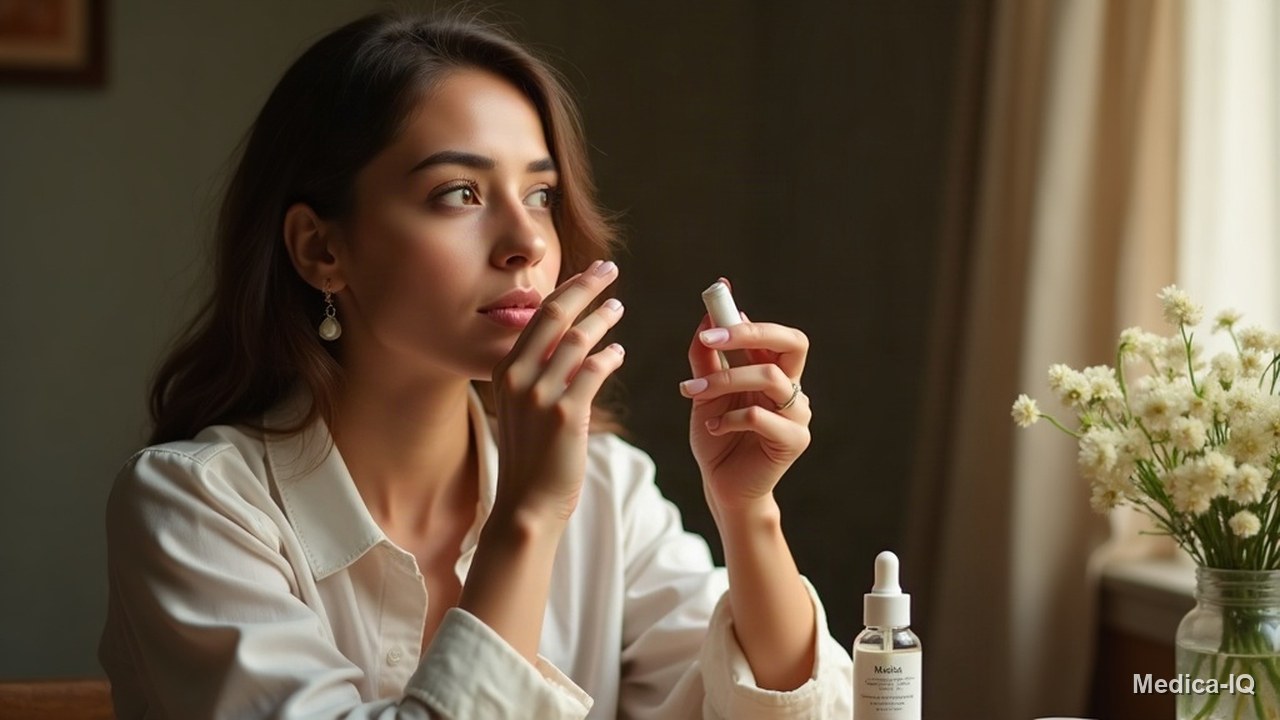
What is the Kewra Flower?
The kewra flower grows on a palm-like tree that is shorter in stature, typically reaching between 1 and 2 meters in height. It is characterized by large, sword-shaped leaves ending in thorns and fragrant blossoms that resemble pineapples. This tree is used in cooking in some parts of East Asia; kewra water is extracted from its flowers, while the leaves are used in various medicinal recipes.
Kewra Water Benefits for Hair and Skin
Extracts from this tree can be used to enhance external appearance and care for the skin and hair:
- Skin Care: Using kewra water for skin or dried leaves as a topical treatment can help with sunburns and minor burns, as the tannic acids present help cool the skin quickly.
- Dandruff Treatment: A paste made from 10 crushed dried leaves mixed with water can be massaged into the scalp for 30 minutes before washing to eliminate dandruff and nourish the hair.
- Restoring Shine: To revitalize dull hair, boil 7 chopped leaves in 1 liter of water until the water turns green, then mix it with Noni juice and use it as a shampoo 3 times a week.
- Strengthening Strands: Using kewra water hair care routines helps hydrate and nourish the hair, which reduces hair loss and increases strength.
Using the Plant for Pain Relief and General Health
The leaves of this tree have multiple therapeutic uses for easing aches and improving vital functions:
- Pain Relief: Kewra tea acts as a remedy for headaches, chest pain, earaches, and joint inflammation. It also helps relieve stomach cramps and postpartum pain when drunk twice daily.
- Nervous System Support: To strengthen the nerves, boil 3 leaves in 3 cups of water until the liquid reduces to 2 cups, then drink one cup in the morning and evening.
- Relieving Rheumatism: For kewra water joint pain relief, an ointment can be prepared by mixing 3 pieces of chopped fresh leaves with half a cup of boiled coconut oil and massaging the affected area.
- Body Aches: Mix 5 fresh leaves with 20 lemon leaves and one tablespoon of eucalyptus oil to be used for massage.
Effects on Chronic Diseases and Vital Functions
- Blood Pressure and Heart: Drinking kewra tea (boiling 3 grams of leaves in 2-3 cups of water until half has evaporated) twice daily helps lower high blood pressure and prevent coronary artery disease.
- Diabetes: The leaves can be used as a sugar substitute to sweeten drinks, and studies indicate that drinking its water may help reduce blood sugar levels.
- Digestive System and Appetite: Drinking the tea twice daily helps stimulate the appetite, and boiling the leaves for daily consumption can help treat and prevent constipation.
- Sleep and Fever: Alkaloids in the leaves help soothe the body and treat insomnia when drunk warm with a spoonful of honey. Additionally, drinking the decoction of the leaves helps lower body temperature during a fever.
- Cancer Fighting: Studies suggest that aqueous extracts of the roots and leaves have anti-proliferative effects on cancer cells; the tea can be drunk twice daily to combat toxins.
When to Visit a Doctor
Consult a specialist immediately if the following signs appear:
- A sudden and severe high fever that does not respond to reducers.
- Severe, persistent headaches or chest pains requiring urgent medical intervention.
- The appearance of severe skin ulcers or deep burns that do not heal.
- Sharp changes in blood sugar or blood pressure levels.
Frequently Asked Questions
What is kewra flower?
It is a perennial plant with a palm-like structure, featuring aromatic flowers and sword-shaped leaves. From these flowers, kewra water (also known as kewra jol) is extracted for health and beauty purposes.
How does it help treat insomnia?
It contains alkaloids that act as a natural sedative for the body, making it easier to sleep when consumed warm with honey.
Is it beneficial for people with diabetes?
Yes, it can be used as a sweetener substitute in drinks, and it is noted that drinking its water may help control blood sugar levels.
Disclaimer: This content is for informational purposes only and does not substitute for professional medical advice. Please consult a doctor before starting any herbal treatment.
Related articles
- Hibiscus Tea Hot or Cold
- Health Benefits of Green Tea and Medicinal Herbs
- Effective Herbs for Weight Gain and Appetite Support
- Health and Beauty Benefits of Green Tea for Women
- More about Medicinal Herbs
Illustration: AI-generated
approved by: Medica Health team