Explore the nutritional value and health advantages of this herbal drink, and discover the most important hibiscus tea side effects and precautions to consider.
Nutritional Value and Ingredients
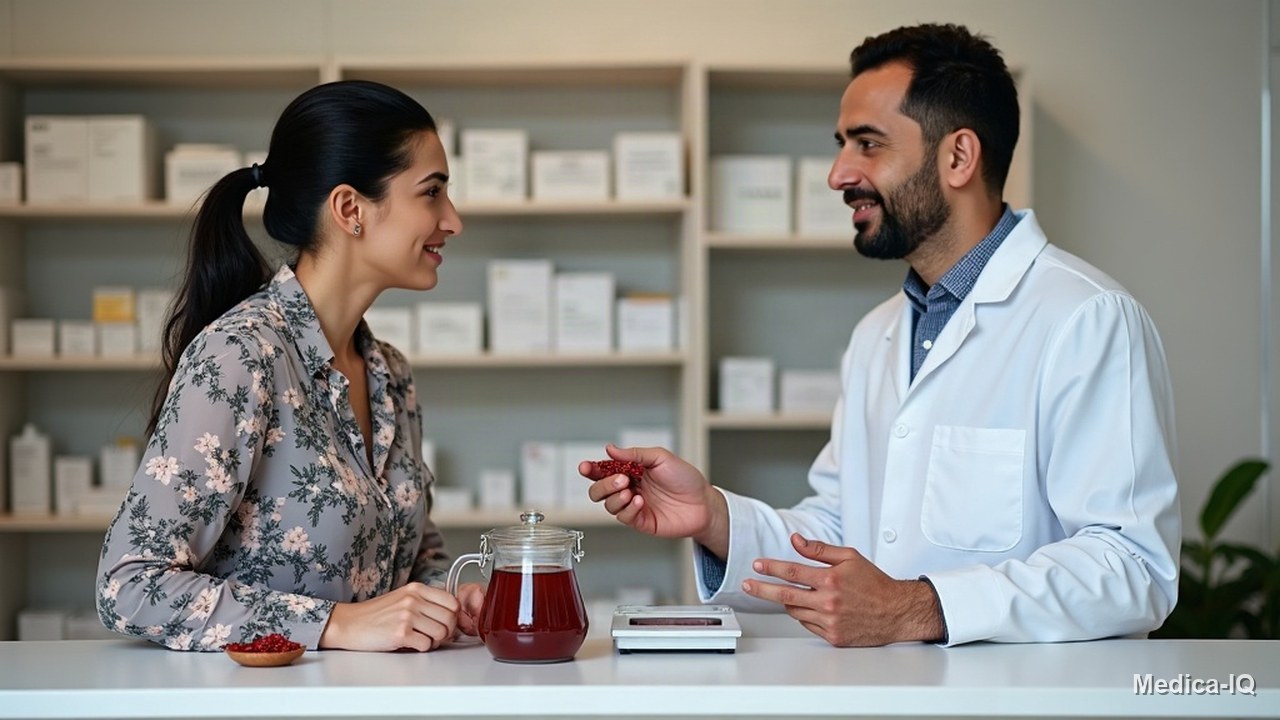
This herbal beverage is made from the dried petals of tropical hibiscus flowers and features a tart taste similar to cranberries. A small chilled cup contains 79 calories and 20 grams of carbohydrates and sugars, while remaining free of fats and proteins.
Nutrients vary depending on the part of the plant used; the flowers provide up to 17 mg of vitamin C, while the leaves contain 1,000 mg of vitamin A. The drink also contains powerful antioxidants, such as anthocyanins and polyphenols, which protect cells from damage.
Health Benefits of Hibiscus Tea
This drink offers a range of advantages for the body, including:
- Cardiovascular Health: It contributes to lowering systolic and diastolic blood pressure and reduces bad cholesterol levels, protecting against heart disease.
- Liver Function Support: It works to reduce fat accumulation in the liver and limit fatty damage, reducing the risk of liver failure.
- Sugar Regulation: It helps people with type 2 diabetes lower blood sugar levels by inhibiting certain carbohydrate-digesting enzymes.
- Immune Boost: Thanks to vitamin C and its antiviral properties, it helps prevent influenza and common colds.
- Fighting Infection: It possesses antibacterial properties that may help treat urinary tract and bronchial infections.
Hibiscus Tea Benefits for Weight Loss
The drink is used as a low-calorie alternative to sweetened juices, supporting weight loss. Some limited studies suggest that its extracts may reduce appetite and lower fat percentage and body mass index. However, these results often depend on concentrated extracts rather than standard tea, so scientific evidence still requires further confirmation.
Hibiscus Tea Side Effects and Precautions
Despite its advantages, there are several warnings regarding hibiscus tea side effects:
- Drug Interactions: It may interfere with diuretics such as hydrochlorothiazide, or diabetes and blood pressure medications, which could lead to a sharp drop in sugar or pressure. It may also reduce the effectiveness of birth control pills due to its phytoestrogen content.
- Pregnancy and Breastfeeding: It is advised to be avoided entirely by pregnant and breastfeeding women, as phytoestrogens may cause complications leading to premature birth.
- Liver Health: Consuming it in very high doses may lead to liver damage.
- Allergies: Those with a known allergy to hibiscus flowers must refrain from drinking it.
How to Make Hibiscus Tea
The beverage can be prepared using several methods:
- Quick Method: Place one and a half teaspoons of dried flowers in boiling water for 5 to 10 minutes.
- Traditional Preparation: Boil water, then add the flowers and steep for 5-15 minutes before straining.
- Cold Brew: Steep the flowers in a pitcher of water inside the refrigerator overnight.
- Additions: It can be sweetened with honey or a few drops of lemon added to balance the acidity, or mixed with cinnamon, cloves, and ginger.
FAQ
What is hibiscus tea side effects when consumed in excess?
Very high doses may cause liver damage; therefore, it is preferable not to exceed 2 to 3 cups per day.
How many cups are recommended to help with weight loss?
No precise medical amount has been determined, but there are recommendations to consume 1-3 cups a day, 30 minutes before the main meal and without sugar.
Does hibiscus tea for high blood pressure affect medications?
Yes, it may interact with blood pressure medications and diuretics, which requires careful monitoring of pressure levels under medical supervision.
When to Visit a Doctor?
Consult a doctor immediately in the following cases:
- Appearance of allergic symptoms after drinking the beverage.
- Feeling severe dizziness or a sharp drop in blood pressure or sugar.
- If you are pregnant or planning to become pregnant.
- Before starting it as a complementary treatment if you are taking chronic medications.
Disclaimer: This content is for informational purposes only and does not substitute for professional medical advice.
Related articles
- Boiled Cumin Water Benefits for Health and Weight Loss
- Health Benefits and Uses of the Kewra Flower
- Is Cinnamon during pregnancy harmful or beneficial?
- Understanding Lavender Oil Side Effects and Benefits
- More about Medicinal Herbs
Illustration: AI-generated
approved by: Medica Health team