Nocturnal lagophthalmos is a condition that prevents the eyelids from closing completely during sleep, which can sometimes be associated with sleep attacks.
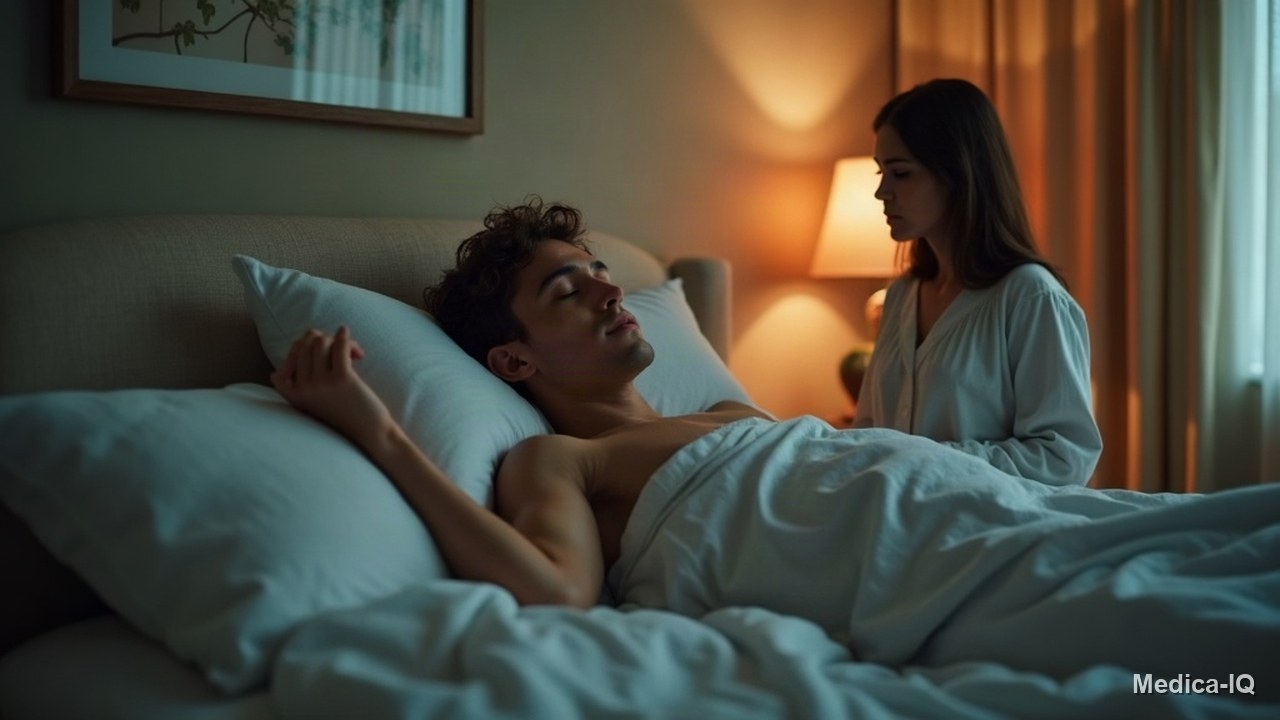
What is Nocturnal Lagophthalmos?
This condition is also known as “nocturnal rabbit eye” and is prevalent in approximately 20% of humans, including children. The problem lies in the person’s inability to close their eyelids fully, exposing the eye surface to air for long periods and depriving it of the natural lubrication that occurs when the eyelids are closed.
This disorder often goes undiagnosed because the person closes their eyes normally during the day; the condition is only discovered if another person observes them while they are sleeping.
Causes of Sleep Attacks and Contributing Factors
This condition usually arises from a dysfunction in the nerves, muscles, or skin of the face, specifically a weakness in the orbicularis oculi muscle responsible for closing the eyelid. These causes can be congenital or acquired, and the primary causes of sleep attacks and related eyelid dysfunction include:
- Neuromuscular diseases: Such as stroke, Möbius syndrome, tumors, and peripheral facial palsy.
- Injuries and surgical interventions: Accidents or the removal of a large part of the eyelid during blepharoplasty.
- Infections and inflammations: Such as leprosy, mumps, chickenpox, diphtheria, and Lyme disease.
- Other health conditions: Such as Graves’ disease or trichiasis (excessive eyelash density).
Symptoms and Narcolepsy Complications
The lack of moisture resulting from the eye remaining open leads to several signs, including:
- Eye redness, itching, and irritation.
- A feeling of a foreign body inside the eye or eye pain.
- Blurred vision and hypersensitivity to light.
- General eye fatigue and sleep disturbances.
In mild cases, the eye may recover spontaneously during the day. In severe cases, complications may develop into corneal ulcers, ulcerations, or even blindness if left untreated. To reduce this damage, some affected individuals involuntarily blink during sleep or move their eyes backward to cover more of the cornea with the eyelid. While this specific eye condition is distinct, those suffering from narcolepsy complications may experience similar sleep-wake disruptions.
Options for Narcolepsy Treatment and Eye Care
Management methods vary based on the cause and severity, including:
- Pharmacological treatments: Using lubricating drops or topical ointments to prevent nighttime dryness.
- Assistive solutions: Placing local weights or using medical adhesive tape to stimulate the closure of the upper eyelid, or wearing scleral contact lenses to protect the eye surface.
- Surgical intervention: Such as eyelid movement correction surgeries or adding surgical weights to help keep the lid closed.
- Treating the underlying cause: Addressing the primary disease that led to muscle or nerve weakness. For those whose condition is part of a broader sleep disorder, a comprehensive narcolepsy treatment plan may be necessary.
Frequently Asked Questions
What is a sleep attack?
In the context of this condition, it refers to the inability to fully close the eyelids during sleep, leaving the eye partially open.
What causes sleep attacks?
It is often due to a dysfunction in the facial muscles or nerves, such as paralysis of the orbicularis oculi muscle, and may result from injuries, previous surgeries, or diseases such as infections and strokes.
Is sleeping with open eyes harmful?
Yes, it can cause eye dryness and redness. In severe cases, it may lead to serious complications such as corneal ulcers or vision loss if not treated.
When should you visit a doctor?
You should seek medical consultation immediately if the following signs appear:
- Severe eye pain or persistent redness.
- A sudden change in visual clarity (blurriness).
- A constant feeling of a foreign body in the eye that does not go away.
- The appearance of ulcers on the eye surface.
Disclaimer: This content is for informational purposes only and does not substitute for professional medical advice.
Related articles
- Understanding Short Sleeper Syndrome Symptoms
- Athletes and Sleep: Optimizing Recovery and Performance
- Understanding Idiopathic Hypersomnia: Symptoms and Treatment
- Is Narcolepsy Dangerous for Driving? Risks & Safety
- More about Sleep & Sleep Disorders
Illustration: AI-generated
approved by: Medica Health team